Your China & Yunnan Travel Experts


 Ask a Question
Harbin, a pearl of northern China nestled in the fertile Songliao Plain and on the banks of the Songhua River, is striving with tremendous momentum to become a world-class, multi-functional tourist destination and a tourism hub in Northeast Asia. It is not only a renowned summer resort in China, but also a picturesque, unique, and culturally rich international tourist city. Tourism, as one of the pillar industries of China's economic development, plays an increasingly prominent role in Harbin's urban economic landscape, with its effects on boosting the economy, creating employment, and promoting culture and the environment becoming increasingly significant.
Harbin's tourism development strategy is clear and ambitious. Its core lies in highlighting five distinctive characteristics: World-renowned Ice and Snow City, China's Summer Resort, Hub of East-West Cultural Exchange, Northern Landscape Masterpiece, and China's Music Capital. These five pillars collectively support the alluring year-round tourism image of “Ice City, Summer Capital.” The city focuses on strengthening three core brands: Ice and Snow Tourism City, Summer Resort Paradise, and Multicultural Hub, ensuring the rapid and sustainable development of Harbin's tourism industry.
Geography and Resource Endowment
Harbin's geographical location endows it with unparalleled resource diversity. Nestled on the Songliao Plain and bordering the Songhua River, it boasts both vast, fertile farmland and dynamic, expansive waterways. Summers here are pleasantly cool, making it a renowned summer retreat; winters transform it into a snow-covered fairy-tale world, where its unique ice and snow tourism resources attract countless visitors from home and abroad each year.
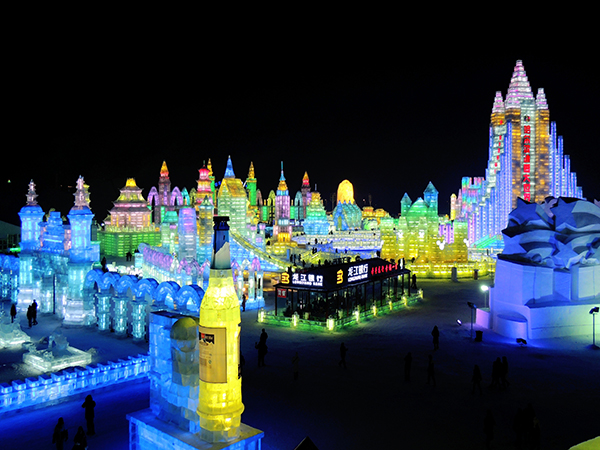
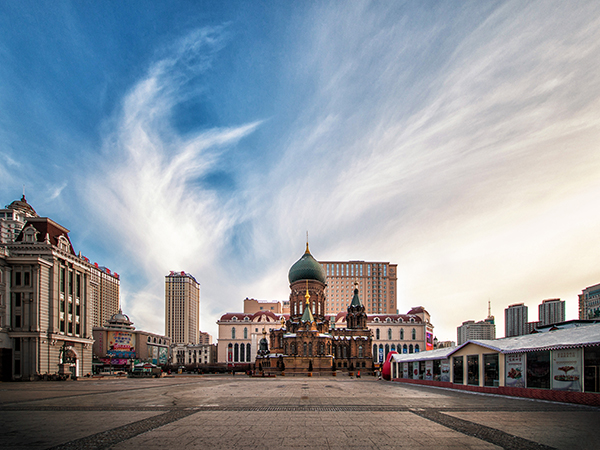
Even more precious is its profound cultural heritage. Harbin is a city where Eastern and Western styles blend seamlessly, infused with the bold and unrestrained spirit of northern ethnic groups. This fusion is not only evident in its architecture but deeply embedded in the city's very essence. From the majestic Saint Sophia Cathedral to the Russian-style Central Avenue; from the Confucian Temple, a bastion of Confucian heritage, to the Buddhist sanctuary of Jielüe Temple; from the former residence of literary icon Xiao Hong to the annual summer music extravaganza—the Harbin Summer Music Festival—all showcase its profound cultural heritage. Major events like the Ice and Snow World and the Ice Lantern Festival present this cultural creativity to the world in awe-inspiring ice sculptures, making ice and snow tourism Harbin's most distinctive calling card.
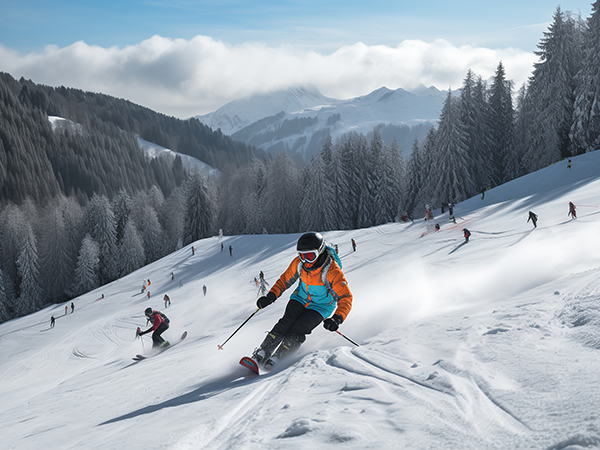
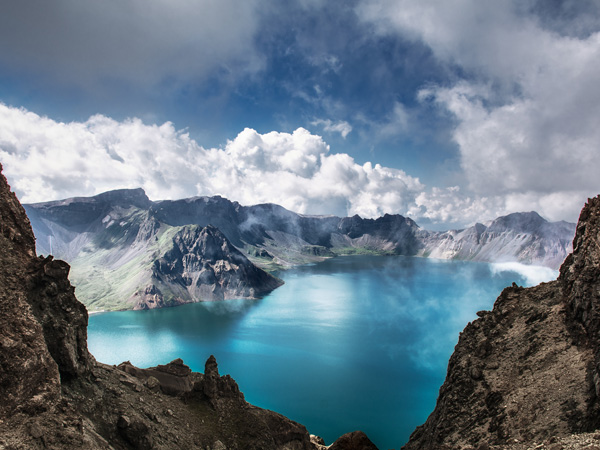
The city's tourism resources extend far beyond its urban core. Over 500 cultural and natural landmarks dot the surrounding areas, collectively forming a distinctive tourism destination network in Northern China. The Yabuli Ski Resort stands as a renowned Asian skiing destination; the Sun Island Scenic Area, embraced by emerald waters, serves as the city's ecological green lung; and vast primeval forests offer awe-inspiring encounters with nature's grandeur. Moreover, the surrounding gems seamlessly integrated into Harbin's tourism routes shine brilliantly: the volcanic dammed lake scenery of Jingpo Lake, the volcanic geological wonders of Wudalianchi, and the graceful dance of red-crowned cranes in the Zhalong Nature Reserve all add richly painted chapters to Harbin's tourism panorama.
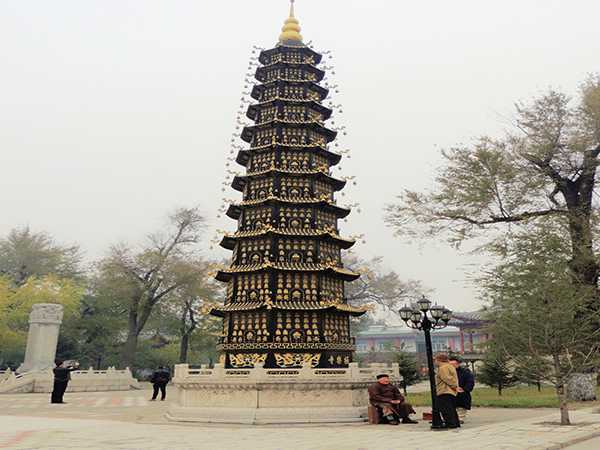
Famous Ice and Snow Tourism City
Harbin's ice and snow culture has evolved from simple scenic appreciation into a comprehensive industry integrating art, sports, entertainment, and commerce. Each winter, the Harbin International Ice and Snow Festival becomes a grand celebration for global ice and snow enthusiasts. The Ice and Snow World creates a fantastical ice kingdom with its grand scale and exquisitely designed ice sculpture complexes; while the Sun Island Snow Sculpture Festival focuses on snow carving, showcasing magnificent and intricate snow sculptures. Numerous ice lantern gardens across the city illuminate the night. Professional ski resorts like Yabuli offer comprehensive winter sports experiences for everyone from beginners to elite athletes. Ice and snow tourism not only boosts winter consumption but also significantly elevates the city's international profile.
Summer Resort Paradise
While most of China swelters in intense heat, Harbin maintains an average temperature of around 22°C, offering a cool and comfortable escape that makes it an ideal summer retreat. Visitors can enjoy the cool respite of Sun Island's emerald waters and weeping willows, the fresh air of the Forest Botanical Garden, and leisurely cruises along the Songhua River. Leveraging this climatic advantage, Harbin vigorously develops eco-tourism, wellness tourism, and leisure vacations. Simultaneously, the long-standing “Harbin Summer” concert series has evolved into a major national music event, filling the city with summer melodies. This perfectly aligns with Harbin's positioning as “China's City of Music,” creating dual attractions: an “ecological cool summer” and a “cultural musical summer.”
Cultural Diversity
Harbin's history is a unique chronicle of urban migration and cultural exchange. As a pivotal hub of the Chinese Eastern Railway, it attracted immigrants from Russia, Jewish communities, Poland, and beyond, leaving behind a rich architectural legacy and cultural imprint. Central Avenue's cobblestone streets and European-style buildings, alongside the Sino-Western hybrid residences in the Old Daowai Chinese Baroque Historic District, stand as living museums. Sites like the Jewish Historical and Cultural Museum and the Polish Residence quietly narrate these past chapters. This diversity extends to cuisine, where Russian-style Western dishes, traditional Northeastern Chinese fare, and distinctive street snacks complement each other. This cultural inclusivity imbues Harbin with an open, tolerant, romantic, and subtly exotic aura—its deepest, most enduring charm.
Looking ahead, Harbin's tourism development will transcend mere resource display, instead focusing on creating immersive, high-quality all-season, all-region travel experiences. Deepening the “Ice and Snow Plus” and “Summer Retreat Plus” models, it will integrate with culture, sports, technology, wellness, agriculture, and other sectors to develop more thematic and participatory tourism products. The smart tourism system will be further refined to enhance accessibility and convenience for international visitors. Historic districts will be preserved and revitalized, making culture tangible and experiential. Tourism resources in suburban and outlying counties will be coordinated to form premium tourism loops encircling the central city.
In essence, Harbin is showcasing itself to the world as a vibrant, welcoming international tourism metropolis—a city that embodies the allure of its “Ice City, Summer Capital” year-round charm, the cultural spirit of East-meets-West, and the magnificent panorama of northern landscapes. It is not only a fairy-tale realm of ice and snow and a cool summer haven but also a historic cultural city rich in stories, worthy of careful exploration. Driven by its robust tourism industry, Harbin is steadily advancing toward its grand vision of becoming a world-class, multifaceted travel destination. It invites global visitors to experience its unparalleled seasonal splendor year-round.

 English