Your China & Yunnan Travel Experts


 Ask a Question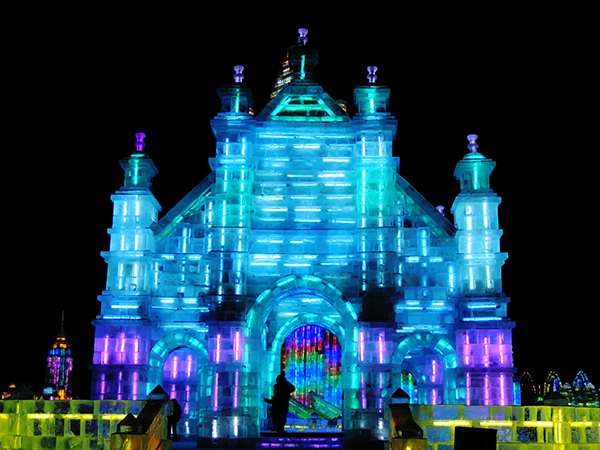
Harbin International Ice and Snow Sculpture Festival
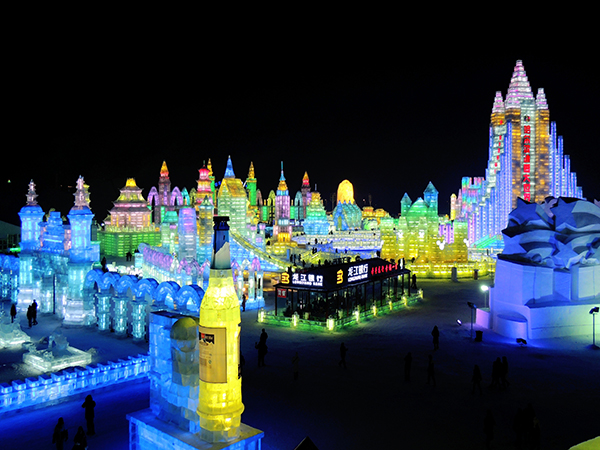
This is Harbin’s most renowned festival, typically running from January 5th to the end of February. The festival transforms the city into a magical winter wonderland, featuring massive ice and snow sculptures of various shapes and themes, dazzling ice lantern displays that light up the night, and a range of winter activities like ice sliding and snow tubing, all of which draw tourists from across the globe.
Harbin Summer Music Festival
Held annually in July, this festival is one of China’s most influential music events and a highlight for summer visitors. It encompasses a diverse lineup of activities, including classical music concerts, pop music performances, music competitions for emerging artists, and open-air shows in scenic spots, making it an ideal destination for music enthusiasts looking to combine travel with cultural enjoyment.
Harbin Beer Festival
Taking place from late July to early August, this festival celebrates Harbin’s long-standing beer culture, which dates back over a century. During the event, visitors can sample a wide variety of local and international beers, savor delicious street food at dedicated stalls, and enjoy live entertainment such as band performances and cultural shows, creating a lively and festive atmosphere for all attendees.
The Ice Rolling Festival holds at the 15th of the first month of lunar year, which is a local folk custom that has been around for a long time. On the Lantern Festival in the evening, the locals lit the candles and put them on the river to form various figures. Men and women, old and young, wallow in the frozen river. It is said that this can roll away the troubles, disaster and bring good luck and happy.
|
Month
Item
|
Jan
|
Feb
|
Mar
|
Apr
|
May
|
Jun
|
Jul
|
Aug
|
Sep
|
Oct
|
Nov
|
Dec
|
|
maximum
temperature (℃) |
-13.4
|
-8.1
|
1.13
|
12.6
|
21.6
|
26.1
|
28.3
|
26.7
|
20.2
|
12.7
|
-0.7
|
-10.1
|
|
minimum
temperature (℃) |
-26.0
|
-21.3
|
-11.6
|
-0.62
|
7.1
|
14.1
|
18.2
|
16.5
|
8.6
|
-0.2
|
-11.5
|
-20.7
|
|
Rainfall (mm)
|
8.2
|
5.6
|
10.2
|
18.0
|
40.2
|
84.6
|
143.8
|
121.1
|
58.6
|
31.3
|
10.8
|
6
|
|
Days of rainfall
|
0.25
|
0.4
|
0.7
|
0.8
|
1.4
|
3.9
|
4.8
|
3.9
|
2.1
|
1.0
|
0.6
|
0.2
|
Planning a Harbin tour requires balancing seasonal highlights, iconic attractions, and local experiences. Below is a structured guide covering pre-trip prep, recommended itineraries, accommodation, and food, tailored to different travel durations.
1. 5-Day Itinerary (Classic City Tour)
This itinerary covers Harbin’s core urban attractions, perfect for first-time visitors who want to experience the city’s winter magic or summer charm.
Day 1: Central Street → Flood Control Memorial Tower → Stalin Park → Songhua River
Arrive in Harbin and check into a hotel near Central Street for convenience. Spend the noon exploring Central Street—walk on its iconic “breadstone” pavement, admire European-style buildings (like the Former Site of Harbin Bank), and taste local treats: try borscht and beef stew at Huamei Western Restaurant, then grab a Madel ice cream (a must even in winter). In the afternoon, continue along the street to the Flood Control Memorial Tower, then stroll through Stalin Park by the Songhua River. In the evening, take the Songhua River Cableway for aerial views of the river and city lights, or join locals for ice activities (in winter) like ice sliding on the frozen river.
Day 2: Sun Island → Russian-Style Town → Harbin Ice and Snow World (Winter Only)
Start the morning at Sun Island: in winter, visit the International Snow Sculpture Art Expo to see giant, intricate snow sculptures; in summer, enjoy its lush forests and lakes as a cool retreat. Have lunch nearby, trying Northeast specialties like iron-pot stew (tieguodun). Afternoon, head to the Russian-Style Town—wander its cobblestone streets, visit Russian-style cottages, and buy souvenirs like matryoshka dolls. Evening (winter only), go to Harbin Ice and Snow World: explore massive ice castles, ride the 500-meter super ice slide, and watch the ice lanterns light up at night for a fairy-tale experience.
Day 3: St. Sophia Cathedral → Laodaowai Chinese Baroque Block
Morning begins at St. Sophia Cathedral, Harbin’s most famous landmark. Admire its Byzantine-style dome (especially beautiful after snow at dusk), then go inside the “City Architectural Art Museum” to learn about Harbin’s history. Noon, eat near the cathedral—try Harbin red sausage (available at specialty shops like Dongfanghong) and dalieba (Russian-style rye bread). Afternoon, visit Laodaowai Chinese Baroque Historical and Cultural Block, where you’ll find unique buildings blending Chinese and Baroque styles. Wander old streets, stop at Laodinfeng Pastry Shop for traditional snacks, and take photos of the colorful, vintage facades.
Day 4: Northeast Tiger Forest Park → Long Tower
Morning, take a taxi or bus to Northeast Tiger Forest Park, the world’s largest man-made Northeast tiger breeding base. Ride the sightseeing bus to see tigers up close (you can even buy meat to feed them safely). Have lunch nearby with farmhouse dishes like braised pork ribs. Afternoon, head to Long Tower—Harbin’s tallest building. Take the elevator to the observation deck for panoramic city views, and try the “cloud walk” glass platform for a thrilling experience.
Day 5: Gogol Street → Departure
Spend the morning on Gogol Street, a quieter alternative to Central Street with more local vibe. Browse its boutique shops, visit small cafes, and buy last-minute souvenirs (like Russian chocolate or local honey). Have a casual lunch at a street-side eatery, then pack your bags, check out of the hotel, and head to the airport or train station to end your trip.

 English