Your China & Yunnan Travel Experts


 Ask a Question
Mount Wuyi is a stunning UNESCO World Heritage site famous for its "Red Mountains and Jade Waters." In 2026, the main scenic area offers free entry, though you must purchase a sightseeing bus ticket (approx. 70–95 RMB) and a bamboo rafting ticket (190 RMB) separately.
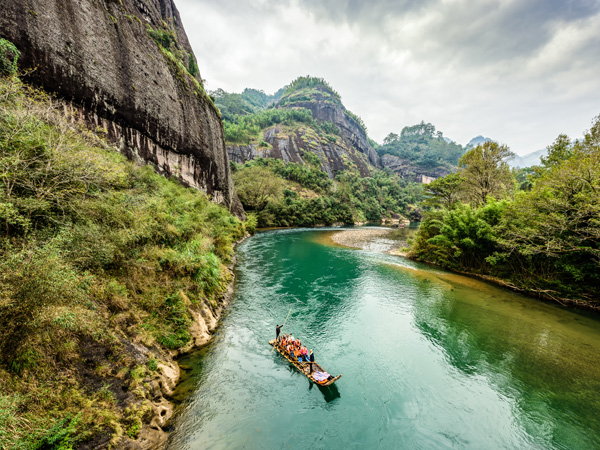
This guide highlights ten essential experiences—from drifting down the Nine-Bend River and climbing the iconic Tianyou Peak to exploring the "Rock Bone" tea trails. Whether you are seeking spiritual peace at Baiyun Temple or the sensory thrill of the Impression Dahongpao show, Wuyishan promises a perfect blend of adventure and ancient tea culture.
Location: Nine-Bend River Rafting Pier (Star Village)
Tickets: Approx. 190 RMB (includes shuttle)
Best Time: 08:30 - 10:00 AM (for the best light and mist)
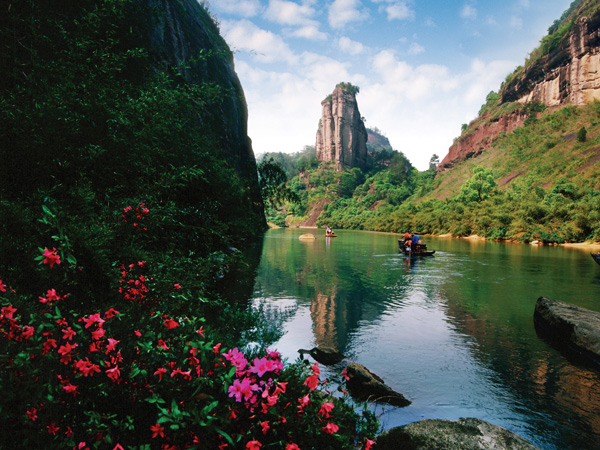
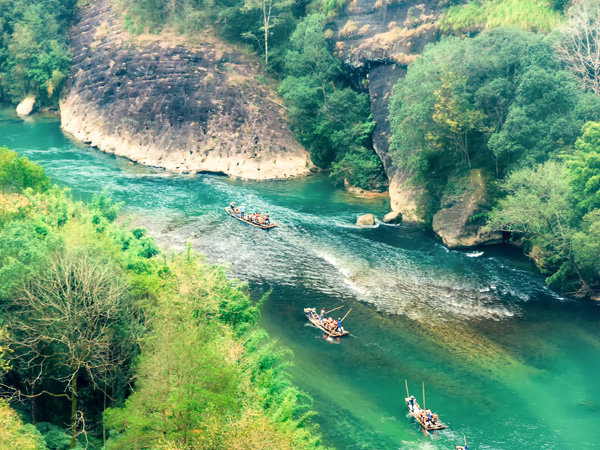
This is the quintessential Wuyishan experience and often the highlight for every traveler. You will board a traditional bamboo raft, lashed together in a centuries-old design, and glide down the crystalline waters of the Jiuqu (Nine-Bend) River. As the professional punters navigate the gentle rapids with long bamboo poles, you sit in comfortable bamboo armchairs, feeling the cool water brush against the raft. The 9.5-kilometer journey takes you past thirty-six majestic peaks and ninety-nine cliffs. Keep your eyes peeled for the "hanging coffins"—mysterious wooden structures perched in high cliff caves dating back over 3,000 years. The rhythmic sound of the water and the shifting perspectives of the "Danxia" landforms create a cinematic experience where the mountains seem to dance around you. It is the perfect blend of historical mystery and natural serenity.
Location: Central Scenic Area
Tickets: Free (Sightseeing bus required)
Best Time: 07:00 AM (to beat the crowds and the heat)
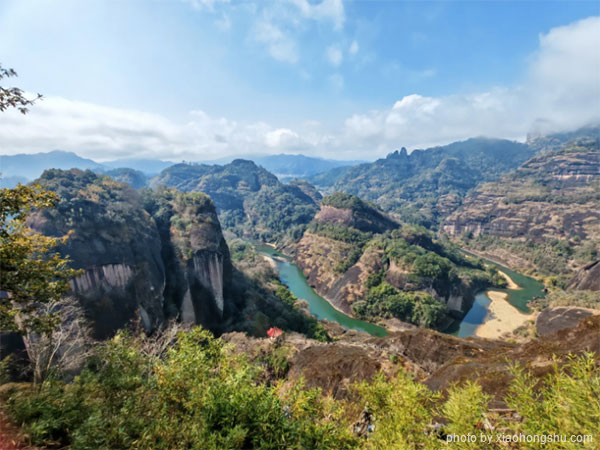
Commonly referred to as the "First Sight of Wuyishan," Tianyou Peak is a monolithic rock that rises sharply above the river. The ascent involves climbing over 800 stone steps carved directly into the spine of the mountain. While the climb can be physically demanding, the path is wide and safe, offering increasingly spectacular views with every step. Upon reaching the summit, you are rewarded with a breathtaking panoramic view of the Nine-Bend River making a dramatic "U-turn" around the verdant valley below. On misty mornings or after a light rain, the peak literally "floats" above a sea of clouds, making you feel like you are walking in the heavens—hence the name "Tianyou" (Roaming in Heaven). The observation deck at the top is the absolute best spot for photography, capturing the true essence of Wuyishan’s jagged, green-clad beauty.
Location: Between Dahongpao and Shuilian Cave
Tickets: Free
Best Time: April to June (when the tea fragrance is most potent)
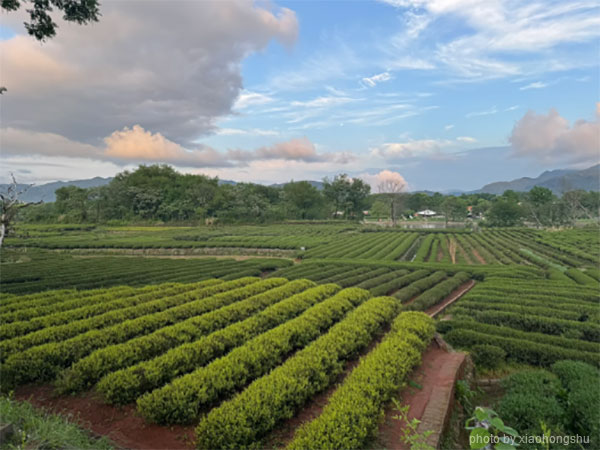
This 4-kilometer hiking trail is widely considered the most beautiful walking route in the entire park. It winds through a deep, shaded valley that serves as the "Grand Cru" region for Wuyishan’s famous Rock Tea. Here, you will see the legendary "Mother Dahongpao" tea trees growing out of a steep rock face. The trail is named for the unique "Rock Rhyme" (Yan Yun) and the floral scents that permeate the air. As you walk, you are flanked by ancient stone inscriptions, small trickling waterfalls, and lush tea gardens tucked into every available crevice. The microclimate here—moist, cool, and protected from direct sun—is what gives the tea its world-renowned mineral quality. It is a sensory journey that allows you to breathe in the history of the Silk Road’s tea trade while enjoying a peaceful, easy hike away from the main tourist hubs.
Location: Tea Expo Park Rotating Theater
Tickets: Starts from 218 RMB
Best Time: 8:00 PM (First show)
Created by the legendary director Zhang Yimou, this is the world’s only large-scale landscape show featuring a 360-degree rotating auditorium. As a spectator, you sit in a massive circular theater that slowly turns, revealing different "stages" set against the actual mountains and river. The performance utilizes state-of-the-art lighting and hundreds of actors to tell the epic story of Wuyishan’s tea culture, from ancient legends to the modern-day tea ceremony. The scale is monumental, with lights illuminating the distant peaks of Great King and Jade Maiden. The show is not just a visual feast; it is an emotional exploration of the "Slow Life" philosophy. At one point, actors even serve hot tea to the audience, creating a communal moment of reflection. It is an unmissable evening activity that transforms the natural landscape into a dazzling, high-tech dreamscape.
Location: Southern Scenic Area
Tickets: Free
Best Time: 12:00 PM (when sunlight shines directly into the crevice)
A Thread of Sky, or Yi Xian Tian, is one of nature’s most fascinating architectural feats. It consists of a massive rock that has been split by a deep, narrow fissure over 170 meters long. At its narrowest point, the gap is only about 30 centimeters wide, forcing visitors to suck in their breath and shuffle sideways through the cool, dark cavern. Looking up, the towering cliffs nearly meet, leaving only a tiny sliver of blue sky visible above, resembling a single thread of light. The cave is home to a rare species of white bats, which can sometimes be seen nesting high above. The experience is a thrilling test of agility and a unique way to feel the immense scale of the Danxia landforms. Emerging from the narrow, dark passage into the bright, lush forest on the other side provides a wonderful sense of relief and wonder.
Location: Far Northern edge of the Scenic Area
Tickets: Free
Best Time: 05:30 AM (for sunrise and the "sea of clouds")
For those who value tranquility and spiritual connection, Baiyun Temple is a "must-visit" hidden gem located outside the main high-traffic zones. Perched precariously on the side of a cliff, this ancient Buddhist temple offers a front-row seat to the most spectacular sunrises in Fujian. As the sun climbs over the horizon, the valley below fills with a thick, white "sea of clouds" that rolls like waves against the mountain peaks. The Nine-Bend River occasionally peeks through the mist, creating a landscape that looks like a traditional Chinese ink wash painting. The temple itself is a place of deep peace, where the smell of incense mingles with the fresh mountain air. It is a favorite spot for serious photographers and those looking to meditate in silence while watching the world wake up in a glow of gold and crimson.
Location: Near Wuyuan Palace, base of Dawang Peak
Tickets: Free
Best Time: Late afternoon (for golden hour photography)
Located at the foot of the imposing Great King Peak and facing the Nine-Bend River, Zhizhi Temple is a Taoist nunnery with a history spanning over 1,700 years. Often overlooked by tour groups, it remains one of the most serene and aesthetically pleasing corners of Wuyishan. The architecture is a classic example of southern Chinese mountain style, featuring white-washed walls, dark timber frames, and elegantly curved eaves. The courtyard is filled with ancient trees and the sound of the nearby river. It was once a place of retreat for famous scholars and poets who came to study and write in solitude. Today, you can sit in the quiet courtyard or by the riverside gate, watching the bamboo rafts float past in the distance. It is an ideal spot for "slow travel," allowing you to absorb the spiritual energy and historical depth of the region.
Location: Southern Scenic Area
Tickets: Free
Best Time: 09:00 - 11:00 AM
Roaring Tiger Rock is a massive, craggy peak famous for the eerie, tiger-like sound created when the wind whistles through its various caves and crevices. The climb here is famous for the "Hero’s Slope," a staircase carved into a nearly vertical rock face that requires a steady hand on the iron railings. Once you reach the mid-way point, you encounter the Tiancheng Temple, an open-air sanctuary built directly under a massive overhanging rock. The highlight here is a giant, 10-meter-tall statue of Avalokitesvara (Guanyin) carved into the cliffside, gazing serenely over the valley. The contrast between the rugged, intimidating climb and the peaceful, compassionate expression of the statue is profound. From the top, you get a unique side-profile view of the famous Jade Maiden Peak, making it a fantastic location for hikers who enjoy a bit of an adrenaline rush paired with cultural discovery.
Location: Heart of the Scenic Area, near Dahongpao
Tickets: Free
Best Time: 11:30 AM (to observe or join the vegetarian lunch)
As the largest and most influential temple in Wuyishan, Tianxin Yongle Zen Temple is the true heart of the "Zen and Tea" philosophy. Nestled in a natural basin surrounded by "lotus-petal" peaks, the temple is grand and golden-roofed. Historically, this temple played a crucial role in the development of Dahongpao tea; legend has it that a Ming Dynasty scholar, cured of illness by the monks' tea, wrapped the tea bushes in red robes as a sign of gratitude. Today, it remains a vibrant center for Buddhist practice. Visitors can walk through the grand halls, listen to the rhythmic wooden fish and chanting, and explore the extensive tea rooms where monks still process tea using traditional methods. The atmosphere is one of dignified reverence, offering a deep look into how religious practice and agricultural tradition have become inseparable in Wuyishan’s history.
Location: Across the Chongyang Stream from the park
Tickets: Free
Best Time: 7:00 PM onwards (for the night market and tea tasting)
While the mountains provide the scenery, Sangu Resort provides the flavor and life of Wuyishan. This is the main base for travelers, located just across the river from the scenic area. As the sun sets, the streets come alive with the aroma of local street food and the sound of tea being poured in thousands of specialized shops. You can walk along the "Song Dynasty Street" or the riverside promenade to see the peaks illuminated in the distance. Be sure to try local specialties like spicy rice noodles, smoked goose, and "tea-oil" stir-fries. The real charm, however, lies in the "tea-sitting" culture. Almost every shop owner will invite you in for a free tasting of their latest harvest. It is a place to socialize, learn about the intricacies of tea roasting, and experience the warm, hospitable "slow life" that the local residents have perfected over generations.
 5 Days Xiamen and Mt. Wuyishan Tour Attractions: Mt. Wuyishan, Gulang Islet, South Putuo Temple, Hulishan Fort |

 English