Your China & Yunnan Travel Experts


 Ask a Question
Fuzhou, the capital of Fujian Province in southeastern China, is a coastal city famed for its lush greenery, historic architecture, hot springs, and tranquil lifestyle. With its maritime subtropical monsoon climate, Fuzhou experiences four distinct seasons that influence the best times to visit the city. While it’s a year-round destination, the most favorable time to visit is during the cooler months, from October to December. This period provides pleasant weather, fewer crowds, and opportunities to explore the city's natural and cultural attractions comfortably.
This guide breaks down Fuzhou's climate, seasonal travel tips, and highlights to help you plan the best time for your visit.
Fuzhou has a maritime subtropical monsoon climate, which means that the city experiences:
Warm, humid conditions throughout the year
A long frost-free period (about 326 days annually)
Abundant rainfall, with distinct rainy and typhoon seasons
Annual Climate Overview
Average Annual Temperature: 16–20°C (61–68°F)
Coldest Months: January & February (6–10°C or 43–50°F on average)
Hottest Months: July & August (24–29°C or 75–84°F on average, with midday temperatures exceeding 36°C or 97°F)
Annual Rainfall: 900–2100 mm (35–83 inches)
Annual Sunshine Hours: 1700–1980 hours
Typhoon Season: July to September (with at least two direct landfalls in some years)
While Fuzhou’s winters are mild compared to northern China, the summer season is often marked by high humidity and typhoons.
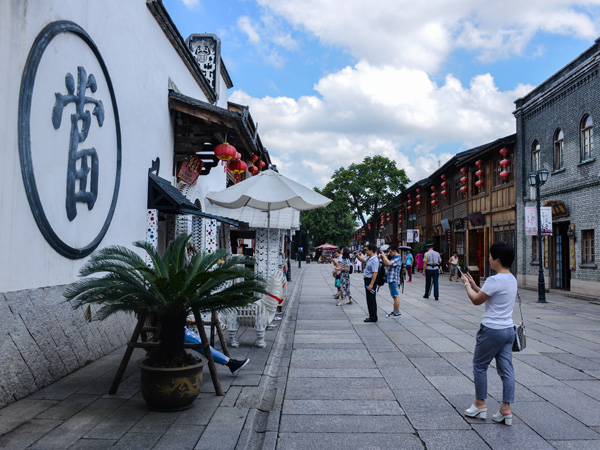
The period from October to December is widely considered the best time to visit Fuzhou.
Weather Advantages
Temperatures: Daytime temperatures range from 18°C to 26°C (64°F to 79°F), which is comfortable for outdoor exploration.
Lower Humidity: The humidity decreases, making it more pleasant for sightseeing.
Clear Skies & Reduced Rainfall: With the typhoon season ending, the skies clear up, and rainfall decreases significantly.
Crisp Air: The air becomes fresh and invigorating, perfect for exploring the city’s parks, mountains, and lakes.
During this time, outdoor activities such as hiking and sightseeing become particularly enjoyable. Plus, the city's greenery remains intact, with banyan trees and parks still lush and beautiful.
Recommended Attractions During Autumn and Early Winter
Gushan (Gushan Mountain): A famous mountain that offers panoramic views of the city and is also a site of Buddhist culture. It’s a fantastic spot for hiking and nature walks.
West Lake Park: A peaceful lakeside park with pavilions, gardens, and classic Chinese landscaping, ideal for photography and leisurely strolls.
Sanfang Qixiang (Three Lanes and Seven Alleys): A historical district featuring well-preserved Ming and Qing Dynasty architecture. It's an excellent place to explore ancient streets and enjoy traditional Chinese culture.
Autumn provides the most balanced combination of weather, sunshine, and comfort, making it the ideal time for visitors who want to explore the city’s attractions without extreme heat or crowds.
Spring in Fuzhou is a time when the city bursts into vibrant colors, thanks to the blooming flowers and lush greenery. However, this season can be a bit rainy, particularly in March and April.
Climate Characteristics
Average Temperature: 15–25°C (59–77°F)
Humidity: Moderate to high
Rain: Frequent light drizzles or misty rain
Spring is ideal for those who enjoy cool weather but don’t mind a little rain. Fuzhou’s parks and gardens become particularly vibrant during this season.
Why Visit in Spring?
Fresh Air and Blooming Flowers: The city is covered in blossoms, and the air feels fresh and rejuvenating.
Fewer Extreme Heat Conditions: Spring offers moderate temperatures, making it easier to explore the outdoors without the oppressive heat of summer.
Cultural Exploration: Spring is the perfect time to visit cultural sites like Sanfang Qixiang, where the traditional architecture adds to the nostalgic atmosphere, especially on misty days.
If you don’t mind the occasional rain, spring offers a peaceful, picturesque experience in Fuzhou.
Summer in Fuzhou is characterized by intense heat, humidity, and frequent rainstorms, especially during the typhoon season from July to September.
Climate Characteristics
Average Temperature: 27–29°C (81–84°F), but highs can exceed 35°C (95°F)
Humidity: Very high
Rainfall: Frequent thunderstorms, especially in June and July
Typhoon Season: Typhoons can impact the region from July to September
Summer is not the most comfortable time to visit Fuzhou, particularly for outdoor sightseeing. The intense heat and humidity can make midday activities unpleasant.
Travel Tips for Summer
Plan outdoor sightseeing for the early morning or evening to avoid the midday heat.
Stay hydrated and use sun protection.
Monitor typhoon forecasts as they can disrupt travel plans.
Seek shade and water during the hottest parts of the day.
For nature lovers, Yongtai Qingyunshan Scenic Area offers cool mountain air, waterfalls, and valleys that are much cooler than the city center, making it a good summer escape.
Autumn is arguably the best time to visit Fuzhou, especially in October and November when the weather becomes ideal for sightseeing.
Climate Characteristics
Average Temperature: 21°C (70°F)
Humidity: Low to moderate
Rainfall: Lower than the summer months, but September can still see some residual typhoon influence.
Gushan: A scenic mountain known for its hiking trails and Buddhist culture. Autumn provides the best weather for enjoying the views and hiking.
West Lake Park: A tranquil park that is perfect for enjoying sunny autumn days.
Autumn offers the best conditions for outdoor activities, with cool temperatures and less rain, making it an excellent time for photography and sightseeing.
Winter in Fuzhou is mild compared to northern China, but it can still feel damp due to the city’s humidity.
Climate Characteristics
Average Temperature: 10–15°C (50–59°F)
Cold Waves: Occasional cold spells from the north
Snow: Extremely rare, though coastal winds can bring some chill.
Why Visit in Winter?
Fewer Tourists: Winter is off-season, so you can enjoy a quieter, more peaceful visit with fewer crowds.
Lower Hotel Prices: Accommodation rates tend to be more affordable during the winter months.
Comfortable Daytime Walking: The mild temperatures make it ideal for walking through historical districts like Sanfang Qixiang and enjoying peaceful cultural experiences.
Winter is a great choice for budget-conscious travelers who want to avoid the crowds of peak seasons.
|
Month
Item
|
Jan
|
Feb
|
Mar
|
Apr
|
May
|
Jun
|
Jul
|
Aug
|
Sep
|
Oct
|
Nov
|
Dec
|
|
Average temperature(℃)
|
|
|
|
|
|
|
|
|
|
|
|
|
|
maximum
temperature (℃) |
15
|
15
|
19
|
23
|
27
|
30
|
34
|
33
|
30
|
26
|
22
|
18
|
|
minimum
temperature (℃) |
8
|
8
|
11
|
15
|
19
|
23
|
25
|
25
|
23
|
19
|
15
|
10
|
|
Rainfall (mm)
|
50
|
82
|
130
|
148
|
201
|
210
|
113
|
165
|
145
|
46
|
37
|
32
|
Final Recommendation
Best Overall: October to December, for comfortable weather, clear skies, and ideal conditions for sightseeing.
Best for Spring Scenery: March to May, when the city blooms and the weather is mild.
Best for Water & Mountain Escapes: June, before the peak summer heat sets in.
Best for Budget & Fewer Crowds: January to February (excluding Chinese New Year).
Though Fuzhou is a year-round destination, the fall and early winter months remain the most pleasant time for an unforgettable experience. With thoughtful planning, you can enjoy this beautiful coastal city throughout the year.

 English