Your China & Yunnan Travel Experts


 Ask a Question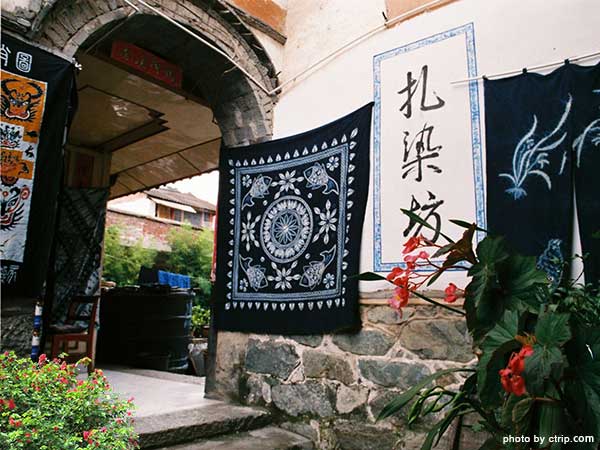
A. Traditional Handicrafts & Artworks:
Bai Tie-Dye (扎染, Zhāran): This is Dali's most iconic craft. Using traditional indigo dye and intricate tying, stitching, and clamping techniques, Bai artisans create stunning blue-and-white fabrics featuring motifs of flowers, butterflies, and auspicious symbols. What to buy: Beyond large tablecloths and wall hangings, look for modern, wearable items like scarves, shawls, shirts, dresses, and tote bags made with tie-dye. Smaller items like coin purses, notebook covers, and tea cozies make excellent lightweight gifts.
Jianchuan Woodcarving (剑川木雕): Renowned for its breathtaking depth and detail, this craftsmanship was traditionally used for architectural elements like doors, windows, and screens in temples and homes. What to buy: Today, you can find exquisite smaller carvings perfect for travelers. Seek out intricate wall plaques depicting the Three Pagodas or local folklore, elegant jewelry boxes, decorative combs, and small figurines. The quality varies greatly, so look for fine detail and smooth, unblemished wood.
Dali Marble (大理石): Famous for its natural, landscape-like veins resembling Chinese ink paintings. Historically used for the "scholar's four jewels." What to buy: While large items are beautiful but impractical, opt for smaller, polished pieces. Popular choices include marble pendants or bracelets, elegant business card holders, sleek coasters, and small decorative plates or slices displayed on stands.
Silver Jewelry: The Bai people have a long tradition of silver craftsmanship, often with motifs inspired by nature (butterflies, flowers, birds). What to buy: Look for earrings, bracelets, pendants, and hairpins in shops inside the ancient city. For more traditional and heavier pieces, visit the shops in villages like Xizhou.
B. Local Flavors & Delicacies:
Rushan (乳扇) and Rubing (乳饼): These are the quintessential Dali dairy products. Rushan is a fan-shaped, dried milk skin often grilled and rolled with sweet fillings. Rubing is a firm, salty goat or cow milk cheese, perfect for pan-frying. What to buy: Vacuum-packed Rushan for travel. Sample Rubing fresh at the market if you have kitchen access.
Xiaguan Tuo Tea (下关沱茶): A compressed tea shaped like a small bowl, known for its robust, earthy flavor that improves with age. It doesn't go stale easily and has a unique aroma. What to buy: A single tuo makes a great gift. For personal use, consider a small, broken piece. Reputable tea shops will let you sample.
Dali Snow Pears (大理雪梨): Grown near Erhai Lake, these pears are known for their crisp, sweet, and juicy white flesh. What to buy: Best enjoyed fresh in season (autumn). You can also find them preserved or made into pear paste, which is easier to transport.
Local Coffee & Yi Coffee Beans: Yunnan is a major coffee-growing region. Around Dali, you can find locally roasted beans, especially from the nearby Yi minority areas. What to buy: Freshly roasted whole beans from a specialty café in Dali Old Town for a unique taste of Yunnan's highlands.
C. Emerging & Modern Finds:
Batik with Contemporary Designs: While tie-dye is traditional, some young designers are merging Bai techniques with modern patterns and a wider color palette, creating unique fashion and home décor.
Handmade Pottery: Inspired by local forms and glazes, small studios create beautiful, functional ceramics like tea sets, cups, and vases.
Ethnic Fabric & Embroidery: Besides tie-dye, look for hand-woven textiles with geometric patterns and intricate embroidered items like small pouches, patches, or framed artwork.
Zhoucheng Town (周城): This is the undisputed heart of Bai tie-dye. Forget just buying a finished product; here, you can witness the entire process. The villagers here almost everyone has its own special dye cloth workshops, tourists might as well go and see. Visiting a family-run workshop is a must. You can see the tying, the vast indigo vats, and the fabric drying in the sun. Buying Tip: Purchasing directly from a workshop guarantees authenticity and supports the artisans. Prices are very reasonable, and you can often see the craftspeople at work. When buying batiks, price can be appropriately barging, the price of batik is 20 Yuan. For a large, complex piece, expect to pay more, but simple scarves start around this price.
Dali Ancient City (大理古城): This is your one-stop shop for variety and convenience. Huguo Road (Foreigner's Street) is the must visit place for tourists, there has concentration of various fabrics, crafts, and Yunnan-Tibet ethnic minority local specialty, and going to numerous stores tourists often have unexpected harvest. It's vibrant and crowded. For a more curated experience, venture onto the smaller side streets (like Fuxing Road and alleys branching off the main avenues). Here, you'll find better quality woodcarvings, marble items, silver jewelry, and specialty tea shops. This is also the best place for modern interpretations of crafts and local designer goods.
Xizhou Town (喜洲镇): A quieter, more authentic alternative to Dali Old Town. Famous for its well-preserved Bai courtyard mansions, the shopping here feels less touristy. You'll find excellent local snacks (try the Xizhou baba, a savory or sweet flatbread), high-quality tie-dye from local families, and more traditional, substantial silverwork.
Local Markets: For the adventurous, visit the Shangcheng Market in Xiaguan or the morning market in Dali Old Town (near the North Gate). This is where locals shop for fresh Rubing, Rushan, produce, dried mushrooms, and household goods. It's an immersive cultural experience and the place to find the freshest local foods at local prices.
Bargaining: Expected in markets, smaller shops, and workshops. Do so politely and with a smile. A starting point is often 20-30% below the asking price. Fixed prices are common in established, larger stores.
Quality Check: For tie-dye, check that the color is even and the pattern clear. For woodcarvings, inspect for fine details and smooth finish. For silver, ask if it's pure silver (足银) or sterling (925).
Packaging & Transport: Most shops can provide sturdy packaging and even shipping services for fragile or large items like woodcarvings. For food items, vacuum-sealing is common.
Support Local: Whenever possible, buy directly from workshops (like in Zhoucheng) or small, owner-operated stores. This ensures your money directly supports the artisans and their traditions.

 English