Your China & Yunnan Travel Experts

 Ask a Question
Tibet, often referred to as the "Roof of the World," is a premier destination for high-altitude trekking and spiritual discovery. In 2026, Tibet continues to captivate adventurers with its combination of sacred Himalayan peaks, turquoise holy lakes, and ancient Tibetan Buddhist monasteries. While foreign travelers must still visit via organized tours with a licensed agency and a Tibet Travel Permit, the infrastructure for trekking has become more accessible than ever. From the ultimate pilgrimage around Mount Kailash to the hidden alpine valleys of the Everest region, Tibet offers a profound sense of solitude and grandeur. This guide explores the top 10 hiking trails in Tibet for 2026, detailing routes that blend physical challenge with deep cultural immersion.
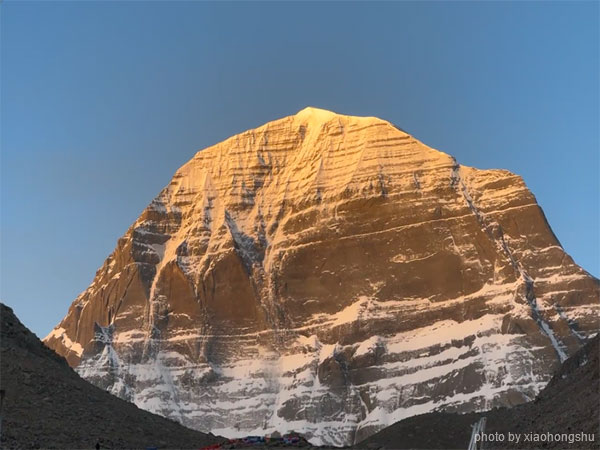
Route: Darchen (大金) → Lha-chu Valley → Drirapuk Monastery (止热寺) → Dolma La Pass (卓玛拉山口) → Zutulpuk Monastery (尊珠寺) → Darchen Return.
Mount Kailash is revered by four religions. The "Kora" (circumambulation) is a test of faith and endurance, with an average elevation of over 4,700m. The highlight is crossing the Dolma La Pass (5,630m), the highest point of the trek. Along the way, you will encounter prostrating pilgrims and stay in basic teahouses. The best time to visit is during the Saga Dawa Festival when the energy of the mountain is at its peak.
Route: Ganden Monastery (甘丹寺) → Yama Do → Shug La Pass → Tsotup-chu Valley → Chitu La Pass → Herder’s Camp → Samye Monastery (桑耶寺).
This route connects two of Tibet’s most important religious sites. It traverses beautiful wilderness, crossing two high passes over 5,000m. Hikers will pass through lush meadows used by Tibetan nomads (Drokpas) and eventually descend into the barren, sandy valley of the Brahmaputra River to reach Samye, the first Buddhist monastery in Tibet.
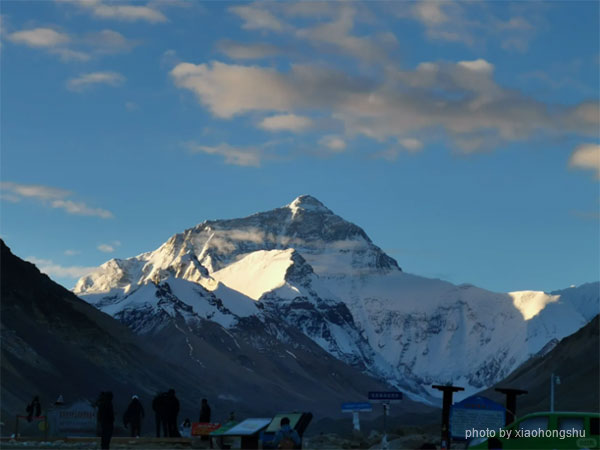
Route: Old Tingri (老定日) → Lungchang Village → Lamna La Pass → Zommug → Rongbuk Monastery (绒布寺) → Everest Base Camp (珠峰大本营).
While many tourists drive to EBC, trekking from Old Tingri allows for true acclimatization and a deeper connection to the landscape. The trail offers a panoramic "Himalayan Wall" view. Reaching Rongbuk Monastery, the highest monastery in the world, provides the most iconic sunset view of Everest’s North Face.
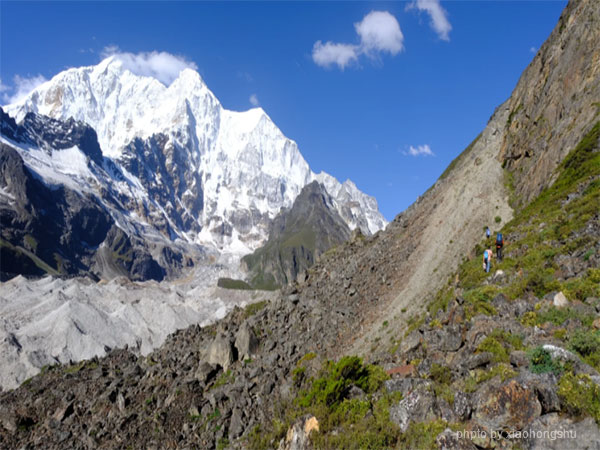
Route: Qutang Village → Shao La Pass → Gama Valley (嘎玛沟) → Pethang Ringmo → Everest East Face Base Camp (Kangshung Face) → Langma La Pass → Lunzho.
Hidden on the eastern side of Everest, Gama Valley is a biodiversity hotspot. Unlike the arid northern plateau, this valley is lush with vegetation and glacial meltwater. It offers a rare view of the Kangshung Face of Everest. This is a remote camping trek requiring full logistical support.
.jpg)
Route: Tsurphu Monastery (楚布寺) → Leten → Lasar La Pass → Bartso → Yangpachen Monastery → Yangpachen Hot Springs (羊八井温泉).
This trek follows the migration paths of Tibetan herders. Starting at the seat of the Karmapa (Tsurphu), the trail climbs through alpine valleys. The highlight is the descent into the Yangpachen Valley, where hikers can soak in natural geothermal hot springs to soothe their muscles after the trek.
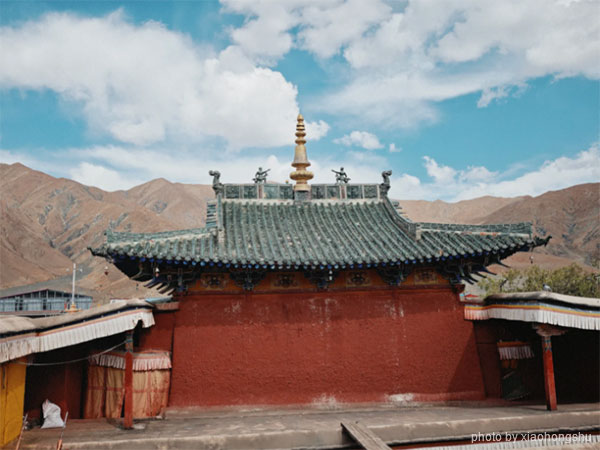
Route: Shalu Monastery (夏鲁寺) → Upper Lhunpo Village → Ngor Monastery → Nartang Monastery (纳塘寺).
This is one of the shortest and lowest-altitude treks in Tibet, making it perfect for those wanting to experience trekking without extreme exertion. It follows an ancient path between two historic monasteries near Shigatse. The landscape is characterized by rolling hills and small farming villages.
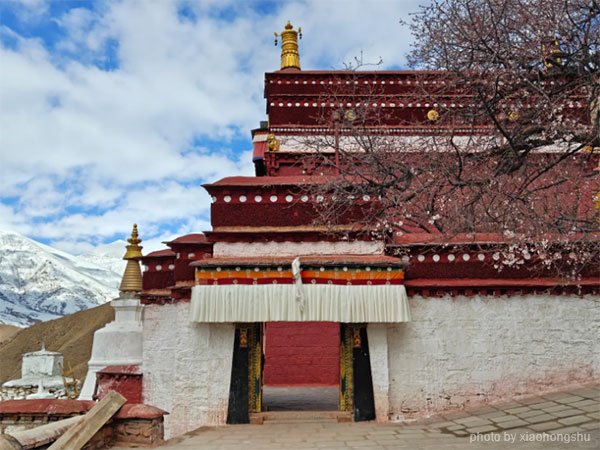
Route: Pabonka Hermitage (帕崩岗) → Tashi Chöling → Dodê Valley → Sera Utse → Sera Monastery (色拉寺).
Ideal for the first few days in Lhasa, this hike stays around 3,800m–4,200m. It visits several ancient hermitages perched on the hillsides. The view of the Potala Palace in the distance and the golden roofs of the city below is spectacular. It concludes at Sera Monastery, where you can watch the famous monks' debating.
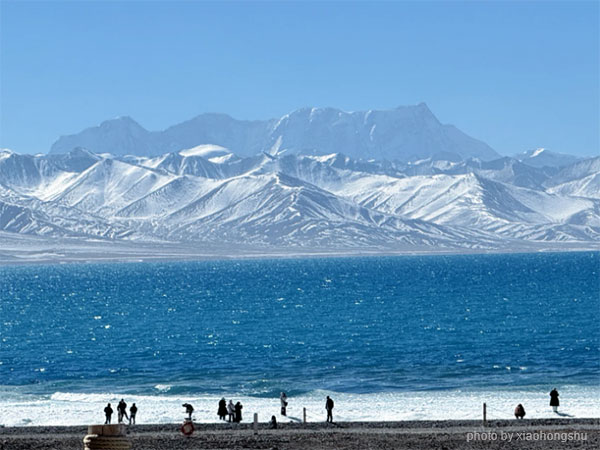
Route: Tashi Dor Peninsula (扎西半岛) → Lakeside Path → Nomadic Meadows → Meditation Caves → Tashi Dor Return.
While a full circuit of Nam-tso takes over a week, a 2-day trek around the Tashi Dor Peninsula and the northern shores offers the best scenery. Walking along the shoreline at 4,718m is breathtaking—both literally and figuratively. The contrast between the blue water and the white peaks is a photographer's dream.
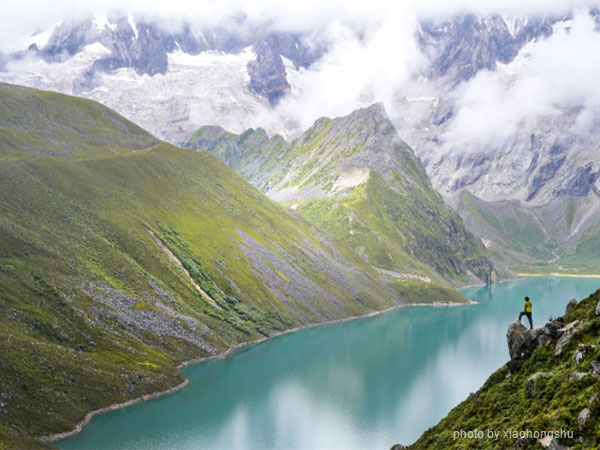
Route: Seku Village → Zhepu Lake → Kula Kangri Base Camp → Blue Lake (Puma Yumco area) → Shannan Plateau.
Located in the Shannan (Lhoka) region near the Bhutan border, this trek is gaining popularity in 2026. It features the majestic Kula Kangri (7,538m) and several sapphire-colored glacial lakes. The terrain is less crowded than the Everest or Kailash regions, offering a peaceful mountain experience.
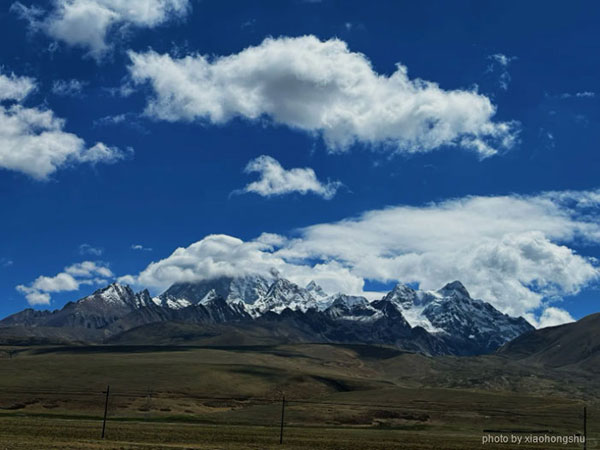
Route: Yadong Town (亚东县) → Xiasima → Alpine Forest Trails → Border Viewpoints → Pagri Grassland.
Yadong is a lush green valley wedged between Sikkim (India) and Bhutan. Due to its lower elevation and moist air, it feels like a different world compared to the dry Tibetan plateau. The trail passes through rhododendron forests and along rushing rivers. Note: As a border area, special permits are strictly required.
1.Permits: All foreign hikers must have a Tibet Travel Permit. Certain routes (Kailash, EBC, Yadong) require additional Aliens' Travel Permits or Military Permits.
2.Acclimatization: Spend at least 3 days in Lhasa (3,650m) before starting any trek above 4,500m to prevent Acute Mountain Sickness (AMS).
3.Sustainability: Follow "Leave No Trace" principles. Tibet’s ecosystem is fragile and high-altitude waste decomposes very slowly.
4.Best Season: May to June and September to October are ideal. July and August are warmer but mark the rainy season, which may obscure mountain views.
From $ 2498
From $ 1599

From on request

 English