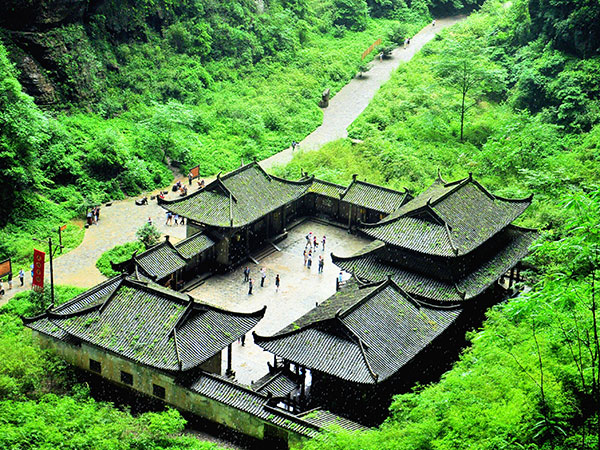
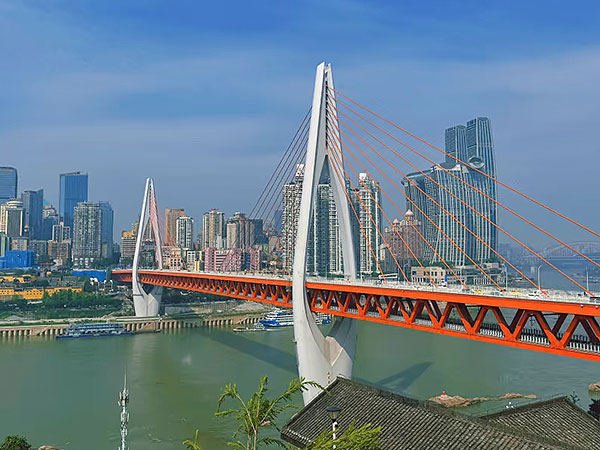
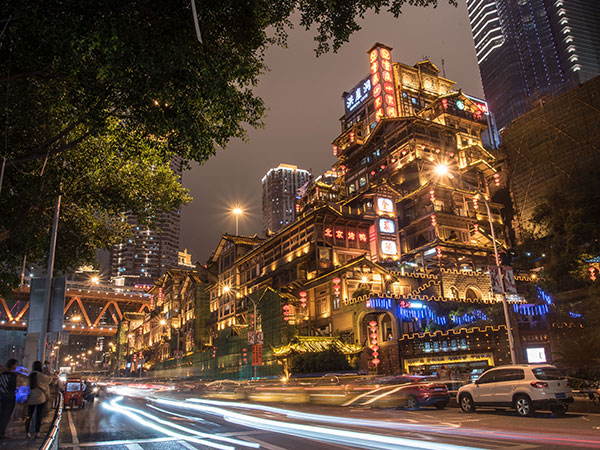
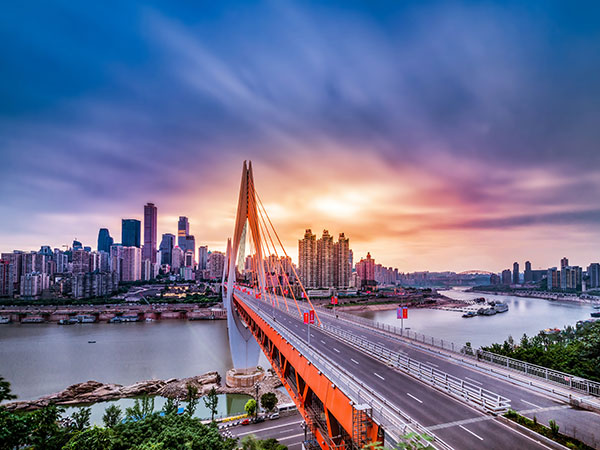
Chongqing is located at the south part of Sichuan Basin. There are mountains surrounding the city, but the traffic here is not blocked by these mountains. As one of China's four direct-controlled municipalities, it is a pivotal transportation hub in Southwest China. Far from being obstructed by its surrounding mountains, Chongqing boasts a dynamic and multi-layered transport network. A sophisticated system of aviation, high-speed rail, highways, waterways, and unique urban transit forms a comprehensive and efficient web, connecting the city to the world and allowing its residents and visitors to navigate its unique terrain with remarkable ease. Chongqing has flights to Beijing, Shanghai, Guangzhou, Xian and other big cities in China, and it also has flights to Nagoya, Bangkok, Seoul, etc.. Now air, railway, highway, waterway form a convenient transportation net in Chongqing.
External Transport: Getting to Chongqing
1. By Air: Chongqing Jiangbei International Airport (CKG)
There are 3 civil airports in Chongqing: Chongqing Jiangbei International Airport, Chongqing Wangzhou Wuqiao Aiport and Chongqing Qianjiang Zhoubai Airport. Usually, tourists come to Chongqing always land on Jiangbei International Airport. Jiangbei International Airport located approximately 23 kilometers northeast of the city center (Jiefangbei CBD), Jiangbei Airport is a modern facility with three operational terminals (T1, T2, T3). It is the main airport for all domestic and international tourist travel.
Flight Network:
- Domestic Flights: Direct connections to all major Chinese cities, including very frequent flights to Beijing, Shanghai, Guangzhou, Shenzhen, Xi'an, Hangzhou, Nanjing, Kunming, Lhasa, and Urumqi.
- International Flights: Regular services to key international destinations across Asia and beyond, such as Seoul, Tokyo, Bangkok, Singapore, Kuala Lumpur, Dubai, London, Helsinki, Paris, Rome, Sydney, Melbourne, and major cities in North America.
Airport Transfer:
- Metro Line 3 & Line 10: The most efficient and recommended way to reach the city. Line 10 connects Terminals T2 and T3 directly to the city's rail transit network, with journeys to the city center (e.g., Jiangbeizui, Hongqihegou) taking 40-60 minutes for ¥6-10.
- Airport Shuttle Buses: Multiple lines operate from the airport to major hubs like Jiefangbei, Chongqing North Railway Station, Shapingba, and Caiyuanba. Fares are typically ¥15-20.
- Taxi: A taxi to Jiefangbei or Yuzhong Peninsula costs ¥60-80 and takes 40-60 minutes, depending on traffic.
- Ride-hailing: Apps like Didi Chuxing are extremely reliable and offer various vehicle classes.
2. By High-Speed Rail (The Recommended Overland Choice)
Chongqing has five truck railways including Chengyu Railway, Chuanqian Railway, XiangYu railway, chongqing yuhuai railway, Suiyu railway. Another Daiwang Railway is from Chongqing to Sanxia Reservoir. There are three railways stations in Chongqing: Chongqing Railway Station, North Railway Station and South Railway Station.
Chongqing West Railway Station (重庆西站):
- Function: A massive, modern station primarily serving high-speed rail (G/D-series trains) on routes to the west, north, and south.
Key HSR Routes & Travel Times:
- From Chengdu East: 1 - 1.5 hours (Chengdu-Chongqing High-Speed Railway).
- From Guiyang North: 2 - 2.5 hours.
- From Xi'an North: 5 - 5.5 hours.
- From Beijing West: 10 - 12 hours (overnight or day services).
- From Shanghai Hongqiao: 11 - 12 hours.
Transfer: Connected to the city metro via Lines 5 and Circle Line.
Chongqing North Railway Station (重庆北站):
- Function: A major dual-purpose station, with its North Square handling high-speed rail and South Square serving conventional trains (K, T, Z series). It is more centrally located than West Station.
- Key Routes: HSR services to Chengdu, Wuhan, Nanjing, Shanghai, and Zhengzhou. It is the main station for trains to the Three Gorges area (Wanzhou).
- Transfer: Served by Metro Lines 3, 4, 10, and the Loop Line, offering superb connectivity.
Chongqing Railway Station (菜园坝站): An older station mainly for slower, conventional trains, located at the foot of the Yuzhong peninsula.
3. By Long-Distance Bus
There are special-line long-distance buses from Chongqing to its counties, and to Sichuan, Hunan, Guizhou Provinces.
Chongqing Bus Station: bus to Chengdu, Luzhou, Neijiang, Hejiang, Leshan, Guangan, Dazu, Rongxian, Hezhou, Wangzhou, Zhongxian, Kaixian, Fubao, Qianjiang, Nanchuan, etc..
It is next to Chongqing Railway Station
- Major Bus Stations: Key terminals include Chongqing Bus Station (next to Caiyuanba Railway Station), Chongqing West Bus Station (linked to the rail station), Chenjiapeng Bus Station, and Sigongli Bus Station.
- Key Routes: Buses connect to all counties within Chongqing Municipality and to cities across Sichuan (Chengdu, Luzhou), Guizhou (Guiyang, Zunyi), Hunan (Zhangjiajie, Changsha), and Hubei.
- Highway Network: Major expressways like the Shanghai-Chengdu (G42), Chongqing-Kunming (G85), and Baotou-Maoming (G65) radiate from the city.
4. By Waterway: The Classic Yangtze River Journey
There are passenger ships from Chongqing to harbor cities along the middle and lower reaches of Yangtze River.
- Cruise Ships: Multi-day luxury cruise ships operate between Chongqing and Yichang (for the Three Gorges Dam), with some continuing to Wuhan and Shanghai. These are primarily for tourism.
- Fast Boats: Faster passenger hydrofoils used to run to Fuling and Wanzhou, but services have been drastically reduced in recent years. The main passenger wharf is at Chaotianmen.
Urban Transport: Getting Around Chongqing
1. Metro & Light Rail (The Backbone of Urban Transit)
Chongqing's Rail Transit (CRT) system is an engineering marvel, with lines traversing mountains, crossing mighty rivers on dedicated bridges, and passing through urban centers. As of 2024, over 10 lines are in operation, covering all urban districts, major railway stations, the airport, and key attractions.
Key Lines for Tourists:
- Line 1: Runs from Chaotianmen to Shapingba, passing through Jiefangbei, Ciqikou Old Town, and Three Gorges Museum.
- Line 2: The iconic monorail section between Liziba and Jiaochangkou offers a thrilling ride through urban canyons and famously passes directly through a residential building at Liziba Station. It connects Jiefangbei to Dadukou.
- Line 3: Connects Jiangbei Airport, Chongqing North Station, Niujiaotuo (CBD), Eling, and Chongqing Railway Station.
- Line 6: A vital north-south line crossing the Yangtze and Jialing Rivers, serving Grand Theater, Science & Technology Museum, and Beibei District.
Fare: Ranges from ¥2-10 based on distance. Use single-journey tickets, a Chongqing Transportation Card, or scan QR codes via Alipay/WeChat.
2. Public Buses
Complementing the rail network, buses reach areas the metro cannot. Fares are typically ¥2 for air-conditioned buses. Given the city's hilly terrain, bicycles are exceedingly rare for daily transport.
3. Taxis & Ride-Hailing
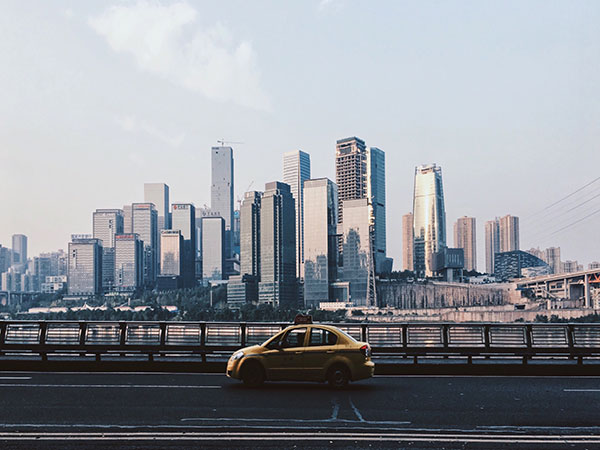
- Taxis: Two main types: the common yellow cars (Chevrolet/Citroen) and more premium white/blue sedans.
- Daytime Fare: Flag fall ¥10 for the first 3 kilometers, then ¥2.0/km.
- Night Fare (23:00-06:00): Flag fall ¥11, then ¥2.3/km.
- Ride-hailing: Didi Chuxing is ubiquitous and highly recommended for its convenience and clear pricing, especially for navigating complex addresses.
4. Unique Mountain City Transport
Yangtze River Cableway (长江索道): Now primarily a tourist attraction, it offers breathtaking panoramic views of the city. A one-way ride costs ¥20 (tourist fare), and it connects the Yuzhong and Nan'an districts.
Escalators & Elevators: The city features public elevators and long escalators that function as vertical public transport, such as the Hongyadong Elevator and the Two-Riverises Sightseeing Escalator (皇冠大扶梯).
Practical Travel Tips
Best for Arrival: For domestic travel, high-speed rail to Chongqing West or North Station is ideal. For international travel, fly into Jiangbei Airport and take Metro Line 10 into the city.
City Exploration: Purchase a 72-hour metro tourist pass for unlimited rides. Use the metro as your primary mode to avoid notorious traffic jams. Use taxis/Didi for final-mile connections or late-night travel.
Navigating Hills: Wear comfortable walking shoes. Be prepared for stairs and slopes even when using public transport.
Must-Do Experience: Take a ride on Metro Line 2 for the monorail experience and the Yangtze River Cableway at dusk for spectacular cityscapes.


 Ask a Question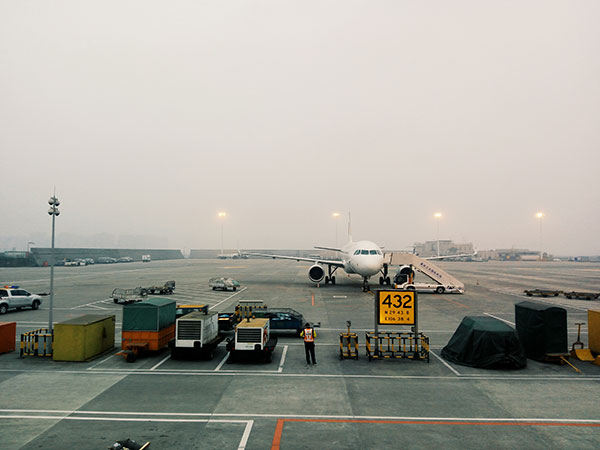

 English