Your China & Yunnan Travel Experts


 Ask a Question
Chongqing, a mountainous riverside city in southwest China, boasts one of the most bold, flavorful, and distinctive regional cuisines in the country. Rooted in Sichuan culinary traditions yet uniquely localized by its humid climate, mountain terrain, and riverside living, Chongqing food stands out for its bold spiciness, numbing Sichuan peppercorn aroma, rich oily flavors, and intense wok hei. Unlike mild, delicate Chinese cuisines from eastern or southern China, Chongqing dishes prioritize strong, stimulating tastes that warm the body and refresh the palate, perfectly suited to the city’s damp, foggy weather. Beyond its world-famous hotpot, Chongqing’s food scene covers hearty street snacks, rustic jianghu street dishes, and iconic regional delicacies, forming a diverse culinary landscape that attracts food lovers worldwide. This practical guide breaks down Chongqing’s food features, must-try dishes, top dining streets, ordering tips, and portable souvenirs for every traveler.
Chongqing cuisine is a branch of Sichuan cuisine but has developed exclusive local characteristics after centuries of regional evolution. Its most defining traits are numbing, spicy, aromatic, and bold, with less emphasis on sweetness and lightness compared to other Chinese culinary styles. Two core seasonings define almost every local dish: dried chili peppers and Sichuan peppercorns, which create the iconic “mala” (numbing and spicy) flavor that is the soul of Chongqing food.
Another key feature is its rustic, down-to-earth style. Most Chongqing dishes avoid elaborate plating and fancy presentation, focusing entirely on authentic taste and hearty portions. Influenced by the city’s dock worker culture in ancient times, local food is filling, high-energy, and full of robust flavors, designed to satisfy hardworking laborers. Additionally, Chongqing cuisine makes full use of local ingredients: river fish from the Yangtze and Jialing Rivers, fresh mountain vegetables, and locally raised poultry and meat, ensuring fresh, original flavors in every bite. Whether in high-end restaurants or street stalls, the consistent emphasis is on strong flavor, rich aroma, and genuine local taste.
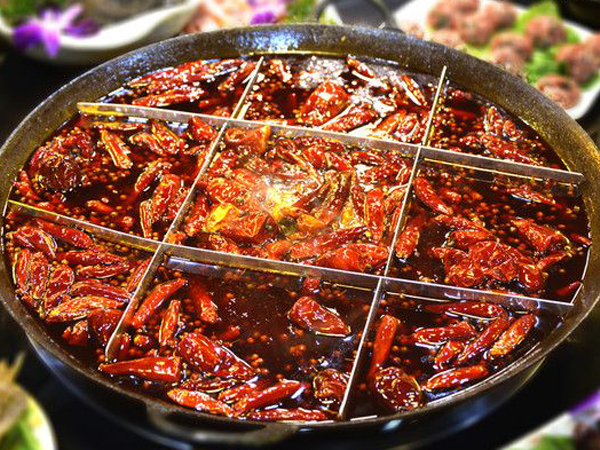
No visit to Chongqing is complete without trying authentic local hotpot, the city’s most iconic dish and a global representative of Chinese spicy food. Unlike northern Chinese copper hotpot or Cantonese clear-soup hotpot, Chongqing hotpot features a thick, oily red broth simmered with dozens of spices, creating an unparalleled rich and layered flavor.
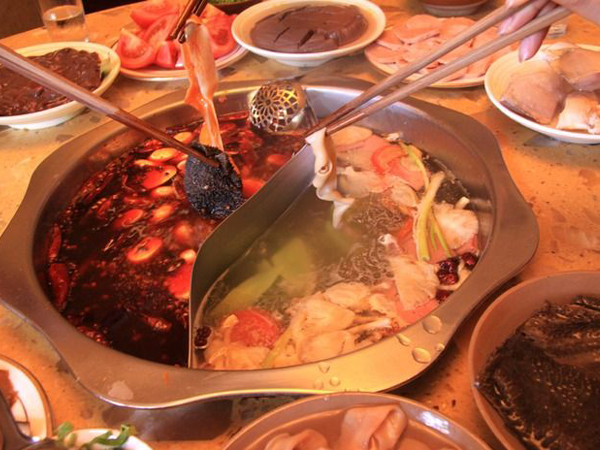
Traditional Chongqing hotpot uses beef tallow as the base, paired with dried chilies, Sichuan peppercorns, fermented broad bean paste, ginger, garlic, and a secret blend of Chinese herbs. The slow simmer melts the fragrance of all seasonings into the broth, producing a bold, numbing-spicy taste that is not overly dry or harsh. For travelers sensitive to extreme spice, most local restaurants offer half spicy, half clear soup (yuanyang pot), a flexible option suitable for all taste preferences.
Must-order hotpot ingredients are classic and irreplaceable. Beef omasum is the signature staple—crisp, tender, and perfectly absorbent of the spicy broth when blanched for exactly 15 seconds. Fat beef slices, fresh pork brain, duck blood, and beef tendons are also local favorites. Vegetable options include lotus root slices, potato slices, and water spinach, which balance the rich meat flavors. Local etiquette dictates blanching meat first to enrich the broth, then vegetables, for the best tasting experience.
Authentic Chongqing hotpot is more than a meal; it is a local social custom. Locals gather around hotpot pots year-round, even in summer, pairing spicy hotpot with cold beer or sour plum soup to cool the palate. For first-time visitors, avoid judging the spiciness by appearance—the layered mala flavor grows on your taste buds and becomes highly addictive.
Chongqing’s street snacks are the best way to experience grassroots local flavors, with affordable prices, rich tastes, and diverse varieties. These small bites are widely available in food streets and night markets, perfect for casual tasting while sightseeing.
Spicy Tofu Pudding (La Douhua) differs completely from sweet southern tofu pudding. Chongqing’s version is savory and spicy, topped with chili oil, Sichuan peppercorn, crushed peanuts, and scallions. The soft, smooth tofu pairs perfectly with bold seasonings, creating a refreshing and savory bite ideal for breakfast or a light snack.
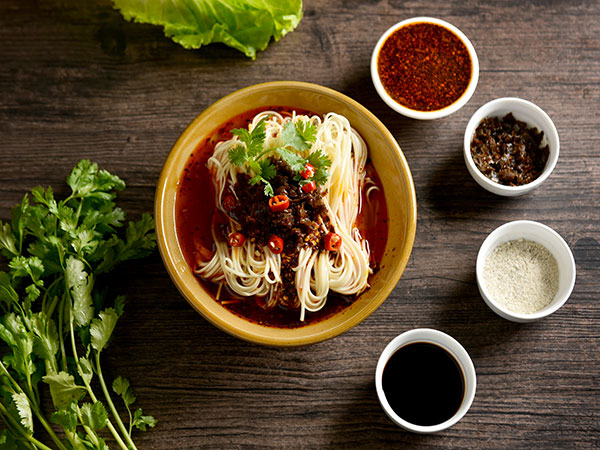
Chongqing Noodles (Xiao Mian) is the city’s staple breakfast for locals. Unlike thick soup noodles in northern China, Chongqing xiao mian is dry-tossed with a rich blend of chili oil, vinegar, soy sauce, and peppercorn. You can add toppings like braised pork, beef, or pickled vegetables. The thin, chewy noodles absorb every bit of seasoning, delivering a concentrated mala flavor in every mouthful.
Crispy Spicy Chicken (La Zi Ji) is a popular street snack and mini version of the classic Sichuan dish. Diced chicken is deep-fried until crispy then stir-fried with massive dried chilies and peppercorns. The chicken is tender and aromatic with a strong numbing-spicy kick, and the fried chilies add a unique roasted fragrance.
Other unmissable snacks include spicy crayfish (summer specialty), glutinous rice cakes with brown sugar (sweet dessert to neutralize spiciness), spicy duck neck, and steamed pork with rice flour. All snacks feature the city’s signature mala flavor, showcasing the consistency of Chongqing’s culinary style.
Jianghu cuisine is the soul of Chongqing’s casual dining culture, originating from roadside stalls and rural family dishes. Translating to “rivers and lakes” cuisine, it represents the unrestrained, down-to-earth lifestyle of Chongqing people. Unlike formal restaurant dishes, jianghu food has no strict cooking standards, prioritizing bold flavors, large portions, and affordable prices.
Fish Hotpot (Yu Guo) is a top jianghu specialty. Fresh river fish is stewed in a spicy, sour broth with pickled vegetables, chilies, and peppercorns. The fish meat is tender and fresh, with a perfect balance of sour and spicy flavors that eliminate fishiness completely. It is a staple dish for local family dinners and friend gatherings.
Boiled Spicy Beef (Shui Zhu Niu Rou) is a classic jianghu dish. Thin beef slices are blanched in boiling spicy broth, topped with a mountain of dried chilies and Sichuan peppercorns, then splashed with hot oil to release intense aroma. The beef is ultra-tender, juicy, and packed with layered spicy flavors.
Fried Pork with Garlic Sprouts is a simple but iconic local home-style dish. Fatty pork is stir-fried with fresh garlic sprouts and spicy bean paste, with strong wok hei and a savory, slightly spicy taste. It is the perfect rice companion, loved by locals of all ages.
Other popular jianghu dishes include spicy stir-fried frog, braised pork ribs with potatoes, and sour spicy potato shreds. All dishes are cooked quickly over high heat to retain ingredients’ freshness and deliver strong, authentic local flavors.
Chongqing’s food streets cover bustling downtown spots, historic old streets, and trendy new blocks, catering to different travel needs from casual snacking to formal dining. Below are the most worth-visiting food destinations with practical travel information.
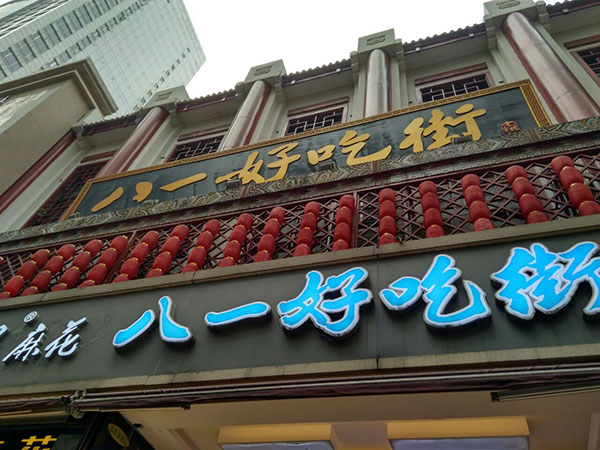
Bayi Road Food Street is the most famous tourist-focused food block in Chongqing, located in Yuzhong District. It gathers almost all classic Chongqing snacks and national popular delicacies, with dense stalls and restaurants open from morning till late night. It is the best choice for first-time visitors to taste multiple local foods in one stop, though prices are slightly higher than local community stalls.
Guanyinqiao Food Street in Jiangbei District is a local-favorite food hub with fewer tourists and more authentic flavors. The block is full of affordable roadside stalls and specialty restaurants, ranging from snacks, hotpot to jianghu cuisine. It is ideal for travelers who want to dine like locals and avoid tourist traps.
Jiaochangkou Night Market is Chongqing’s most lively night food spot, opening from dusk to midnight. When night falls, countless food stalls line the streets, selling grilled skewers, spicy crayfish, fried snacks, and cold dishes. The vibrant night market atmosphere and rich food options make it perfect for night owls.
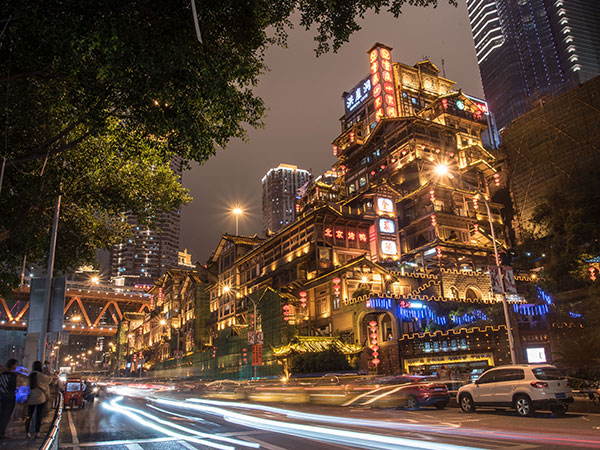
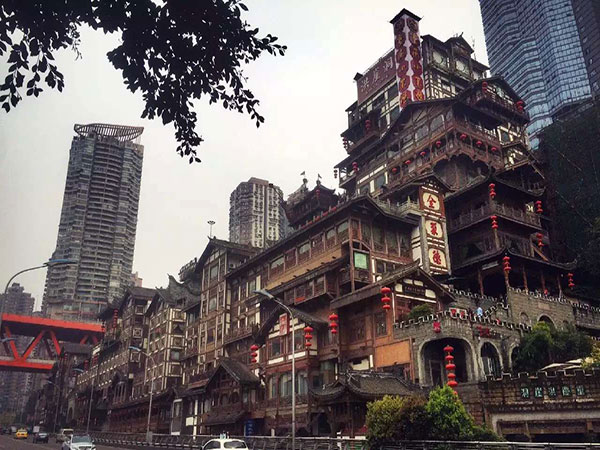
Hongyadong Food Street combines food and scenery, located in the iconic Hongyadong scenic area. While enjoying the famous layered stilt-house architecture and river views, visitors can taste local hotpot, snacks, and Sichuan-style desserts. Most restaurants offer outdoor seating with river views, creating a unique dining experience.
Yangjiaping Food Street in Jiulongpo District is a time-honored local food block with many decades-old specialty stores. It focuses on authentic old Chongqing flavors, including traditional noodles, braised dishes, and handmade snacks. It is a great spot for food lovers seeking nostalgic, original local tastes.
Danzishi Old Street blends history and food, featuring ancient street architecture and specialty river-view restaurants. Besides classic Chongqing food, it offers fusion dishes and casual cafes, suitable for travelers who want to combine sightseeing, photography, and dining.
Yuwei 36 Bowls (Taoranju National Trend Food Block) is a trendy cultural food space integrating traditional Chongqing cuisine and modern national trend style. It specializes in “36 bowls of Chongqing classic dishes”, covering noodles, snacks, and staple dishes. The retro and fashionable decoration is perfect for food photos, ideal for young travelers.
Shibati Traditional Style Area is a newly renovated ancient block that preserves old Chongqing’s street style. Its food stalls focus on traditional handmade snacks and time-honored local dishes, with low commercialization and pure authentic flavors, suitable for travelers who prefer quiet, high-quality food experiences.
Chongqing food is famous for its intense spiciness, so proper ordering and dining habits can help travelers enjoy local flavors without discomfort. First, adjust spiciness level reasonably. Local restaurants usually offer mild, medium, and extra spicy options. Travelers not used to spicy food must choose mild spicy or yuanyang (half-and-half) hotpot broth to avoid overwhelming numbing and spicy sensations. Never order extra spicy casually, as local spiciness is far stronger than ordinary Sichuan food.
Second, master correct hotpot blanching time. Different ingredients require different cooking durations: beef omasum takes 10–15 seconds, beef slices 20 seconds, duck blood 3–5 minutes, and potatoes and lotus root slices 5–8 minutes. Overcooking will make ingredients tough and lose flavor, while undercooking affects taste and hygiene.
Third, match food with local drinks to relieve spiciness. Sour plum soup, iced soybean milk, and local beer are the best partners for spicy food. Avoid drinking hot tea or plain water when eating spicy food, as they will amplify the burning sensation. Sweet glutinous rice desserts can also neutralize spiciness effectively.
Fourth, portion reminder. Chongqing restaurant portions are generally large. For solo travelers or small groups of 2–3 people, avoid ordering too many dishes at once to prevent waste. Street snacks are small-portioned and diverse, suitable for multiple tastings.
Many classic Chongqing delicacies are vacuum-packed and easy to carry, perfect for bringing local flavors back home for family and friends. Vacuum-packed hotpot base is the most popular souvenir. Local authentic beef tallow hotpot seasoning allows you to cook genuine Chongqing hotpot at home, with the same mala flavor as in local restaurants.
Spicy dried tofu and braised duck products are classic portable snacks. Made with traditional Chongqing spicy craftsmanship, these ready-to-eat snacks have a rich, savory taste and long shelf life, ideal for casual eating or gifting.
Brown sugar glutinous rice cakes are vacuum-packed for easy carrying. Retaining the soft, chewy texture and sweet brown sugar flavor of local street snacks, they are a perfect sweet treat to balance spicy food.
Sichuan peppercorn and chili seasoning packs are practical specialty souvenirs. Local high-quality peppercorns and dried chilies are fragrant and numbing, allowing food lovers to cook authentic Chongqing and Sichuan dishes at home.
Time-honored brand spicy beef jerky is another excellent choice. Made with local beef and traditional spicy curing techniques, it is chewy, aromatic, and full of local characteristics, loved by both adults and children.

 English