Your China & Yunnan Travel Experts

 Ask a Question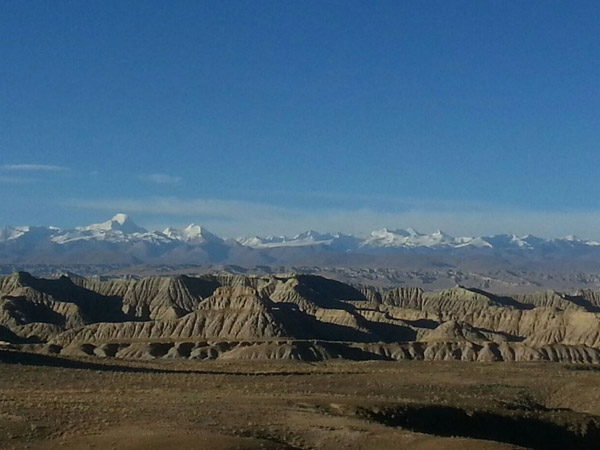


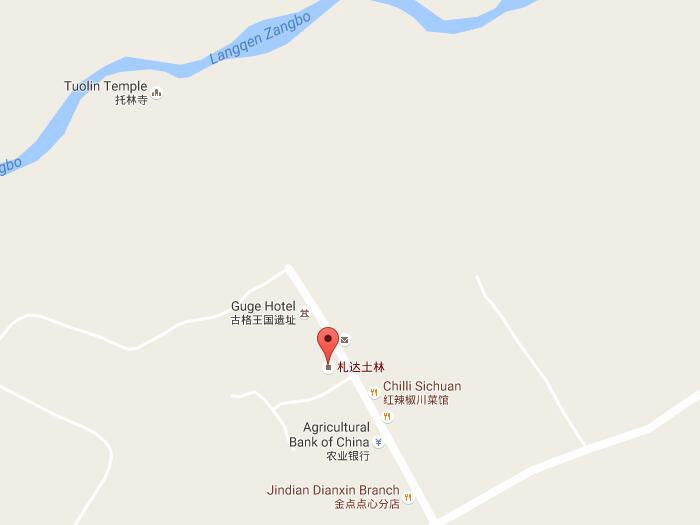
Zhada Town, Ngari Precture, Tibet, China.
Amazing nature view.
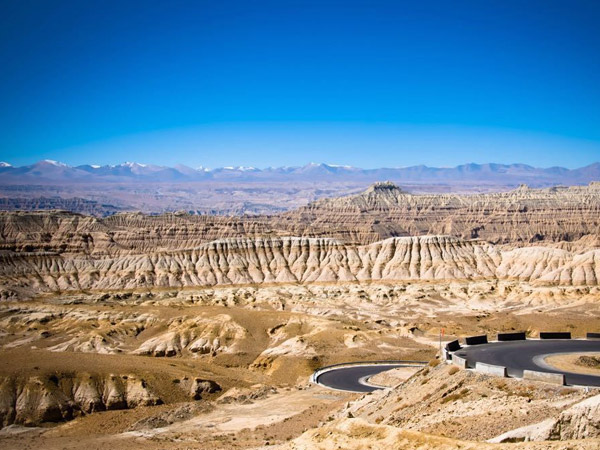
The earthen forest is formed by erosion of water. Zanda Earthen Forest(Chinese name: 扎达土林) is the sediment stratum of lakes and rivers, mainly composed by sandstone and clay. This peculiar and mystic physiognomy densely covers the whole Zhada. During the Xiangxiong and Guge kingdoms, people used this kind of natural resource to make caves to live. Now, more than 400 caves can be found in the earthen forest.
Zhada, which means the place where grass in the lower reaches of river in Tibetan, is one of the counties under the administration of Ngari Prefecture. Entering into Zanda, you will find that the earthen forest standing on both sides of Elephant Spring River winding over more than five kilometers. Some are like the warrior defending the mountain top, some like thousands of horses galloping, and some the devout followers cultivating themselves, standing there quietly. From different angles, you can get different wonderful view.
Zhada Soil Forest, at an altitude of 3,750 to 4,450 meters, is the most typical and largest soil forest formed by the weathering of Tertiary strata in the world, which is magnificent and magnificent, and is called the "epic" of geology.
Soil forest belongs to flowing water erosion landform, is a unique and rare landform type, is a special geological structure. It is formed under the interaction of various factors such as suitable sediment composition, diagenetic process and suitable hydrological and climatic conditions. The earthen forest is rich in shapes including jungle, Aquarius, castle and sharp peak.
Zhada Basin is located in Xiangquan River basin surrounded by Himalayas and Ayila Mountains. It was a lake with an area of several thousand square kilometers from 5.1 million to 3 million years ago. With the overall uplift of the Qinghai-Tibet Plateau and long-tern severe rain erosion, the lake became land, thus forming a typical soil forest landscape.
Rich Shapes of the Soil Forest
Soil forest consists of a large number of soil columns, towers, walls, platforms, castles, cities, cliffs and ridges. Rain erosion carves endless patterns on the appearance of these landscapes, and males them more mysterious. The rock layers that make up the soil forest have great changes in material composition, thickness, granularity and color, and with the changes of seasons and light, they will be combined into countless fantastic pictures.
Magnificent View of the Soil Forest
Zhada Soil Forest covers an area of 2,464 square kilometers. The erosion of millions of years of wind and rain has formed this unique landscape, which is steep with varied shapes. The magnificent soil forest is a masterpiece of nature. Carefully observe the soil forest, you will find stately palace and lifelike animals, which are strange, rugged, beautiful and breathtaking.
Long History and Discovery of the Zhada Soil Forest
Paleontologists have discovered animal fossils such as shells, snow leopards, argali and three-toed horses in Zhada Soil Forest. These fossils tell the world that today's roof of the world is the hometown of the protagonists in the Ice Age.The continuous uplift of the Qinghai-Tibet Plateau is not only a new driving force for the continuous evolution of the landscape pattern in Asia, but also makes it a hub for biological evolution.

 English