Your China & Yunnan Travel Experts

 Ask a Question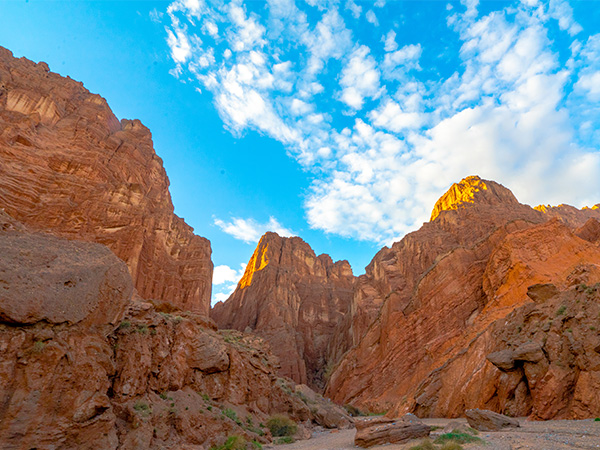
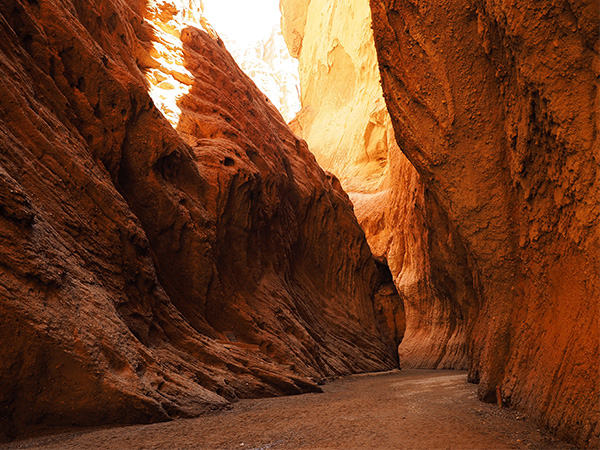
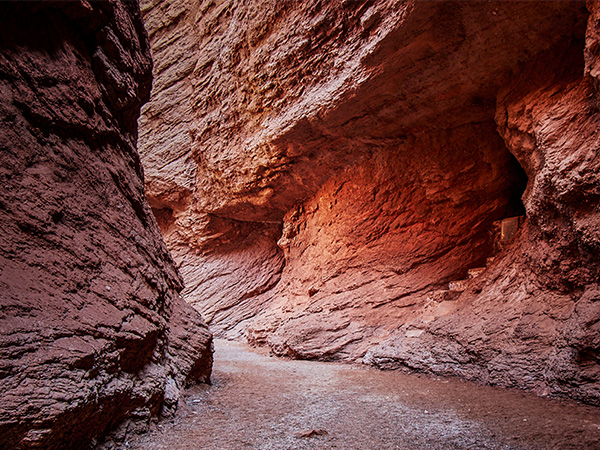
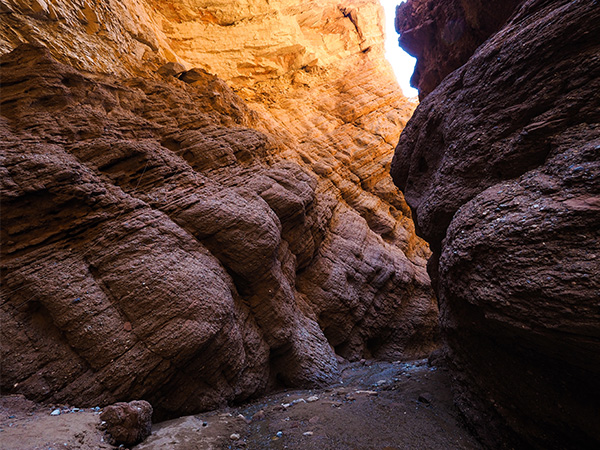
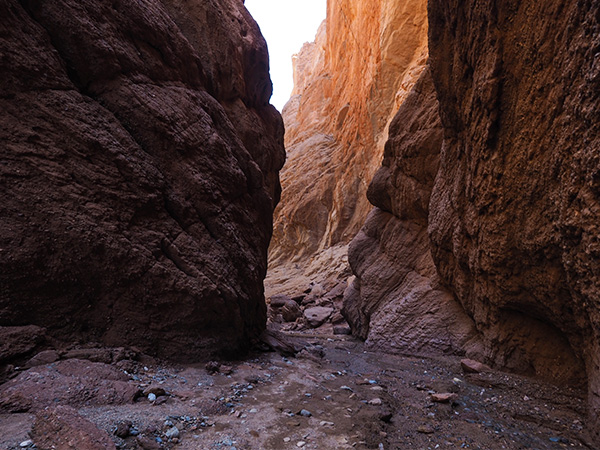
Xinjiang Tianshan Grand Canyon is one of the most impressive natural landscapes in northwest China, located at the northern foothills of the Tianshan Mountains, not far from Ürümqi, the capital of Xinjiang Uyghur Autonomous Region. Known for its towering red sandstone cliffs, deep gorges, alpine grasslands, forests, and flowing streams, the canyon offers a dramatic contrast between rugged geology and soft pastoral scenery. Unlike highly commercialized scenic areas, Tianshan Grand Canyon retains a sense of vastness and raw nature, making it an ideal destination for travelers who appreciate natural landscapes, outdoor exploration, and cultural depth.
The canyon is part of the greater Tianshan Mountain system, which has been recognized as a UNESCO World Natural Heritage site. Over millions of years, erosion from water, wind, and tectonic movement carved deep valleys into the rock, creating the striking canyon formations visible today. The area also holds cultural significance, as it has long been inhabited and used by nomadic peoples who relied on the surrounding grasslands for grazing.
Tianshan Grand Canyon is really worthy of sightseeing, scientifically exploring and ancient civilization studying. It is awarded the title of National Forest Park, National Sports and Leisure Base, National AAAA level scenic spot, Autonomous Region National Fitness Sports Training Base, Autonomous Region foot motion base and Autonomous regions nationwide fitness mountaineering training base.Tianshan Grand Canyon is located approximately 40–50 kilometers south of Ürümqi, making it one of the most accessible natural attractions in northern Xinjiang. Because of its proximity to the city, it is often included in short trips or day tours, though spending more time allows visitors to explore at a slower and more immersive pace.
Most travelers begin their journey in Ürümqi. From the city center, the canyon can be reached by car in about one to one and a half hours, depending on traffic and weather conditions. Taxis, ride-hailing services, and private car charters are common options, while guided tours offer convenient transportation and basic interpretation of the landscape. Public transportation is available but less straightforward, often requiring transfers and additional walking, so it is generally less recommended for first-time visitors.
The access road to the canyon passes through suburban areas and gradually transitions into open grasslands and mountain scenery, giving travelers a gradual sense of entering a different geographical and ecological zone.
The defining feature of Tianshan Grand Canyon is its dramatic geological structure. The canyon walls rise steeply on both sides, composed mainly of red and brown sandstone that changes color depending on the angle of sunlight. In the early morning and late afternoon, the cliffs glow with warm hues, creating an especially striking visual effect.
Within the canyon, visitors encounter a diverse range of landscapes. Narrow gorges open into wide valleys, where grasslands stretch between rocky slopes. Streams flow through the canyon floor, fed by melting snow from the higher peaks of the Tianshan Mountains. In some sections, wooden walkways and stone paths follow the water, allowing visitors to explore the canyon at close range.
Vegetation varies with elevation and moisture. Lower areas support shrubs and grasses, while higher or shaded zones feature coniferous forests. During summer, wildflowers dot the grasslands, adding color to the otherwise earthy palette of the canyon. Wildlife is present but often subtle, including birds, small mammals, and grazing livestock belonging to local herders.
Xinjiang Tianshan Grand Canyon is best suited for travelers who appreciate natural landscapes, open spaces, and slower-paced exploration. It appeals strongly to photographers, nature lovers, and those interested in geography and geology.
Travelers seeking amusement-style attractions or extensive shopping facilities may find the canyon understated. However, for those who value authenticity, scale, and the quiet power of nature, it offers a memorable and rewarding experience.
The best time to visit Xinjiang Tianshan Grand Canyon is from late spring to early autumn, roughly from May to October. During this period, weather conditions are relatively mild, access roads are clear, and the landscape is at its most vibrant.
Summer, particularly from June to August, is the peak season. Temperatures in the canyon are generally cooler than in Ürümqi, making it a pleasant escape from city heat. Grasslands are lush, streams flow steadily, and the overall scenery is at its most dynamic. However, summer is also the busiest time, so visitors should expect more tour groups, especially on weekends.
Autumn offers a quieter and visually striking experience. In September and early October, grasslands turn golden, forests display warm autumn colors, and the air becomes crisp and clear. This season is particularly appealing to photographers and travelers who prefer fewer crowds.
Winter visits are possible but challenging. Snow and ice can limit access, and temperatures drop significantly. While the canyon takes on a stark and dramatic beauty in winter, travel during this season is recommended only for experienced travelers prepared for cold conditions.
One of the main activities in Xinjiang Tianshan Grand Canyon is walking along the designated canyon trails, which guide visitors through narrow gorges, open valleys, and riverside paths. These trails allow travelers to experience the canyon at close range, observe the texture of the rock walls, and follow streams formed by melting snow from the Tianshan Mountains. Most routes are suitable for visitors with basic fitness levels, although some sections involve uneven ground and gentle elevation changes.
The canyon provides an excellent opportunity to observe large-scale geological processes in a visible and accessible way. The steep canyon walls, layered sandstone, and erosion patterns clearly show how wind, water, and tectonic movement shaped the landscape over millions of years. Visitors interested in geography or earth science can spend time examining color variations in the rock, sediment layers, and the contrast between narrow gorges and wide valley floors.
Photography is one of the most popular activities in Tianshan Grand Canyon due to the dramatic interaction between light, rock, water, and sky. The red and brown canyon walls change color throughout the day, creating different visual effects in the morning, midday, and late afternoon. Wide-angle shots capture the scale of the canyon, while closer views highlight rock textures, flowing water, and vegetation, making the area suitable for both amateur and experienced photographers.
In certain open areas near the canyon, visitors can take part in horse-riding activities that reflect the region’s nomadic traditions. Riding across the grasslands at the foot of the Tianshan Mountains offers a slower and more immersive way to experience the landscape. This activity also provides insight into the traditional lifestyle of local herding communities, for whom horses remain an important part of daily life.
Although wildlife in the canyon is not always immediately visible, attentive visitors may notice birds, small mammals, and grazing livestock belonging to local herders. The vegetation changes with elevation and moisture, ranging from grasses and shrubs in drier areas to forests in shaded or higher zones. Seasonal wildflowers in summer add color to the landscape and contribute to the ecological diversity of the canyon.
Beyond specific activities, simply spending time in the canyon is an important part of the experience. Sitting near the water, listening to the wind moving through the cliffs, and observing the slow changes in light and shadow allow visitors to fully appreciate the scale and calm of the environment. This quiet immersion is often what leaves the strongest impression on travelers.
For most travelers, a half-day visit is sufficient to experience the main highlights of Tianshan Grand Canyon. Departing Ürümqi in the morning allows time to explore several walking routes, take photographs, and enjoy the changing scenery.
Those with more time may prefer a full-day visit, combining walking, photography, and cultural experiences such as horse riding. Pairing the canyon with nearby grasslands or mountain viewpoints creates a well-rounded itinerary that showcases the diversity of the Tianshan region.
From $ 521
From on request
From on request

 English