Your China & Yunnan Travel Experts

 Ask a Question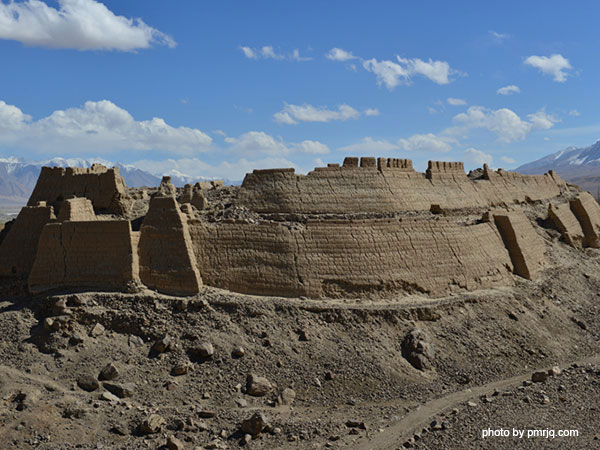
Tajik, Tashkurghan County, Xinjiang, China
One of the Three Most Famous Stone Cities in the world
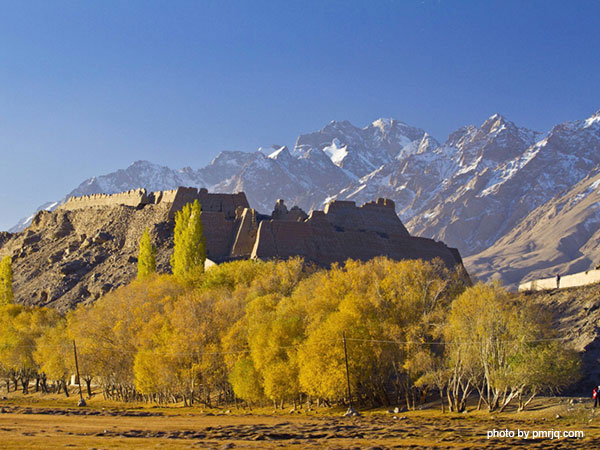
The Stone City is located in the north of Tashkorgan County. It is one of the most famous stone towns in the world. Stone City is a castle built by stones. The Stone City is built on a 20-meter hill on the left bank of Tashkurgan River. The terrain of the Stone City is extremely steep and easy to defend but difficult to attack. Covering an area of more than 100,000 square meters, the Stone City is divided into inner city and outer city. Now the outer city has been seriously damaged, but a rough trace of the city wall can still be seen. The outlines of some exposed city walls, forts and residential sites are faintly visible. There are horse faces outside the west and north walls, and the four corners were expected to be built. The Stone City is surrounded by mountains, and there is almost no soil. However, ancestors of Tajik people built such a magnificent castle here. We have to admire the diligence, wisdom, courage and strength of Tajik ancestors. This is the last station in China for the Silk Road. With a history of more than 2,000 years, it is always the political, economic, cultural, transportation and military center on the Pamirs.
Although the Stone City is now in ruins, it is in the track of the road of the communication between the East and the West in history, and many Chinese and foreign historical celebrities have stopped here since ancient times. Fa Xian, a famous monk in the Eastern Jin Dynasty, went to India before Xuanzang. He recorded that the Stone City is in the lush mountains, which is a cold mountain area. Except for wheat, other grains can't grow and be mature. There are more than 1,000 monks living there, all of whom belong to Hinayana Buddhism. Master Xuanzang, Marco Polo and Stein all had been to Stone City. Buddhist conference was held at the Stone City every five years. And we will find that Stone City is a significant Buddhist center on the Pamirs Plateau at that time.
The Inner City of Stone City
Perched atop a hill, the Inner City of Stone City serves as the heart of the ancient city and is its best-preserved section. It once housed the royal palace, government offices, and major temples of the ancient Kingdom of Khadan, functioning as the political and religious center of this millennia-old plateau kingdom. Strolling through the area, one can still see the massive stone walls, neatly arranged battlements, and towering corner towers standing tall. Ancient Buddhist niches remain on the walls, and the architectural standards and defensive ingenuity of the past are evident everywhere. Standing atop the inner city, one can both feel the majestic grandeur of the ancient royal capital and directly appreciate the architectural characteristics of the ancient plateau city-state, with a profound sense of history washing over you.
The Outer City of Stone City
The outer city was built encircling the inner city. Although it has endured the erosion of time and the battering of wind and rain, leaving mostly crumbling walls and ruins, it still manages to outline the city’s former contours. This area was once the residential district of the ancient city’s inhabitants. Although severely damaged today, the remains of defensive structures—such as bastions and corner towers—as well as the crisscrossing network of streets and alleys are still clearly discernible. Scattered among the crumbling walls and ruins are bricks, stones, and architectural foundations, silently recounting the daily life and frontier defense of centuries past. Though the outer city no longer boasts its former splendor, its weathered and rustic appearance reveals the authentic historical fabric of the ancient city, evoking deep reflection on the passage of time and the traces of history.
Xuanzang’s Sermon Site
Xuanzang’s Sermon Site is a landmark of immense cultural significance in Shitou City, closely tied to a true historical anecdote. According to historical records, during his return journey from the West after retrieving Buddhist scriptures, the Tang Dynasty monk Xuanzang passed through the Kingdom of Kambala—now known as Shitou City—where he delivered sermons and spread the teachings of Buddhism. This site serves not only as a vital testament to the eastward transmission of Buddhist culture but also as a historical imprint of the cultural exchange and integration between the Central Plains and the Western Regions. Standing here, one feels as though they have traveled back through a thousand years, imagining the scene of the venerable monk preaching and the faithful listening. Amid the windswept silhouette of this ancient highland city, one can sense the profound significance of cultural exchange along the Silk Road.
Viewing Platform
Located at the highest point on the western side of the Stone City ruins, the viewing platform offers an unparalleled vantage point to overlook the entire ancient city and gaze upon the magnificent snow-capped mountains. From here, the entire layout and character of Stone City unfold before your eyes. The ancient stone-walled city, built against the mountainside, exudes a majestic grandeur. In the distance, snow-capped peaks rise majestically, among which you can spot Mount Mustag, hailed as the “Father of Ice Mountains,” with its sacred and magnificent beauty. The ancient city’s profound sense of history and the snow-capped mountains’ pristine grandeur complement each other, creating a breathtaking highland panorama. Whether you’re taking photos or simply admiring the view in quiet contemplation, you’ll enjoy a truly unique visual experience. This is an unmissable scenic spot when visiting the Stone City.
From May to June, the snow and ice on the Pamir Plateau begin to melt, and the weather is mild and pleasant. The grasslands of Jincao Tan come back to life, bursting with greenery, while the wetlands and streams are crystal clear, and wildflowers bloom one after another. The sky is clear and crisp at this time, with snow-capped mountains clearly visible. Set against the backdrop of green hills and snow-capped peaks, Stone City appears exceptionally rustic and serene. With few visitors and stable road conditions, it is a comfortable and enjoyable time to explore the ruins or take photos, offering an excellent experience.
September through October marks the prime season for photography in Stone City. The Golden Grasslands shed their emerald green and turn a golden hue, creating a striking contrast with the ancient ruins of the stone city. The interplay of light and shadow under the setting sun is particularly captivating. The crisp, clear autumn air brings low precipitation and high visibility. Snow-capped peaks like Muztagata, covered in year-round snow, appear crisp and majestic. The ancient city’s sense of history blends perfectly with the plateau’s grandeur, making every snapshot a masterpiece—this is the season with the most breathtaking visual impact.
Although July and August are summer months, the cool high-altitude climate makes them ideal for escaping the heat. However, this is also the rainy season, with frequent clouds and fog that can obscure the snow-capped peaks. Occasional road closures may occur, and tourist crowds tend to be relatively dense. From November through March, winter sets in, and the Stone City is blanketed in snow, creating a uniquely desolate and poetic atmosphere. However, temperatures are extremely low and roads are prone to icing, making travel quite risky; this season is best suited for experienced self-drivers and photography enthusiasts.
When traveling to the Stone City of Tashkurgan, located on the high-altitude border, the climate, road conditions, and travel documents are all critical factors. Proper preparation in advance is essential for a smooth and comfortable trip. First and foremost, be sure to obtain your border pass well in advance; without it, you will not be able to enter Tashkurgan County. If you are departing from mainland China, you can apply for the pass at a local government service center. Upon arrival in Kashgar, you can also obtain it free of charge at the Tourism Service Center; simply fill in “Tashkurgan County, Kashgar Prefecture.” Foreign tourists must obtain a Foreigner’s Travel Permit through a travel agency and cannot travel there independently.
Altitude sickness is another serious concern. Tashkurgan County sits at an elevation of approximately 3,100–3,200 meters. Upon arrival, avoid running or strenuous exercise, and refrain from drinking alcohol or overeating. When choosing accommodations, opt for hotels equipped with oxygen supply facilities. There is a significant temperature difference between day and night. Even in summer, bring a thick jacket and a windbreaker; in autumn and spring, be sure to pack a down jacket. Sunscreen, sunglasses, and lip balm are also essential, as UV rays are strong and the air is dry at high altitudes.
Regarding transportation, the drive from Kashgar to Tashkurgan County takes about five to six hours. The scenery along the way is stunning, but the many curves can cause motion sickness, so it is recommended to bring motion sickness medication in advance. If driving yourself, pay close attention to speed limits and road conditions. During the rainy season and winter, some sections may experience rockfalls or icy roads. Visitors unfamiliar with high-altitude driving conditions are better off hiring a private car or sharing a ride. Stone City is located right on the outskirts of the county town and can be easily reached on foot or by taxi, so there’s no need to get up early to make the trip.
When planning your itinerary, consider combining Stone City, Golden Grass Beach, and the Folk Village into one trip; a combined ticket is available. The best time for photography is in the evening at Golden Grass Beach to watch the sunset over Stone City. Local cuisine features yak meat, lamb, naan, and milk tea, with flavors that tend to be quite rich; those with sensitive stomachs may want to bring some common digestive medicine. Please respect the customs of the Tajik people. When visiting local homes, greet them first, ask for permission before taking photos, and remain polite and friendly.
One final reminder: The Khunjerab Pass is not open to ordinary tourists or foreign visitors, so avoid making a wasted trip. Cell phone reception is stable in the county town but weak along some sections of the route; consider downloading offline maps in advance. Take your time throughout the trip, prioritizing comfort and safety, to fully appreciate the majestic beauty of the Pamir Plateau and the ancient charm of Stone City.
From $ 521
From on request

From on request

 English