Your China & Yunnan Travel Experts

 Ask a Question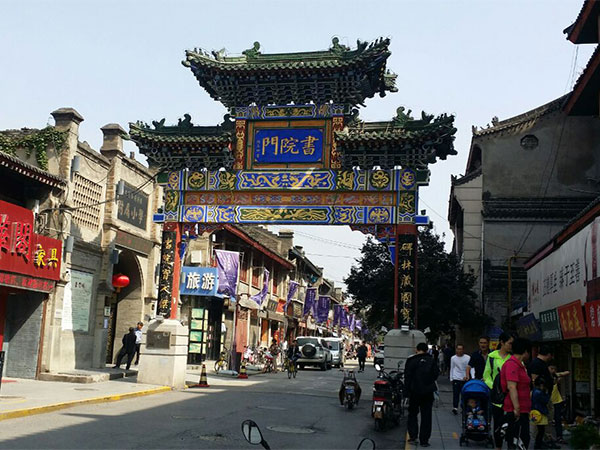
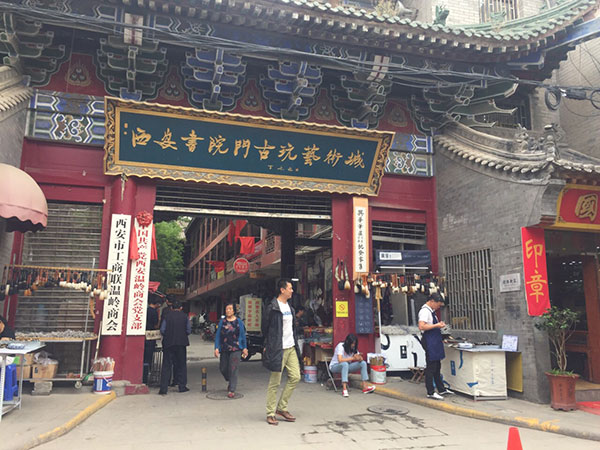
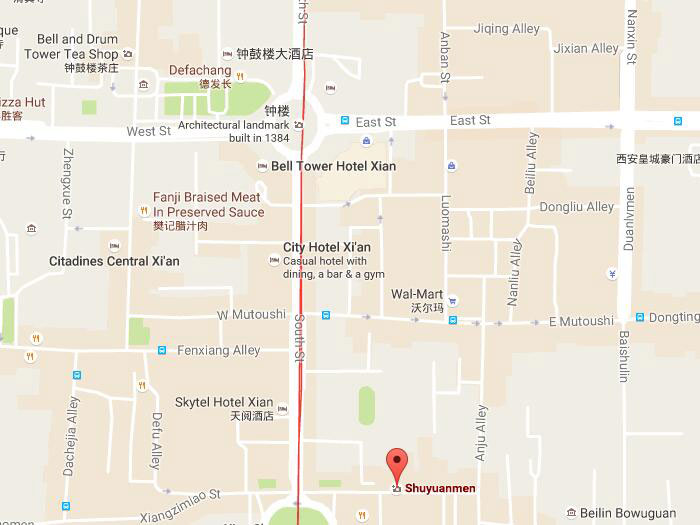
Shuyuanmen Ancient Culture Street, Beilin District, Xi'an, Shannxi Province, China
Heaven for artists: Silk embroideries, painting brushes, art paper, custom made stamping
Shuyuanmen derives its name from the Guanzhong Academy. During the Ming Dynasty, Minister of Works Feng Congwu was dismissed due to political conflicts and later lectured at Baoqing Temple, where he attracted many students. To support him, Shaanxi’s administrative officials built the Guanzhong Academy, marking the beginning of Shuyuanmen’s cultural legacy over 400 years ago.
Since the Tang Dynasty, the area had housed important educational institutions such as the Imperial College and the Jingzhao Prefecture School. During the Yuan period, it neighbored the Examination Institute. In the Ming and Qing periods, this area formed a unique educational zone known as “Three Academies and One Temple,” including Xi’an Prefecture Academy, Chang’an County Academy, Xianning County Academy, and the Confucian Temple (today’s Forest of Stone Steles Museum). By the late Qing Dynasty, the Guanzhong Academy was converted into the Shaanxi Normal School, which later became the highest educational institution in Northwest China. Today, it is part of Xi’an University of Arts and Science.
Explore the Four Treasures and Calligraphy Market
Shuyuanmen is home to hundreds of shops selling brushes, ink sticks, rice paper, and inkstones—the essentials of traditional Chinese study. You can also find artist studios where calligraphers and painters create and sell their works. Many shops offer personalized calligraphy, painted fans, and small art pieces—perfect as souvenirs.
Along both sides of the street, you’ll find stalls selling stone rubbings, antiques, jade carvings, and old books. Bargaining is common, and comparing prices is recommended before purchasing.
Discover Traditional Handicrafts and Creative Products
Walking along the street, you’ll encounter artisans making dough figurines, sugar sculptures, or mounting calligraphy works. These crafts preserve the cultural memory of old Xi’an.
In recent years, Shuyuanmen has also introduced a variety of creative cultural products featuring Xi’an elements such as the Terracotta Warriors and City Wall. These items—like Yongning Gate refrigerator magnets or Qinling walnut bracelets—blend traditional culture with modern design and are popular with younger visitors.
Join Cultural Events and Exhibitions
Throughout the year, Shuyuanmen hosts exhibitions and live demonstrations, including calligraphy contests, traditional painting showcases, and intangible cultural heritage performances. Renowned artists often gather here to display their works.
Some shops also offer hands-on experiences such as paper cutting, seal carving, or observing shadow puppet shows. These activities provide tourists with an immersive way to experience Xi’an’s traditional arts.
Appreciate the Architecture and Atmosphere
In the 1990s, Shuyuanmen underwent major renovations to restore its Ming and Qing architectural style. The street is paved with bluestone slabs, lined with red lattice doors and golden signboards, creating a serene and antique atmosphere.
Unlike other busy shopping areas, Shuyuanmen offers a calm and leisurely pace. Visitors can stroll along the stone-paved lane, admire traditional buildings, enjoy the fragrance of ink and tea, and experience the poetic feeling of “stealing half a day’s leisure.”
Visit Guanzhong Academy and Baoqing Temple Pagoda
Guanzhong Academy is the cultural core of Shuyuanmen. Now part of Xi’an University of Arts and Science, the academy retains many Ming and Qing structures, including Yunzhi Hall and Jingyi Pavilion. It is open to the public at certain times, offering insight into traditional Chinese education.
At the western end of Shuyuanmen stands Baoqing Temple Pagoda, a Tang Dynasty relic and a provincial cultural heritage site. The pagoda features stone carvings from the Wei and Tang periods, prized for their historical and artistic value.
A recommended route is to begin at Guanzhong Academy, learn about its history, stroll along Shuyuanmen to browse calligraphy and craft shops, sip Shaanxi’s dark Fucha tea, and finish your visit by photographing the Baoqing Temple Pagoda.
Local Snacks
Shaanxi Cuisine Restaurants: Zuichangan (醉长安, Shuyuanmen Branch) – Elegant environment with recommended dishes like Gourd Chicken and “Miaobi Shenghui” (Artistic Chicken Roll).
By Metro:
Take Metro Line 2 to Yongningmen Station, exit from D2 and walk about 5 minutes. Alternatively, transfer from Line 6 at Zhonglou Station.
By Bus:
Take Bus No. 12 or 26 and get off at Nanmen Station, then walk 3 minutes to reach the street.
From $ 323
From $ 344

 English