Your China & Yunnan Travel Experts

 Ask a Question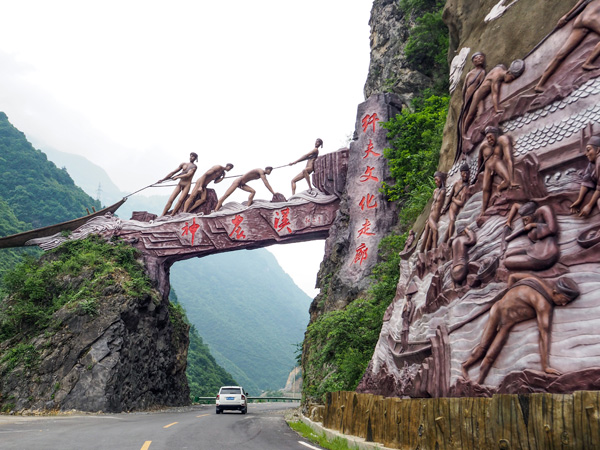
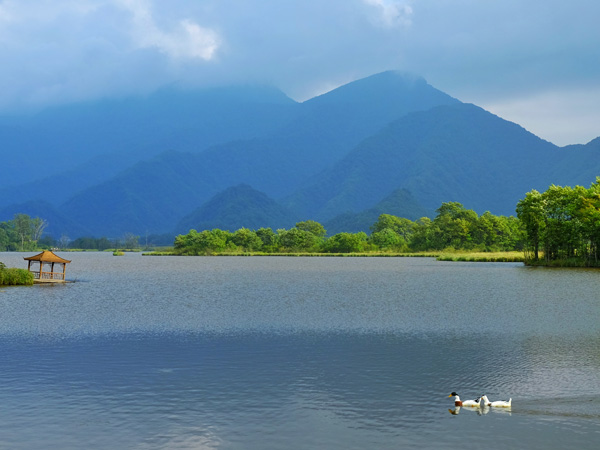
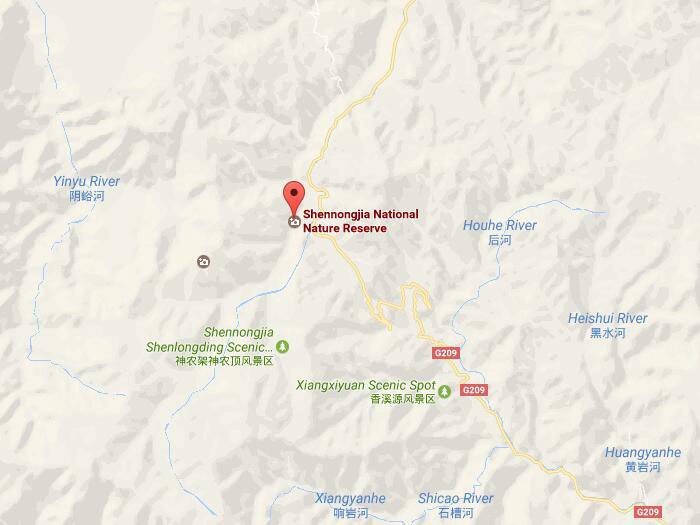
In the west of Hubei Province in middle of China
A ideal place to admire beautiful landscape of forests, mountains, lakes, gorges and caves
Together they form a splendid scenic corridor including historical cultural relics, beautiful forest landscape as well as some "Natural Riddles”. Since ancient times, Shennongjia gained the fame as "Home of Wild Man".
Located at the mysterious 31 degrees north latitude, Shennongjia is not just a scenic spot but a vast, primeval ecological kingdom. Often referred to as the "Green Mystery" and the "Roof of Central China," this UNESCO World Natural Heritage site offers a breathtaking escape into nature. While the historical allure of Qu Yuan and Wang Zhaojun adds a layer of cultural depth, the true soul of Shennongjia lies in its towering peaks, ancient forests, and the misty wetlands that seem frozen in time. For travelers seeking to unravel the legends of the "Wild Man" and immerse themselves in a world of oxygen-rich forests, a well-planned journey here is essential.
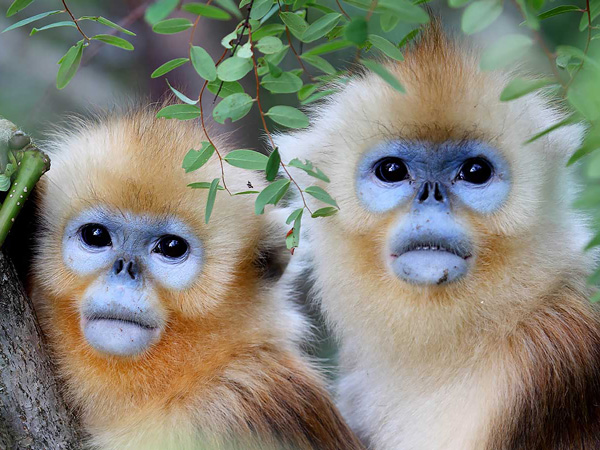
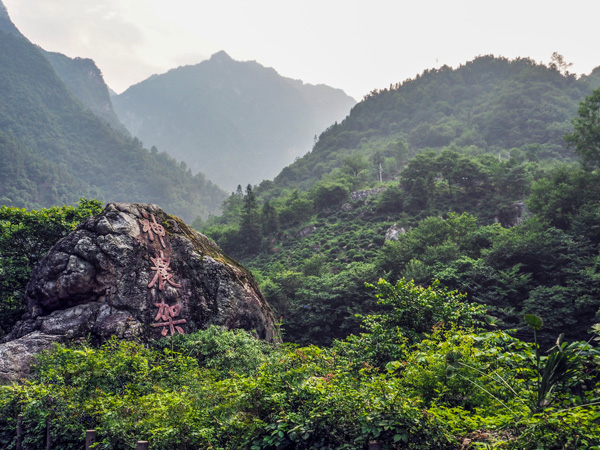
Shennong Ding (Shennong Peak): As the highest peak in Central China at an altitude of 3,106 meters, this is the ultimate destination for adventurers. Standing at the observation tower, you are greeted by a magnificent panorama of rolling mountain ranges and the famous "Sea of Clouds." The area is a natural maze of bizarre rock formations, particularly at Banbiyan (Wall Rock), where strange stones stand like guardians of the forest. It is also one of the best places to spot the rare and playful golden snub-nosed monkeys in their natural habitat.
Dajiuhu (Great Nine Lakes) National Wetland Park: Often hailed as the "Hulunbuir of Hubei," Dajiuhu is a stunning alpine wetland consisting of nine shimmering lakes nestled in a basin. The absolute highlight here is the morning mist. If you rise early enough (around 6:00 AM), you will witness a fairyland where mist hovers over the calm water, creating mirror-like reflections of the surrounding mountains. It is a photographer's paradise and a place of profound tranquility. Don't miss the Deer Park, where you can interact with gentle sika deer roaming freely.
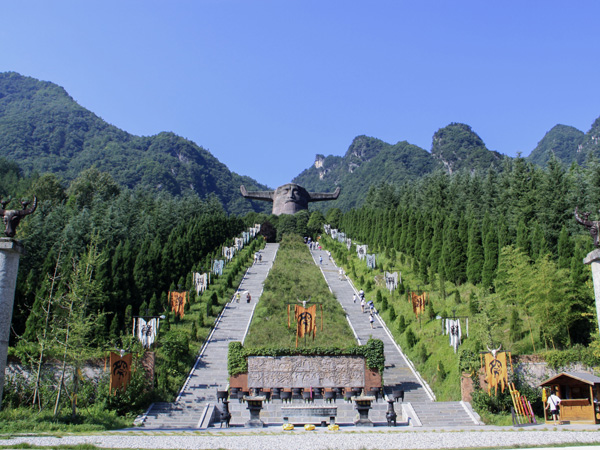
Guanmenshan and Shennong Altar: For a blend of ecology and culture, these two spots near Muyu Town are perfect. Guanmenshan serves as a natural museum where you can see giant salamanders and pandas while learning about the region's unique geology. Nearby, the Shennong Altar pays homage to the legendary Shennong (the Divine Farmer), featuring a colossal statue of the ox-headed deity and the magnificent "King of Fir Trees," a millennium-old cedar that stands as a living witness to history.
Given the dispersed nature of the scenic spots and the winding mountain roads, a 3-day itinerary is highly recommended to fully appreciate the beauty without rushing.
Day 1: Cultural & Ecological Immersion. Arrive at Muyu Town, the main tourist hub. Spend your afternoon exploring the cluster of attractions nearby: visit the Guanmenshan ecological museum, pay respects at the Shennong Altar, and hike through the Tianshengqiao (Natural Bridge) to see its spectacular waterfalls and primitive Ba people workshops. Stay overnight in Muyu Town to enjoy the local dining scene.
Day 2: Conquering the Roof. Dedicate this day to the majestic Shennong Ding scenic area. Drive or hire a car to traverse the high-altitude road, stopping at Jinhouling (Golden Monkey Ridge) for a waterfall hike and the Watchtower for the highest view. In the late afternoon, drive towards Pingqian Ancient Town and stay there. This strategic move allows you to be right at the gate of Dajiuhu for the next morning.
Day 3: The Fairyland of Morning Mist. Wake up before dawn to enter Dajiuhu National Wetland Park. Take the scenic train or walk along the boardwalks to capture the ethereal morning mist at Lake 2 and Lake 5. After the mist clears, enjoy the lush alpine meadows and feed the deer. In the afternoon, you can begin your journey home or explore the Tianyan (Swallow) Scenic Area if time permits.
Ticket Strategy: It is highly cost-effective to purchase the 5-Day Joint Ticket (approx. 299 RMB), which covers the six major scenic areas including Shennong Ding, Dajiuhu, Guanmenshan, and others. Note that Dajiuhu usually requires a separate sightseeing bus ticket (approx. 70 RMB).
Transportation: The scenic spots are far apart, and public transportation is limited. Self-driving or chartering a car is the best way to explore. The mountain roads are winding (often Z-shaped), so if you are not an experienced driver, hiring a local driver is a safer and more relaxing option.
Accommodation: Choose your base wisely. Muyu Town offers the most hotels, restaurants, and nightlife, making it great for the first night. Pingqian Ancient Town is quieter and is the only logical choice if you want to catch the Dajiuhu sunrise and morning mist.
What to Wear: The weather in Shennongjia is notoriously changeable, with a significant temperature difference between day and night. Even in the height of summer, the mountaintops can be chilly. A windbreaker or a light down jacket is a must. Also, bring comfortable, non-slip hiking shoes, rain gear, and sunscreen, as the UV rays can be strong at high altitudes.

 English