Your China & Yunnan Travel Experts

 Ask a Question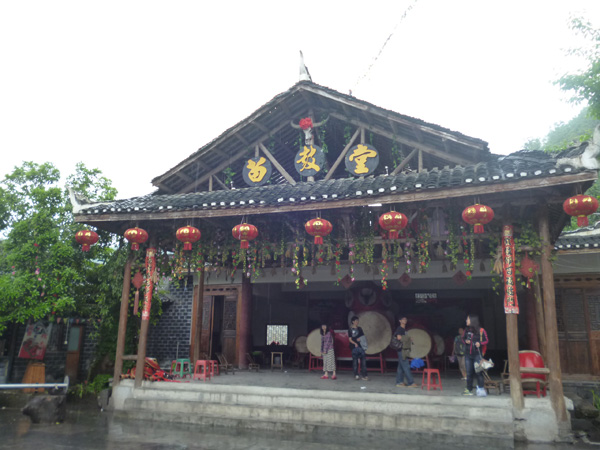
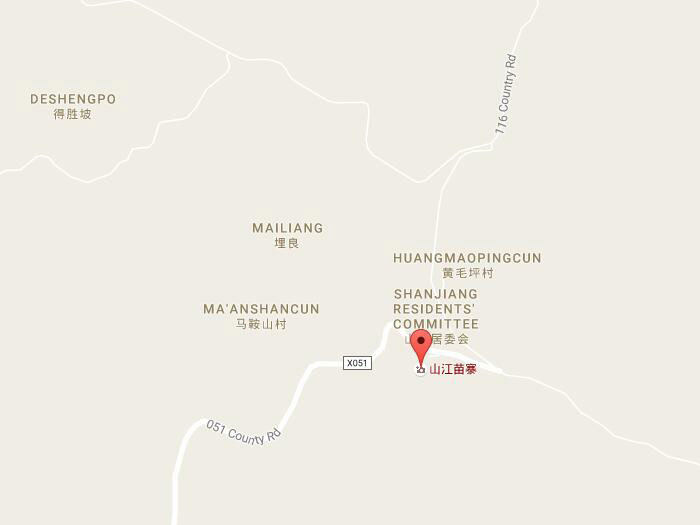
The northwest side of Fenghuang, Jishou City, Hunan Province.
Village with Miao ethnic customs and characteristics.
Shanjiang Miao Village (Chinese name: 山江苗寨) is located in the northwest side of Fenghuang, 20km away from the ancient town, Hunan Province, China. Lying in a narrow valley, ethnic people in Shanjiang Miao Village still keep the original lifestyle and customs in this modern time.
Some people say if you miss to visit Shanjiang in Fenghuang, you will regret in your lifetime. Because of the unique Miao ethnic culture, you can have an exotic experience by visiting this village. Colorful Miao ethnic cloth, silver bracelaces and necklaces, all these dressing characters are special in the world.
The Miao people have lived in the mountains of western Hunan for generations. Due to the remote geography and frequent conflicts in ancient times, Shanjiang developed unique defensive and cultural characteristics. Historically, the central government often attempted to control this region, so the Miao built blockhouses (also known as “diaojiaolou” on stone foundations) to protect themselves.
These blockhouses were both homes and fortresses — two stories high, with the ground floor made of stone and the upper floor built of mud or wood. Narrow windows were designed for observation and shooting, while the thick outer walls and stone gates offered strong protection. Surrounding the entire settlement is a defensive wall about 4 to 5 meters tall.
Although the times of conflict are long gone, these architectural features remain, giving Shanjiang Miao Village a distinctive, fortress-like charm rarely found elsewhere in China. Walking through the old lanes and seeing these ancient buildings is like traveling back hundreds of years.
One of the most striking things about Shanjiang Miao Village is its people’s traditional attire. The Miao women are known for their brightly embroidered clothes and exquisite silver ornaments. Silver bracelets, earrings, and large necklaces shine brilliantly under the sunlight, symbolizing beauty, luck, and protection from evil spirits.
Each family passes down its own embroidery patterns — dragons, phoenixes, butterflies, and flowers — which all carry symbolic meanings related to nature and prosperity. Visitors can often see local women sitting by the door, hand-stitching colorful designs or polishing silver jewelry. Many of these handmade items are available for purchase, making them meaningful souvenirs of your journey.
The village is also known for traditional batik and weaving, where natural dyes are extracted from plants and used to color fabrics. Watching these crafts being made is both educational and mesmerizing — an opportunity to appreciate the artistry of the Miao people and their deep connection to nature.
Life in Shanjiang Miao Village still follows the rhythm of the seasons. In spring and autumn, villagers farm, harvest, and hold community gatherings. Every household is hospitable, and it is common for visitors to be invited to taste Miao rice wine, sticky rice, or smoked bacon during festivals.
Miao people are famous for their music and dance. When festivals come, the whole village transforms into a stage — drumbeats echo through the mountains, and people of all ages join the Lusheng dance, a traditional performance featuring bamboo reed pipes. The lively songs and colorful costumes create an atmosphere full of vitality and joy.
Hospitality is a key part of Miao culture. Guests are greeted with a “wine gate” ceremony, where villagers stand in two rows offering rice wine to welcome visitors. Refusing the drink is considered impolite — so raise your glass and share a toast to friendship!
The best time to visit Shanjiang Miao Village is during its traditional festivals. These are the moments when Miao culture shines brightest, with grand celebrations that combine music, dance, costume parades, and delicious local food.
1. April Fair Festival (四月八集市)
Held in April, this is one of the most important festivals in the region. It is a lively market fair and cultural gathering where Miao people from surrounding villages come to trade goods, perform traditional dances, and celebrate springtime.
2. Miao Valentine’s Day (苗族情人节)
Celebrated on the 8th day of the 4th lunar month, this romantic festival allows young Miao men and women to express affection through songs and gifts. Traditional love songs fill the air, and couples exchange handkerchiefs and embroidered belts as tokens of love.
3. June Honest Festival (六月六歌会)
Taking place on the 6th day of the 6th lunar month, this is a grand festival of singing and gratitude. Villagers gather in open fields to sing folk songs, play the Lusheng, and pray for good harvests. It’s also a time to honor ancestors and share festive food.
4. Folk Song Festival (苗族歌会)
Also celebrated in summer, this event attracts folk singers from nearby Miao communities. Competitions of antiphonal singing — where groups answer each other’s verses — showcase the poetic beauty of Miao language and the deep emotions behind every song.
Best Time to Visit: Because it is a Miao village, the time to visit this village can be festival period. During these periods, visitors can see Miao ethnic songs and dances, and be involved in their parties and activities.
Entrance Fee: Around 50 RMB (subject to change).
Transportation: Take a bus or car from Fenghuang Ancient Town — about 30 to 40 minutes’ drive (20 km).
Recommended Duration: Half a day to one full day.
What to Bring: Comfortable shoes for walking on stone paths, sunscreen, and a camera to capture the vivid scenes.
From $ 438
From $ 451

 English