Your China & Yunnan Travel Experts

 Ask a Question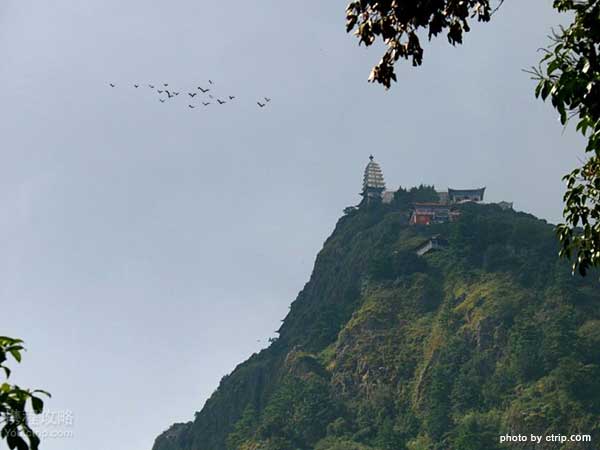
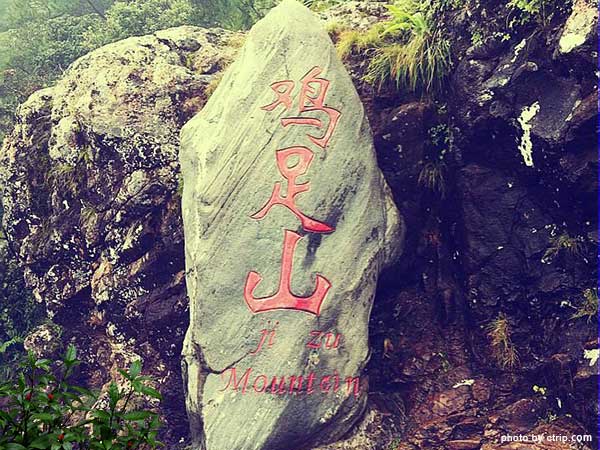
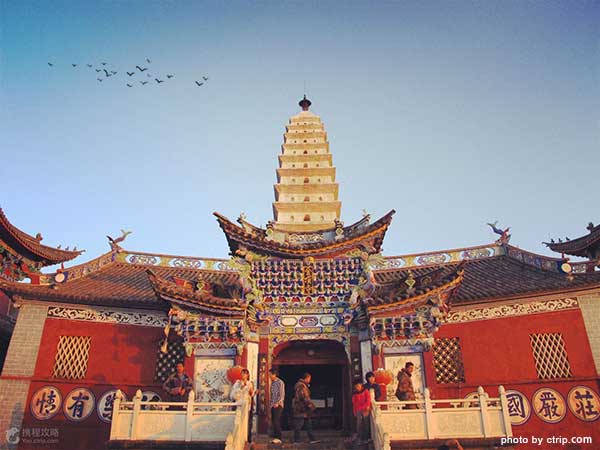
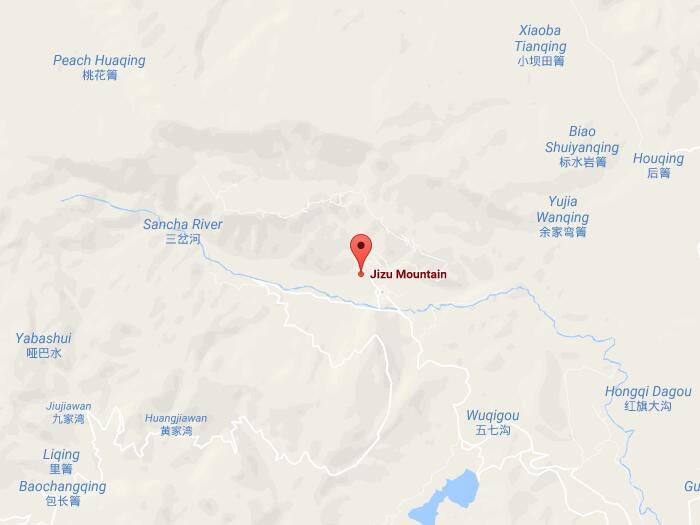
west of Bingchuan Town, Dali Bai Ethnic Autonomous Prefecture.
Famous Buddhism temple in China.
【Huashou Gate (Huashoumen)】
Huashou Gate, known as “China’s No. 1 Gate”, sits at an altitude of about 3,100 meters. The natural stone gate rises straight up like a cliff wall, where wild monkeys and temple-raised roosters are sometimes seen wandering. It is said that when devout Buddhist pilgrims kneel and press their ears to the gate, they can faintly hear the sound of wooden fish and chanting from within. Beneath the gate flows a spring called “Tears Spring” (Yanlei Spring). According to legend, when the Buddha’s disciple Kassapa (Kasyapa) entered meditation through Huashou Gate, two monks who failed to follow him wept in regret, and their tears formed the spring. Locals believe the water can help cure eye diseases, and thus it is also known as “Eye Medicine Spring.” In front of the gate, cushions are sometimes placed for visitors to rest or meditate, and free vegetarian food and water are offered to travelers to regain strength for the mountain journey.
【Kassapa Hall (Jiaye Hall)】
Located below Huashou Gate on the eastern slope of Tianzhu Peak, Kassapa Hall holds an important position among all the temples on Jizu Mountain. It is honored as “the first temple on the mountain” and “the ancestral temple of all temples on Jizu Mountain.” In front of the hall, a long, steep stone staircase rises upward like a heavenly road.
At the rear of the hall stands a large flat rock under an old tree, called “Pantuo Rock” or “Meditation Rock.” According to legend, Kassapa, the founder of Jizu Mountain, once entered deep meditation here for 500 years before moving into Huashou Gate to continue his enlightenment. The hall was thus named in his honor.
【Fangguang Temple】
Fangguang Temple got its name from one of Jizu Mountain’s Eight Famous Sights — “Buddha Light on Tianzhu Peak.” It follows a Southeast Asian Theravada-style architectural layout, filled with elegance and tranquility. The temple mainly practices the Avatamsaka Sutra and the Infinite Life Sutra. From the archway and liberation pond to the scripture pavilion and pagoda, every detail shows refinement and serenity. Surrounded by lush bamboo forests and quiet streams, the sound of chanting and temple bells drifts gently in the wind, creating an atmosphere of peace and purity.
The temple also offers delicious vegetarian meals at noon (reservation required, donation-based). At the reception hall, visitors can find Buddhist scriptures available for free distribution.
【Xuyun Temple】
Xuyun Temple is located in front of Ziyun Peak, above Wanshou Nunnery, surrounded by verdant mountains. It was rebuilt on the former site of Dajue Temple to commemorate the great Zen master Xuyun. This temple served as the center of Xuyun’s Buddhist practice and teaching on Jizu Mountain, bearing witness to his efforts in reviving Chan Buddhism and reforming the monastic community in modern times.
The temple is embraced by ancient cypress and pine trees, with a Ming Dynasty imperial plum tree whose white blossoms contrast beautifully with the red walls. Beneath it, clusters of golden spider lilies bloom, creating a serene Zen atmosphere of “humility and enlightenment.” The three main halls ascend along the mountain slope, and behind the Mahavira Hall stands a memorial hall dedicated to Master Xuyun. In the courtyard lies a Guanyin Pond, symbolizing purity and compassion — a fitting reflection of the temple’s tranquil and spiritual aura.
From Dali
Scenic Shuttle Bus:
There is a direct shuttle bus from the South Gate Tourist Center of Dali Ancient Town to Jizu Mountain. The bus departs at 8:30 a.m. and goes directly to the mountain gate. Return buses depart at 4:30 p.m. (from Zhusheng Temple) or 4:00 p.m. (from the mountain gate).
Ticket price: ¥85 per person (round-trip transportation only, entrance fee not included).
By Car or Private Hire:
The drive from Dali to Jizu Mountain takes about 1.5 hours. During the peak season, private cars may need to transfer to scenic shuttle buses at the mountain gate, while in the low season, vehicles can usually drive directly to the Zhusheng Temple parking lot.
Entrance Ticket: ¥55 per person
Scenic Shuttle Bus: ¥15 per person (one way)
Cable Car: ¥45 for uphill / ¥30 for downhill
1. One-Day Trip
Cable Car Up + Hike Down:
Route: Zhusheng Temple → Upper Shuttle Bus → Cable Car → Jinding Temple → Huashou Gate → Kassapa Hall → Huideng Nunnery → Xuyun Temple → Shizhong Temple → Zhusheng Temple Parking Lot.
This route is ideal for energetic travelers who wish to experience both the scenic ride and the joy of hiking, allowing for a deeper exploration of the mountain’s main attractions.
Full Cable Car Route:
Route: Zhusheng Temple → Upper Shuttle Bus → Cable Car → Jinding Temple → Huashou Gate → Cable Car Downhill.
This route is perfect for visitors who prefer a relaxing trip or are traveling with children or elderly people, offering quick access to the summit and panoramic views without strenuous hiking.
2. Multi-Day Trip
For those with more time, staying overnight on the mountain is highly recommended. Visitors can watch the sunrise and sea of clouds the next morning, a truly unforgettable sight.
Recommended accommodations: Guesthouses near Jinding Temple or inns along Xianghui Street near Zhusheng Temple.
From $ 333

 English