Your China & Yunnan Travel Experts

 Ask a Question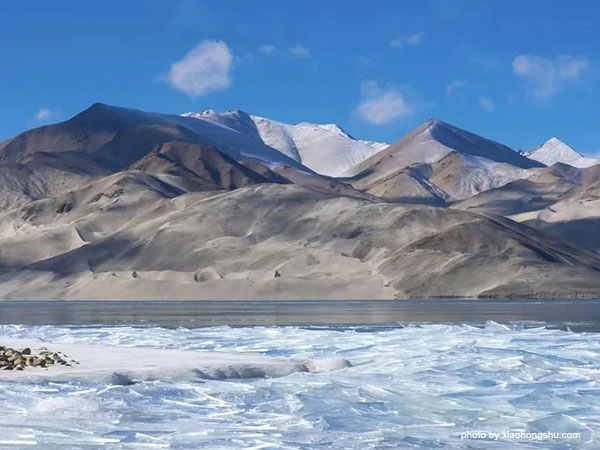
Habahe County, Altay, Xinjiang, China
a picturesque destination for photography lovers
Location: Burqin County, Altay Prefecture, Xinjiang
Near: Kanas Scenic Area (same general region, but not inside the Kanas park)
Landscape: Desert + lake + poplar forest (very different from the Tashkurgan one)
Baisha Lake, also known as White Sand Lake, is surrounded by sand. It is named White Sand Lake because of the yellow and white sand dunes on the lakeside. Baisha Lake is located in Habahe County, 108km away from Habahe County. It is a small lake surrounded by sand dunes, with tall and dense mixed forest belts and dense reeds growing in the center, shore and around the lake. It is known as the "sacred spring of the desert" and is a freshwater lake in the north of Gurbantunggut Desert, the second largest desert in China. Baisha Lake is located in the desert, without inlet or outlet, but the water in the Baisha Lake does not increase or decrease due to seasonal changes, which is called a wonder. There is a great contrast between the climate and ecological environment in the center, shore and periphery of the lake, and the various vegetation and semi-arid shrub vegetation growing here are another magic part of Baisha Lake.
To get to Baisha Lake, you typically need to first reach Burqin County or Altay City, then transfer to local transportation to enter the lake area.
Departing from Burqin County is the most convenient option, covering a distance of approximately 70-80 kilometers. Chartering a private car or sharing a ride is the most common and hassle-free method, taking about one to two hours. The route primarily follows the highway heading toward Kanas, featuring good road conditions as the scenery gradually transitions from urban areas to sand dunes and grasslands.
For self-drivers, the route is straightforward with stable summer road conditions, offering high flexibility ideal for those wishing to stop freely for photos. Rural buses can also reach nearby areas, but passengers must disembark at a junction and walk or hitchhike further—a time-consuming and physically demanding option less suitable for first-time visitors.
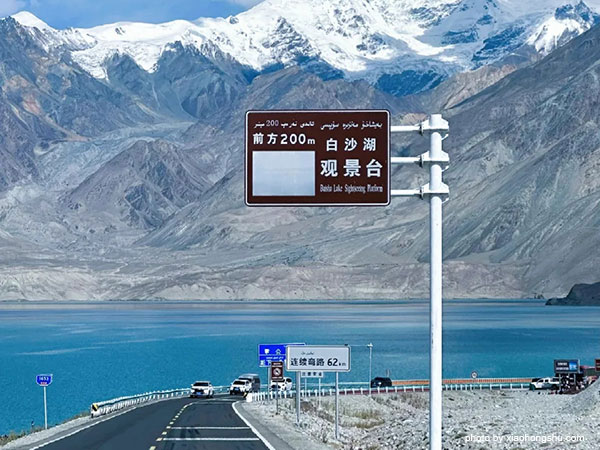
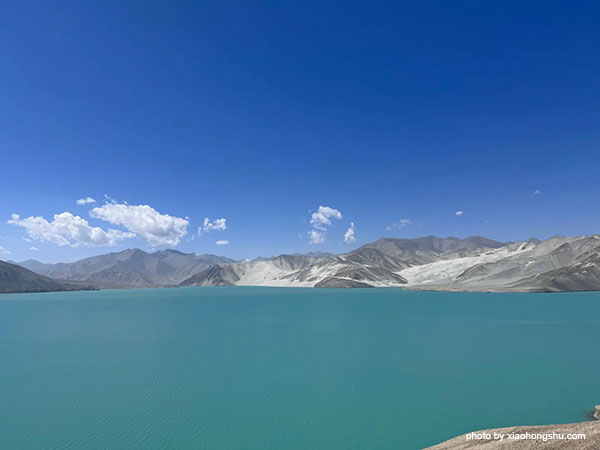
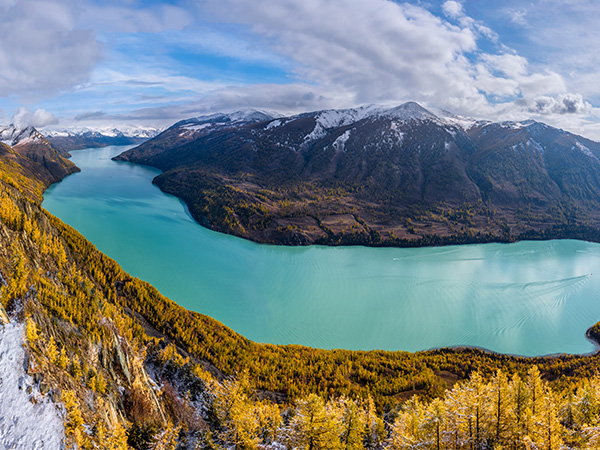
In 2010, a Cantonese photography lover came to visit Habahe County, whose photos of Baisha Lake soon became popular and attracted many photography lovers from all over China to Baisha Lake. The road sign of Baisha Lake Viewing Platform is a popular photographing point near Baisha Lake. And there are two viewing platforms at Baisha Lake in the north and south of Baisha Lake. The blue lake, white sand mountain and snow mountains in the distance compose of a beautiful picture. Once you come to Baisha Lake by yourself, you will know the beauty of it. In winter, the water of Baisha Lake is frozen, which is also beautiful and impressive.
Mingsha Mountain is close to Baisha Lake. Mingsha Mountain is 95 kilometers away from Habahe County, with a height of about 25 meters. It consists of six sand mountains, about 2 kilometers long and 100-200 meters wide. The sands are soft and clean. The temperature in sand mountain is high in summer, which can reach 40-60℃ at noon, which is really hot. Climbing the sand mountain is one of the popular things to do at the Mingsha Mountain. At the top of the Mingsha Mountain, you can have a panoramic view of the surrounding landscapes. Sandboarding is also worth trying at the Mingsha Mountain. Sliding on the sand mountain must be interesting and exciting.
Lakefront Strolls and Scenic Views
Exploring White Sand Lake centers on natural scenery. Visitors can leisurely walk along the shoreline, admiring the unique landscape formed by white sand dunes, clear lake waters, and grasslands. The expansive lakeshore allows you to experience environmental shifts and light effects along the way. There's no need to rush through a fixed route—maintain a relaxed and comfortable pace throughout your visit.
Dune Overlooks and Panoramic Views
The iconic white sand dunes extend directly to the lakeshore. Visitors may slowly ascend dunes in designated areas to overlook the lake and surrounding grasslands from elevated vantage points. Distant forests and snow-capped peaks often frame the backdrop, adding depth to the landscape. Shifting light creates rich visual layers, making these spots ideal for photography and scenic appreciation.
Gentle Meadow Hikes and Close-Up Observations
The lake's surrounding meadows slope gently, perfect for light hikes or short strolls. Walking along natural paths allows close observation of the lake's clarity and the dunes' intricate textures. Quiet sections provide ideal spots to pause for rest, photos, or simply soak in the natural ambiance, offering an immersive experience.
Pristine Experience and Environmental Immersion
Bai Sha Lake remains largely undeveloped with limited commercial facilities, preserving its natural character. Visitors distinctly feel the expansive openness of the lake, dunes, and grasslands—a stark contrast to crowded tourist destinations. This low-impact environment delivers a purer experience for photography enthusiasts, nature lovers, and those seeking relaxation.
Lake Reflections and Light Play
On clear, windless days, the lake surface mirrors the sand dunes, grasslands, and sky with crystal-clear, layered reflections. Cloudy weather introduces dynamic cloud formations, enriching the visual landscape. Dawn and dusk offer particularly ideal lighting for photography and contemplative viewing, marking the prime times to experience the natural scenery.
The best time to visit Baisha Lake is from June to September each year. Summer and early autumn offer relatively stable weather, clear lake water, and a striking contrast between the sand dunes and grasslands. Early morning and late afternoon are the best times to visit, with soft light and excellent reflections on the lake surface. Autumn sees fewer tourists, creating a more tranquil atmosphere.
Baisha Lake is usually not a standalone full-day destination; it's better suited for a combined visit with surrounding attractions.
Common routes include:
Burqin → Baisha Lake → Wucaitan (one day)
Baisha Lake → Kanas / Hemu (chartered car or self-driving)
This approach avoids an overly packed itinerary while allowing you to fully experience the diverse landscapes of Northern Xinjiang.
From $ 521
From on request
From on request

 English