Your China & Yunnan Travel Experts

 Ask a Question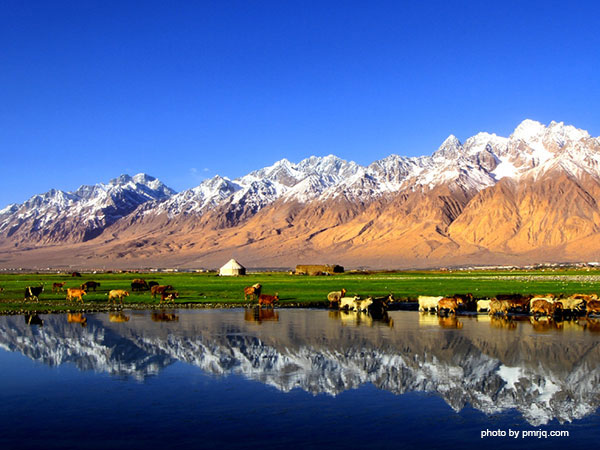
Taxkorgan, Tajik County, Xinjiang, China
Picturesque grassland near the Stone City
Located in the east of Taxkorgan, Alar Jincaotan Wetland is a wetland on the Pamirs Plateau. Jincaotan means golden grassland in Chinese. Under the sunshine of the sunset, the grasslands and river at the Jincaotan Wetland are golden and impressive, hence the name. The Taxkorgan River flows through the Jincaotan Wetland, which adds the beauty of the Jincaotan Wetland.
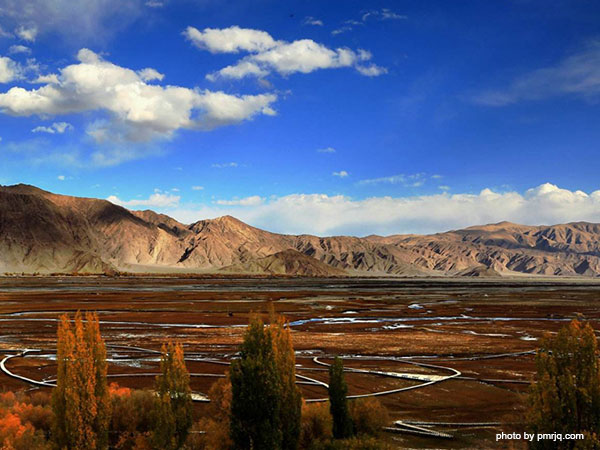
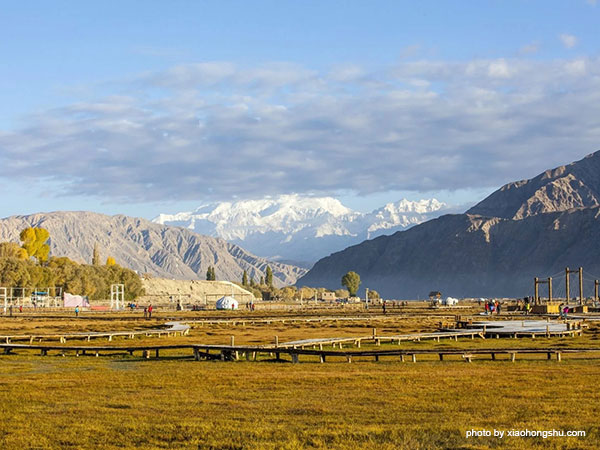
Jincaotan Scenic Spot, Alar National Wetland Park in Pamirs of Xinjiang, is a swamp meadow with an altitude of 3,100 meters. In summer, Alar Wetland is a green meadow. In autumn, the vegetation of the wetland also turn yellow, and under the sunshine, it seemed to be covered with a golden light, hence the name Golden Grassland. In winter, Alar is a snow field wrapped in white, which is even more beautiful.
In the middle of the Alar Wetland, there is a meandering river, Tashkurgan River, the mother river of Tashkurghan County. It originates from the junction of Xinjiang and Afghanistan, flows through Tashkurghan County and Akto County, and flows into the Yarkant River at the two estuaries in Akto County, with a total length of 298 kilometers. It is the main tributary of the Yarkant River.
1. Vast Grassland Scenery
In summer and autumn, the golden grasslands of Alar take on a golden hue. The undulating grasslands stretch endlessly, resembling a boundless golden ocean. In the distance, herds of cattle, sheep, and horses dot the landscape, creating a vivid scene. The grass sways in the wind, creating a rhythmic, wave-like motion, and glistens with golden light under the sun. The open, unobstructed vistas of the grasslands evoke a sense of nature’s grandeur and freedom, making them ideal for horseback riding, hiking, or photography. The vast sense of space also lifts the spirit, making one feel as though they have become one with the heavens and earth—a quintessential representation of the grassland scenery of Northern Xinjiang.
2. Sunrise and Sunset
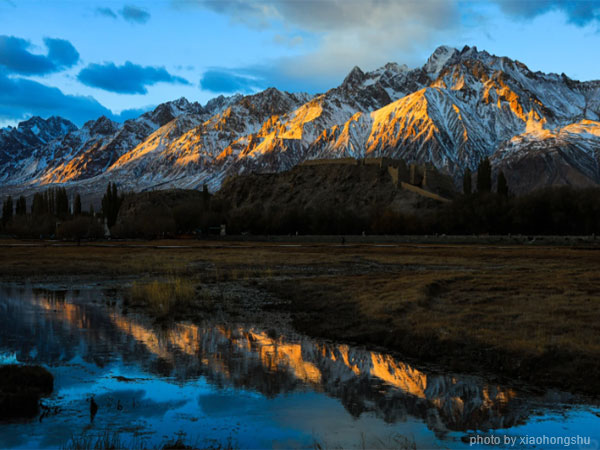
Sunrises and sunsets on the grasslands are true visual feasts. In the early morning, a light mist shrouds the grasslands; as the sun rises, golden light filters through dewdrops onto the tips of the grass, sparkling like diamonds. At dusk, the setting sun paints the grasslands in a gradient of orange-yellow to golden-red, with long shadows stretching across the landscape, adding depth and dimension. The interplay of colors between the sky and the grasslands creates a scene reminiscent of a painting. The shifting light and shadows imbue the grasslands with a beauty that is both gentle and majestic, making it an ideal time for photography and sketching. The tranquil atmosphere at sunset immerses visitors in the poetic flow of nature and time.
3. The Horizon and Clouds
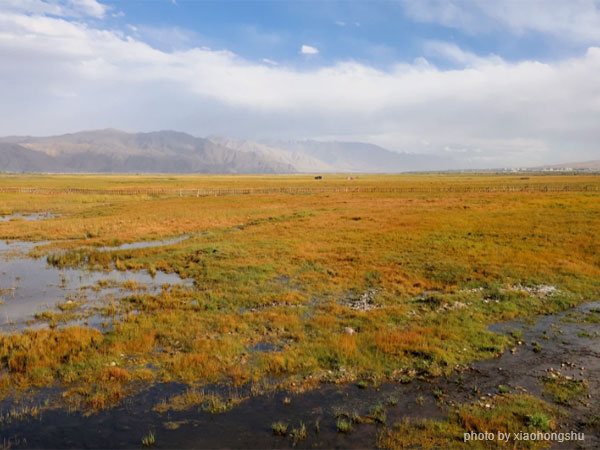
The Alar Grasslands offer an exceptionally wide-open vista, with virtually no obstructions between the sky and the earth, forming a magnificent horizon. On clear days, white clouds roll across the azure sky, casting dappled light and shadow that adds a sense of dynamic beauty to the golden grasslands. Occasionally, one can gaze into the distance at rolling mountain ranges or sand dunes, creating a sense of undulating depth. The vastness of the grasslands echoes the boundlessness of the sky, allowing visitors to feel the grandeur of the universe while bringing a sense of spiritual relaxation and freedom. When photographing, the contrast between sky and earth easily creates a stunning visual effect.
4. Folk Customs and Herders’ Lives
The grasslands offer not only natural scenery but also preserve a rich nomadic culture. Herders’ yurts are scattered across the grasslands, with herds of cattle and sheep, and herders riding horses to herd sheep on the grass. Local herders wear traditional ethnic attire, showcasing their traditional way of life. Participating in herders’ activities allows visitors to experience nomadic customs such as archery and horseback riding. The folk scenes on the grasslands complement the natural landscapes, creating a blend of movement and stillness that conveys the harmonious coexistence of humanity and nature, while also offering rich cultural and photographic subjects.
5. Flowers, Grasses, and Wildlife
In the summer, wildflowers dot the golden grasslands, adding colorful details to the sea of gold. The grassland ecosystem is rich, and one may occasionally spot wild rabbits, foxes, herds of deer, and various bird species. Morning dew and gentle breezes bring the flora to life, creating a natural ecological tableau. Animals moving across the grasslands add a sense of dynamism, preventing the scenery from becoming monotonous. Such landscapes are not only beautiful but also embody the primal vitality of the grassland ecosystem, making it an ideal destination for nature observation, ecotourism, and photography.
6.Winter Grassland Scenery
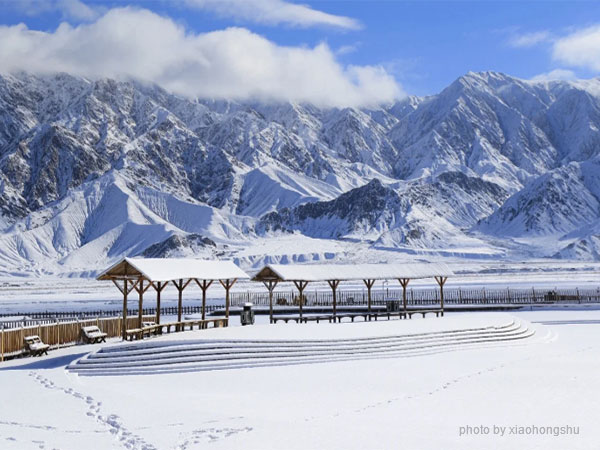
In winter, the Alar Grassland is covered in a blanket of white snow, the vast expanse resembling a pristine white carpet. A cold wind blows, and snowflakes dance in the air, adding a layer of crystalline romance to the grassland. The distant mountains and herders' yurts are tinged with pale blue or grayish-white by the snow, creating a tranquil and profound sense of depth. Occasionally, hoofprints of horses or cattle can be seen leaving marks on the snow, adding a touch of liveliness to the serene winter landscape. Under the winter sun, the snow glitters, and the entire grassland becomes a pure and peaceful fairytale world, offering a solemn yet warm experience to the soul.|
Stone City
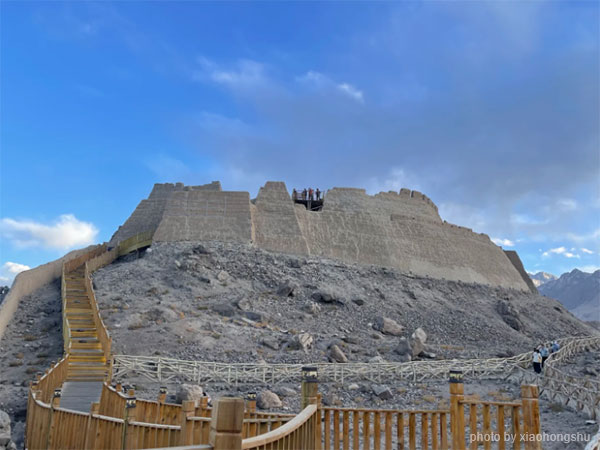
The Stone City is near the Jincaotan Wetland. You can take some while to visit the Jincaotan Wetland if you plan to visit the Stone City, an important attraction on the Pamirs Plateau. The Stone City is located in the north of Tashkorgan County. It is one of the most famous stone towns in the world. Stone City is a castle built by stones. The Stone City is built on a 20-meter hill on the left bank of Tashkurgan River. Although the Stone City is now in ruins, it is in the track of the road of the communication between the East and the West in history, and many Chinese and foreign historical celebrities have stopped here since ancient times. At the Stone City, you can know about the architectures, the ancient kingdom and Buddhism.
1. Get up early and head to the Golden Grassland to witness the sunrise over the golden grassland. The sunlight bathes the grass tips, making the entire grassland seem ablaze with light—a breathtakingly beautiful sight.
2. We recommend exploring on foot. Hike along the edge of the Golden Grassland, venturing deep into the heart of the grassland to experience the tranquility and grandeur of nature. Along the way, you can photograph the snow-capped mountains, grasslands, and grazing cattle and sheep, capturing these unforgettable moments.
If possible, we can arrange a visit to a local herder's family beforehand to learn about their lifestyle and traditional culture, and taste authentic pastoral cuisine, such as hand-pulled mutton and milk tea, experiencing the unique charm of the highland pastoral area.
1. The Pamir Plateau has a high altitude, and some tourists may experience altitude sickness. We recommend preparing in advance and bringing necessary medications, such as Rhodiola rosea and oxygen cylinders.
2. Autumn temperatures on the plateau are low, with significant temperature differences between day and night. Bring sufficient warm clothing to prevent catching a cold.
3. During your visit, please respect the customs and traditions of the local herders and do not damage the grassland ecosystem.
From $ 521
From on request
From on request

 English