Your China & Yunnan Travel Experts

 Ask a Question
Xian worked as capital of 13 dynasties in Chinese history, but most famous in Tang Dynasty. Besides, Xian is also regarded as one of the Four Ancient Capitals in the world. As an ancient capital of China, Xian is a more historical and cultural city than other cities, such as Shanghai, Guilin, Chengdu. When you visit to Xian, what cultural activities to do might be your questions. We’ve picked out some classic cultural experiences and newly introduced activities for 2026 to give you a better idea of what you can enjoy in this historic city.
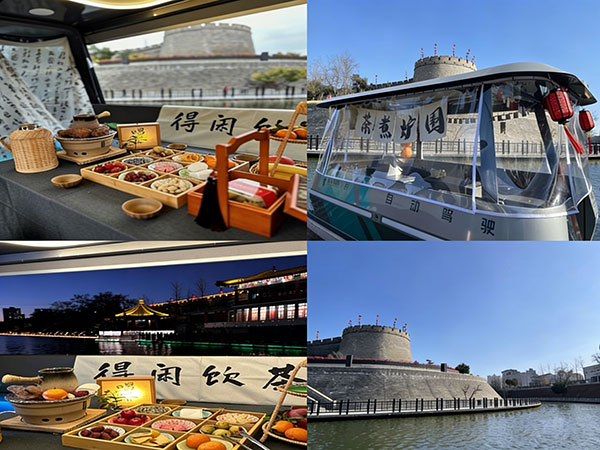
One of the most relaxing and culturally immersive activities in Xi’an is taking a traditional-style boat cruise along the moat surrounding the Ancient City Wall. Unlike crowded daytime sightseeing, this experience allows travelers to slow down, enjoy tea, and admire the Ming-era fortifications from a unique water-level perspective.
The boat ride usually lasts about 30 to 50 minutes, depending on the package selected. While drifting along the calm water, you can appreciate the contrast between the ancient city wall and the modern city skyline beyond it. Tea and light snacks are served on board, creating a peaceful atmosphere that reflects the elegance of traditional Chinese leisure culture.
This activity is especially suitable for couples, small groups, or travelers looking for a quiet cultural moment after a full day of sightseeing. It is also an excellent choice in the late afternoon or early evening, when the city wall is beautifully lit and the temperature is more comfortable.
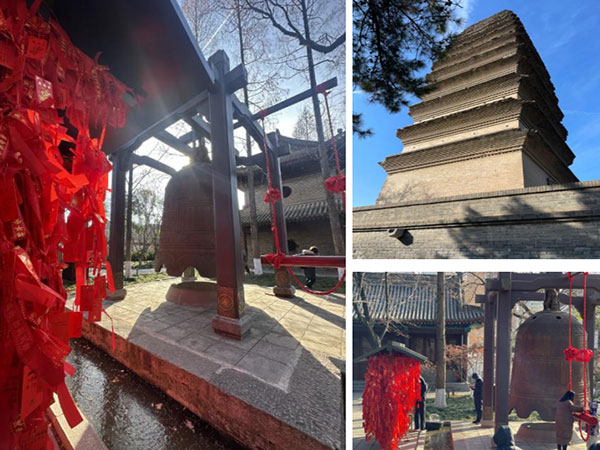
Located within the historic Small Wild Goose Pagoda complex, the bell-ringing blessing ritual is a meaningful cultural activity rooted in Chinese Buddhist traditions. Visitors are invited to strike the ancient bell three times, each ring symbolizing wishes for peace, health, and good fortune. For cultural travelers, this is a gentle and respectful way to engage with local beliefs and traditions, even without prior knowledge of Buddhism.
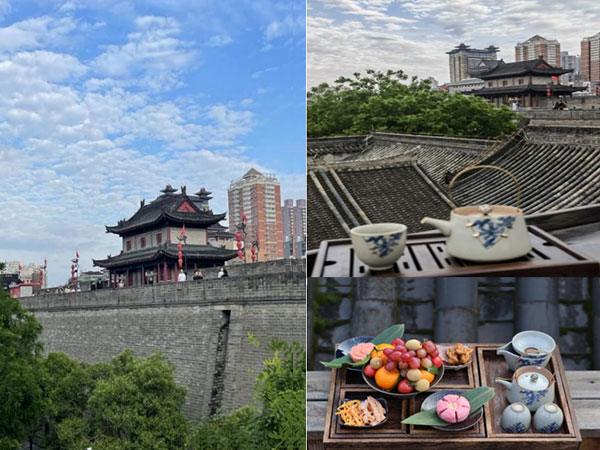
For a more modern interpretation of traditional culture, visitors can enjoy a relaxed afternoon tea experience at a terrace beneath the Ancient City Wall. Sitting in a courtyard or guesthouse rooftop, travelers can sip Chinese tea or coffee while gazing at the historic bricks and watchtowers that have guarded Xi’an for centuries.
It is an ideal cultural pause for travelers who want to slow down, take photos, and experience Xi’an beyond museums and monuments.
Xi’an, once known as Chang’an, was the heart of the Tang Dynasty. Wearing Tang-style costumes or traditional Hanfu and strolling through the ancient city is one of the most popular immersive cultural activities for visitors today.
After professional styling and light makeup, travelers can walk through historic streets, take photos near the city wall, or visit nearby cultural districts while dressed as ancient scholars, noble ladies, or court officials. This experience helps visitors visually and emotionally connect with Xi’an’s glorious past.
Shuyuanmen Pedestrian Street is one of the best places in Xi’an to experience traditional scholarly culture. This historic street is famous for calligraphy, paintings, antique shops, and art studios, making it a paradise for culture lovers.
There are two main antique markets here: one located directly on the main street, and another hidden in a sunken market area nearby. Visitors can browse ink stones, brushes, seals, old books, jade items, and folk artworks while observing local artists practicing calligraphy on the street.
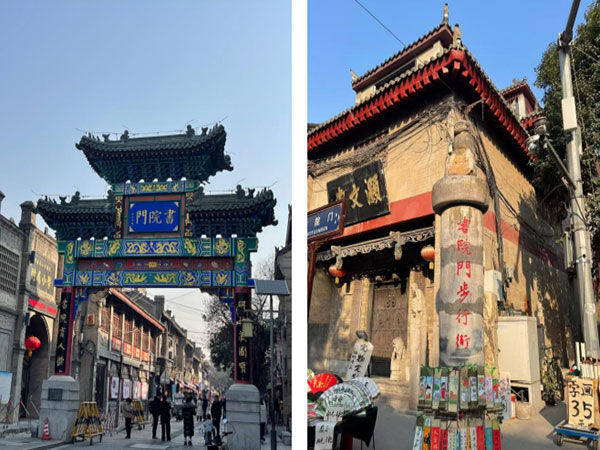
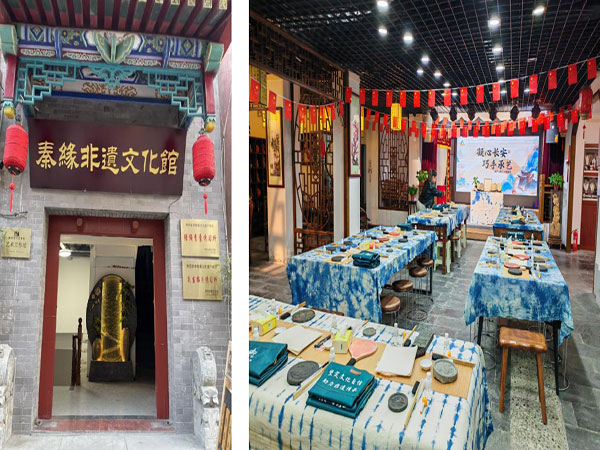
For travelers who want hands-on cultural learning, the Qin Yuan Intangible Cultural Heritage Center offers immersive workshops officially certified and led by professional artisans. These activities allow visitors to create traditional crafts with their own hands while learning about their historical background.
Popular experiences include Chinese calligraphy, roof-tile rubbing (Wadang rubbing), traditional paper cutting, woodblock New Year prints, cloisonné enamel art, gold-leaf painting, Qin-style inner painting, and traditional knotting with lacquer beads. Each session usually lasts one to two hours and is suitable even for beginners.
These workshops provide deep insight into Chinese craftsmanship and are especially valuable for travelers who want to bring home not just souvenirs, but skills and memories connected to Xi’an’s living heritage.
Since 1990, the Xian Ancient Culture and Art Festival is held every September. And in 1998, this activity added the contents of Xian Tourist Festival, aiming to convey the Chinese culture and spirits.
Xian Ancient Culture and Art Festival
•Program of the Festival
1. Imperial Gong and Drum Program
This program includes many traditional Chinese performances, such as stilt-walking, lion dances, dragon dance and acrobatics.
2. Imperial Firework Ceremony
A glorious spectacle of fireworks blooming in the night sky
3. Shehuo (folk festive activities)
Shehuo is a unique Chinese traditional activity only found in Xian and is a very popular event which can be traced back to the 'imitating animal plays' and 'village rituals to exorcize evils and diseases' in primitive society.
4. Large-scale Art Performance
This performance is a colossal re-enactment illustrating the glorious days of the Tang Dynasty and a depiction in summary of the historical significance of the Silk Road.
5. Exhibition for Folk Art Works
In this exhibition, tourists will see many specialties of Xian, including folk paper-cuts, tri-colored glazed pottery of the Tang Dynasty (Tangsancai) and scale models of soldiers in of the Qin Terracotta Army, etc.
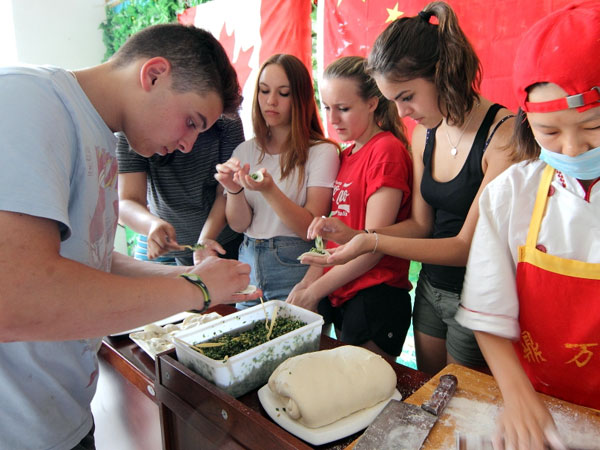
Chinese dumplings (Jiaozi 饺子) may be divided into various types depending on how they are cooked, such as the boiled dumplings, steamed dumplings and dry-fried dumplings. It is one of the favorite snacks in China. People have a custom to eat dumplings in traditional Chinese New Year in North China. Xian is famous for pasta in China. Therefore, it is a good chance to learn traditional Chinese dumplings when you travel to Xian.
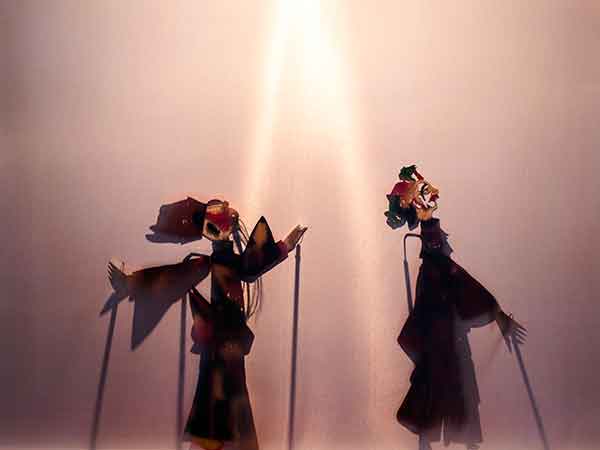
With the melody of the unique Shaanxi local music, Guanzhong Leather-silhouette Show fully expresses the North China art. The life-like figures in this show tell you many stories that happened or might happen in the past Shaanxi.
The shadow of the figure is projected on the screen. Artists control the figures and move them as a real human. It is a very interesting show to enjoy and the audiences at home and abroad are all speak highly of this art performance. And classical works of Guanzhong Leather-silhouette Show are tow dramas, namely Princess Wencheng Enters Tibet and Imperial Concubine Yang.
•The Spirit behind the Show
This folk art is priceless value. Choose to see the Guangzhong Leather-silhouette Show in Xian will gain your knowledge of the Chinese culture, especially the culture lies in this nation. This intelligent and tough group through the play tells audiences how they struggle with the life, how they fight for their own rights and how they battle with the ruler group.
Ancient City Wall in Xi'an is a landmark of this city. The Welcome Ceremony which is held here can be a highlight activity if you would like to get touch with the culture of Xian.Performers who wear Tang-style dresses will re-show the welcome ceremony to the emperor in the ancient time.
The fortifications of Xian are one of the oldest and best preserved Chinese city walls. Its North Gate was for receiving and seeing off guests during the Tang Dynasty; it was also the gate for vassal states in the north to acknowledge their allegiance to the central government; therefore it was called the first gate all over China at that time. The ceremony presented at the gate is a faithful re-enactment of a classical welcoming ceremony in the style of Tang Dynasty. It is made up of five parts, namely Ying (welcome), Bai (pay respects), Ci (bestow), Yan (entertain), Song (see-off). It comprehensively illustrates not only the essence of the Tang-Dynasty-style etiquette but also the dimension and complexity of Chinese culture.
Ceremony at the Ancient City Wall
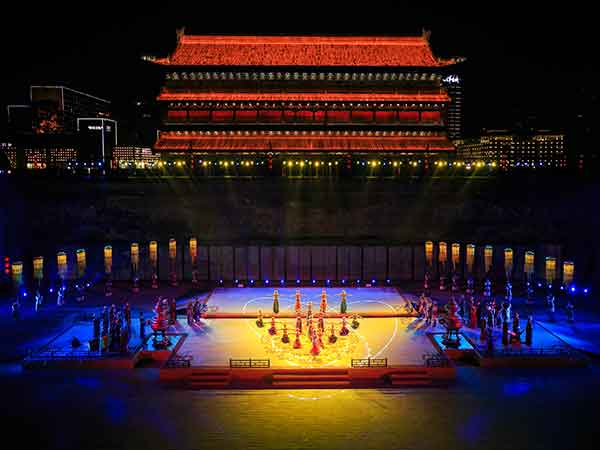
•Imitating Welcome Ceremony of Ancient Time in South Gate
South Gate also name Yongning Gate, built in the first two years (in 582) of the beginning of Sui dynasty, is the oldest and is used for many times in all of Xi'an city wall gate, meaning protecting for peace. Chang'an city in flourishing period Tang dynasty was the centre of the world's economy, culture and commerce. Imitating welcome ceremony of ancient time is created according to ancient manners and etiquettes. It is in the formation of celebrating by singing and dancing and welcoming followed by royal etiquette to reappear the flourishing period of Tang dynasty. In this majestic Yongning gate, here has welcomed the US President Bill Clinton, Singapore Prime Minister Goh Chok Tong, the queen of Thailand, Chinese international star Jackie Chan……they all start their wonderful journey of ancient city tour from this gate.
•Imitating Welcome Ceremony of Entering Tang Imperial City in North Gate
The North Gate is Anyuan Gate, meaning to pacify the vassal state in north of China make it pay allegiance to Han dynasty regime and it is the gate of welcoming and seeing off the distinguished guest in Tang dynasty. Imitating welcome ceremony of entering Tang Imperial City chose the classic part of Tang greeting etiquette as welcoming form which consist of "welcome", " bow (with hands folded in front)", "bestow", "perform" and "escort" of five important etiquette. It is the essence of welcoming etiquette highly concentrated in welcome ceremony of entering Tang Imperial City; fully demonstrate the great and profound Chinese civilization and etiquette.
From $ 323
From $ 344

 English