Your China & Yunnan Travel Experts


 Ask a Question
As a well-preserved ancient cultural city in eastern Guangdong, Chaozhou is famous for its century-old archway streets, classical Guangji Bridge, authentic Chaoshan cuisine and profound Lingnan culture. Unlike China’s mega tourist hubs with overly complicated transit systems, Chaozhou features a compact, accessible and visitor-friendly transportation network. For international travelers planning a cultural and gourmet trip here, mastering local transportation rules is the key to a smooth, time-saving and cost-effective journey. This practical guide breaks down all inbound and local transportation options in Chaozhou, covering highways, railways, air routes and urban public transport, with targeted emphasis on how to get to Chaozhou andhow to travel around the city, helping you navigate this ancient town like a seasoned local traveler.
Chaozhou boasts a mature and well-connected highway network that links seamlessly with major cities in Guangdong Province and neighboring tourist destinations, serving as a vital ground transportation supplement for self-driving travelers and intercity visitors. The city is traversed by core national and provincial expressways, including the Shenhai Expressway and Chaozhou-Jieyang Expressway, forming a fast highway radiation system covering the entire Chaoshan region.
Intercity long-distance buses provide affordable and flexible travel options for budget travelers. Regular bus routes connect Chaozhou with Guangzhou, Shenzhen, Xiamen, Shantou and Jieyang, with departures every 30 to 60 minutes during peak hours. A one-way trip from Shantou to Chaozhou takes approximately 1.5 hours and costs around 40 RMB, making it ideal for travelers exploring multiple Chaoshan cities in one trip. For cross-city road travel, it is recommended to avoid morning and evening rush hours (7:00–9:00 and 17:00–19:00) to prevent highway congestion and schedule delays.
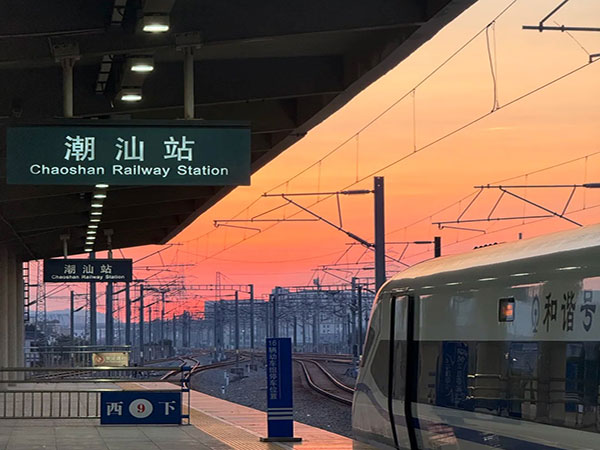
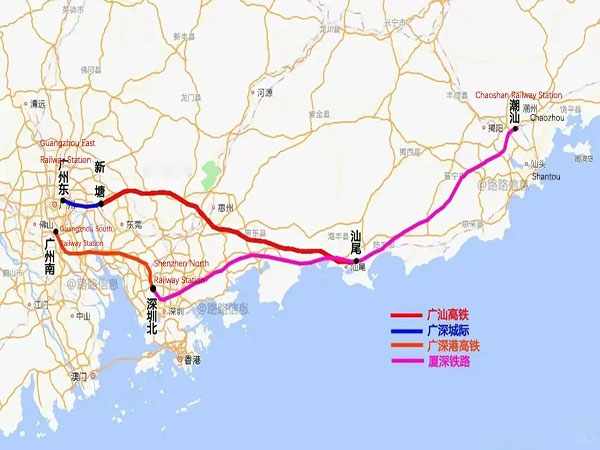
Railway is the most popular and efficient transportation mode for travelers arriving in Chaozhou, consisting of two major railway hubs with distinct positioning: Chaoshan Railway Station and Chaozhou Railway Station, catering to high-speed long-distance travel and regular short-distance travel respectively.
Chaoshan Railway Station is the primary high-speed rail gateway to Chaozhou and the most preferred arrival point for international tourists. As the core high-speed rail hub of the entire Chaoshan region, it connects major domestic cities including Beijing, Shanghai, Guangzhou, Shenzhen, Hangzhou and Xiamen, with frequent daily high-speed train services. Located about 20 kilometers northeast of Chaozhou Ancient City, the station is exclusively for high-speed trains and bullet trains, ensuring fast, punctual and comfortable long-distance travel. A high-speed ride from Guangzhou or Shenzhen to Chaoshan Station takes only 2 to 3 hours, offering huge time advantages over road transportation.
Chaozhou Railway Station is an urban regular railway station situated in the downtown Xiangqiao District, just a 10-minute drive from the ancient city core. It mainly operates ordinary-speed trains for short-distance regional travel. Although it has no high-speed rail services, its downtown location is unbeatable for travelers arriving from nearby cities. After getting off at this station, visitors can reach the archway street and West Lake Scenic Area within 10 minutes by public bus or shared bicycle, eliminating the trouble of long-distance transfers.
Chaozhou has no independent civilian airport, and all air travelers need to use Jieyang Chaoshan International Airport (SWA), the only international airport serving the Chaoshan three-city cluster (Chaozhou, Shantou, Jieyang). This international aviation hub has opened regular domestic and international routes covering major cities in China, Southeast Asia and East Asia, and supports China’s 240-hour visa-free transit policy, bringing great convenience for international transit travelers.
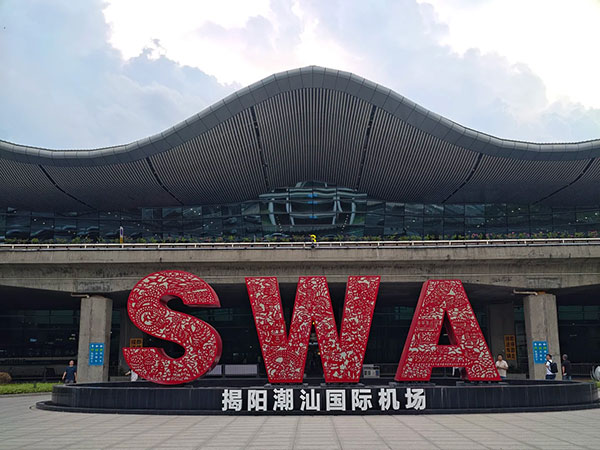
The airport is approximately 35 kilometers away from Chaozhou Ancient City, with a 40 to 50-minute driving distance. Three stable and reliable airport transfer options are available for tourists. First, the official airport shuttle bus is the most cost-effective choice, operating from 6:00 to 21:30 daily with one bus per hour. The terminal stop is Chaozhou Hotel in the city center, with a fare of 14 RMB per person, featuring fixed routes, transparent prices and no hidden charges. Second, online car-hailing services offer door-to-door private transfers, costing 90 to 110 RMB for a direct ride from the airport to the ancient city, perfect for families, groups and travelers with heavy luggage. Third, regular taxis are available at the airport arrival exit, though it is recommended to choose metered rides to avoid overcharging by unregulated private drivers.
Chaozhou’s urban public transportation system is tailored for tourist travel, with simple routes, low fares and high coverage of core scenic spots, fully meeting the daily travel needs of ordinary tourists. City buses are the most basic public transport tool in downtown Chaozhou, adopting a unified flat fare system of 2 RMB per trip. International travelers can take buses easily by scanning mobile payment codes via WeChat or Alipay, with no need to prepare exact cash.
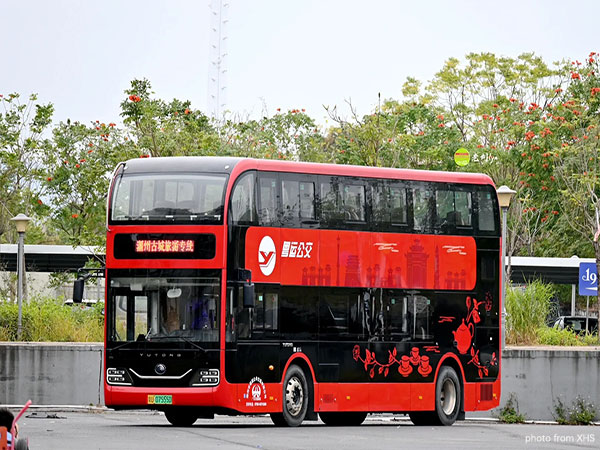
Key bus routes including Line 101 and Line 103 cover almost all core attractions, connecting Chaozhou Railway Station, West Lake Park, Kaiyuan Temple, Paifang Street and Hanwen Public Shrine. Buses run every 20 to 30 minutes from early morning to evening, with stable operation. In addition, the city has opened dedicated tourist bus lines, including inner-city loop lines and east-west trunk lines, priced at 5 RMB per single ride. These tourist buses allow passengers to hail and board at any roadside stop and operate until 22:00, greatly facilitating night tours of the ancient city and night market visits.
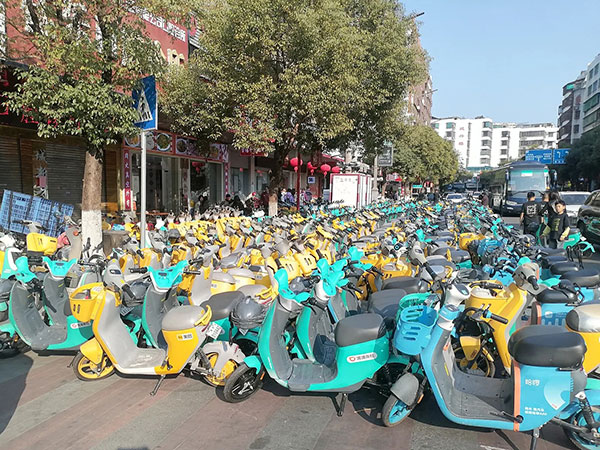
For short-distance urban travel, shared electric scooters are extremely popular among young travelers. Charged at 2 RMB per 15 minutes, they are flexible and affordable, suitable for traveling between peripheral scenic spots such as West Lake, Taifo Temple and Fenghuang Tower. It is crucial to note the core traffic rule: all motor vehicles including shared scooters, private electric bikes and cars are strictly prohibited from entering the ancient city pedestrian zone. All non-pedestrian vehicles must be parked at designated parking spots on the periphery of the ancient city, and visitors can only explore the archway street and ancient city core on foot.
Traditional manual rickshaws are a featured tourist transportation in Chaozhou Ancient City. Priced at 5 to 15 RMB for short trips, they allow visitors to slowly appreciate the ancient city’s street style and Lingnan architectural features. It is recommended to confirm the price with drivers in advance to avoid overcharging. Online car-hailing (Didi) is also widely used in Chaozhou, with an English interface available, providing cashless, safe and transparent private travel services for international tourists.
For international and out-of-town tourists, choosing the most suitable arrival method according to your departure city, travel budget and group type is the core of planning a Chaozhou trip. Below are the most practical and prioritized arrival strategies for different travel scenarios.
High-speed Rail (Top Priority for Most Travelers)
Taking high-speed rail to Chaoshan Railway Station is the gold-standard arrival method for traveling to Chaozhou, applicable to almost all tourists departing from major Chinese cities. Upon arriving at Chaoshan Station, four mature transfer methods can take you directly to Chaozhou Ancient City. First, the tourist direct shuttle bus is the most recommended option for tourists. Priced at 15 RMB per person, it provides one-stop service to Paifang Street South, the core of the ancient city. Buses depart every hour and half hour from 8:00 to 19:00 daily, with few stops and fast travel speed, eliminating the trouble of route selection. The return route runs from Hanshan Normal University to Chaoshan Station, within walking distance of Guangji Bridge.
Second, regular public buses K1 and K2 are the best choice for budget travelers. With a segmented fare of 2 to 12 RMB, the K2 line offers the most affordable direct service to the ancient city for only 8 RMB. The whole journey takes about 60 minutes with dense stops and operates until 21:00, perfectly suitable for tourists arriving late. Third, online car-hailing and taxis are ideal for families and group travelers. A direct ride from the station to Paifang Street costs 55 to 70 RMB, taking only 30 minutes. Travelers are advised to take official online cars at the south exit pickup area and avoid unlicensed private drivers who charge inflated prices. Fourth, carpooling services provide cost-effective options for single travelers, with a per capita cost of only 20 to 30 RMB.
Air Arrival (For International & Long-Distance Travelers)
Overseas tourists and travelers departing from remote domestic cities are recommended to fly to Jieyang Chaoshan International Airport first. The official airport shuttle bus to downtown Chaozhou is the most reliable choice, with stable schedules and low prices. For travelers pursuing efficiency, direct online car-hailing is available. For a more cost-effective combination, you can take the airport shuttle bus to Chaoshan Railway Station first, then transfer to the ancient city tourist direct bus, balancing time and budget.
Regular Train & Highway Bus (For Short-Distance Neighboring Travel)
If you travel from Shantou, Jieyang and other surrounding Chaoshan cities, regular trains to downtown Chaozhou Railway Station or intercity long-distance buses are more convenient. After arriving at Chaozhou Railway Station, you can take a 2 RMB city bus or ride a shared bicycle to enter the ancient city in 10 minutes, with zero long-distance transfer trouble.
Chaozhou’s tourist attractions present a distinct layout of dense core and scattered periphery, so different travel methods apply to core ancient city sightseeing and peripheral scenic spot tours. Mastering the local travel rules will help you avoid detours and travel fatigue.
Walking (Best for Ancient City Core Sightseeing)
Walking is absolutely the optimal travel mode for exploring Chaozhou Ancient City. The core scenic areas including Kaiyuan Temple, Paifang Street, Guangji Tower, West Road Snack Street and West Lake Park are highly concentrated, with each attraction within a 5-minute walking distance. The ancient city’s slate roads are pedestrian-only zones with no motor vehicle interference, allowing you to leisurely wander through ancient archways, taste Chaoshan snacks, and experience the authentic ancient town customs. Wearing comfortable flat shoes is highly recommended for ancient city walking tours.
Shared & Rented Electric Scooters (Best for Peripheral Scenic Spots)
For visiting peripheral attractions such as Hanwen Public Shrine, Taifo Temple, Phoenix Tower and Guantang Beef Hot Pot Area, electric scooters are the most flexible travel tool. Tourists can rent local electric scooters for 30 to 60 RMB per day, with sufficient battery life to cover all urban and suburban scenic spots. It is important to strictly abide by the no-entry rule of the ancient city pedestrian zone: park your scooter at the outer designated parking lot before entering the ancient city on foot to avoid fines and vehicle power-off penalties.
Tourist Shuttle Buses & Rickshaws
Chaozhou’s dedicated tourist shuttle buses run inner-city loop routes, covering all core scenic spots. Priced at 5 RMB per single ride with flexible hail-and-ride service and long operating hours, they are perfect for seniors, children and travelers who want to avoid walking. Manual rickshaws are suitable for short-distance experience travel. Reasonable negotiation of fares in advance allows you to enjoy a slow and exquisite ancient city tour with unique Lingnan characteristics.
Tips for Efficient Urban Travel
Avoid traveling during morning and evening rush hours to prevent road congestion. For cross-Hanjiang travel, you can detour via Jinshan Bridge and Chaozhou Bridge to bypass the congested main river bridge. Short-distance travel in the urban area is priority for online car-hailing, with a starting fare of only 7 to 8 RMB, which is cost-effective and time-saving. All public transportation supports mobile payment, so there is no need to carry cash during travel.
Chaozhou’s transportation system is simple, orderly and tourist-oriented. The core travel logic is high-speed rail for arrival, walking for ancient city sightseeing, and electric scooters for peripheral exploration. By choosing targeted transportation methods according to your travel route and group needs, you can easily explore the cultural heritage and gourmet charm of this thousand-year-old ancient city without transportation troubles. Avoid unlicensed black cars and unregulated private transfers, abide by ancient city traffic control rules, and your Chaozhou journey will be smooth, comfortable and unforgettable.

 English