Your China & Yunnan Travel Experts


 Ask a Question
Chaozhou, located in eastern Guangdong Province, is one of China's most historic and culturally rich cities. As the cultural heart of the Chaoshan region, Chaozhou boasts a history of more than 1,600 years and is renowned for its ancient architecture, traditional crafts, tea culture, folk customs, and distinctive cuisine.
Unlike many popular tourist cities in China, Chaozhou has managed to preserve much of its historical charm and local character. Visitors can stroll through centuries-old streets, admire ancient bridges and temples, explore traditional villages, and experience authentic Chaoshan culture that remains vibrant today. If you are planning a trip to Chaozhou, here are the best places to visit for a memorable cultural journey.
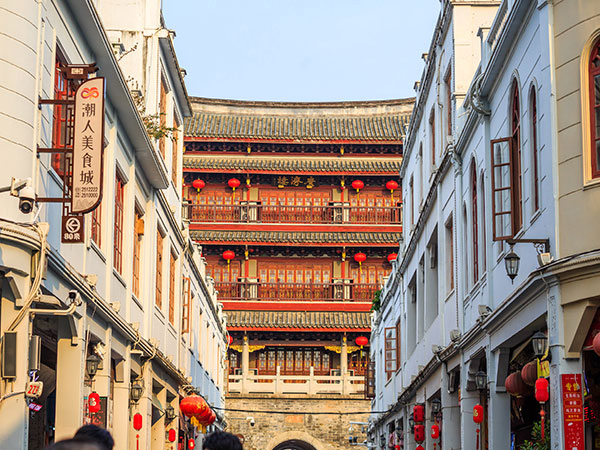
No visit to Chaozhou is complete without exploring Chaozhou Ancient City. Surrounded by ancient city walls and filled with historic streets, temples, and traditional residences, it offers the best introduction to the city's rich heritage. The ancient city has been an important cultural and commercial center since the Tang and Song Dynasties. Today, visitors can wander through stone-paved lanes, admire traditional architecture, and discover local shops selling handicrafts and snacks.
Highlights
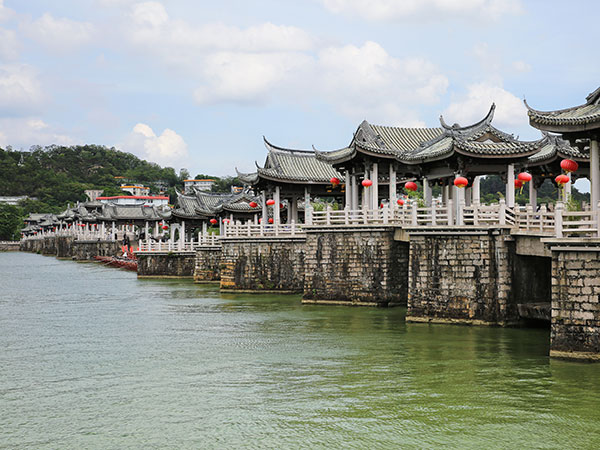
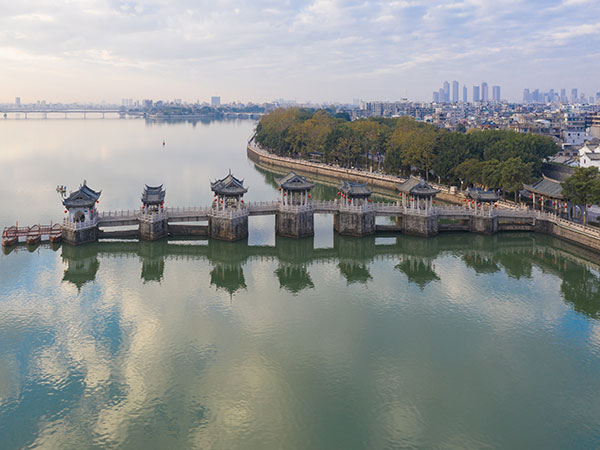
Guangji Bridge is the most iconic landmark in Chaozhou and one of the four ancient bridges of China. Originally constructed during the Southern Song Dynasty, the bridge combines stone piers with a unique floating section formed by boats. This innovative design made it one of the engineering wonders of ancient China. Walking across the bridge provides excellent views of the Han River and the ancient city skyline.
Highlights
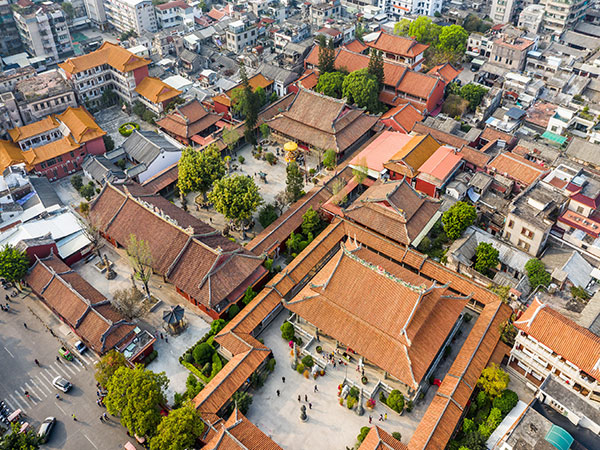
Founded in 738 during the Tang Dynasty, Kaiyuan Temple is one of the most important Buddhist temples in southern China. The temple complex covers a large area and contains magnificent halls, ancient stone inscriptions, Buddhist sculptures, and centuries-old trees. Despite its historical significance, it remains an active place of worship. Visitors can appreciate both the spiritual atmosphere and the architectural beauty of traditional Chinese temple design.
Highlights
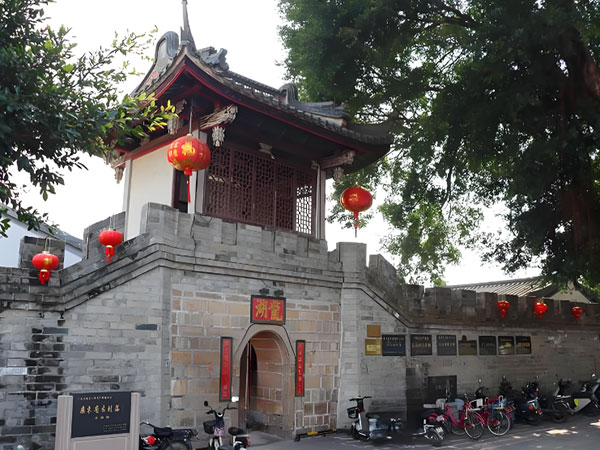
Located about 20 kilometers from downtown Chaozhou, Longhu Ancient Village is one of the best-preserved traditional villages in Guangdong. Established during the Song Dynasty, the village flourished during the Ming and Qing periods as an important trading center. Today, visitors can still see elegant mansions, ancestral halls, temples, and ancient streets that reflect centuries of Chaoshan culture. Compared with more famous ancient towns in China, Longhu remains relatively peaceful and authentic.
Highlights
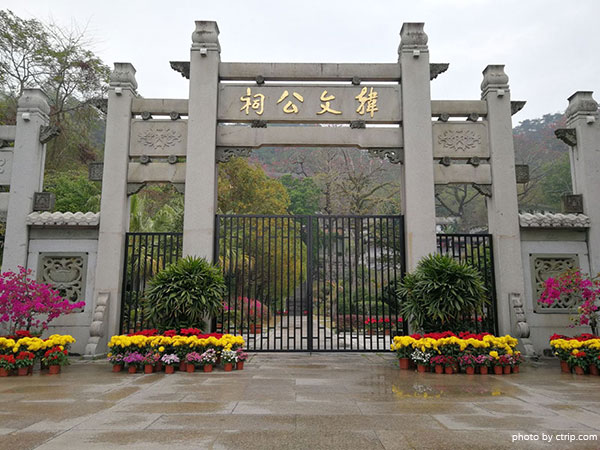
Han Wengong Temple was built to commemorate Han Yu, one of China's greatest literary figures and an influential official during the Tang Dynasty. Han Yu played an important role in the development of Chaozhou and is highly respected by local residents. The temple overlooks the Han River and offers both historical insights and beautiful views. Visitors interested in Chinese history and literature should not miss this important cultural site.
Highlights
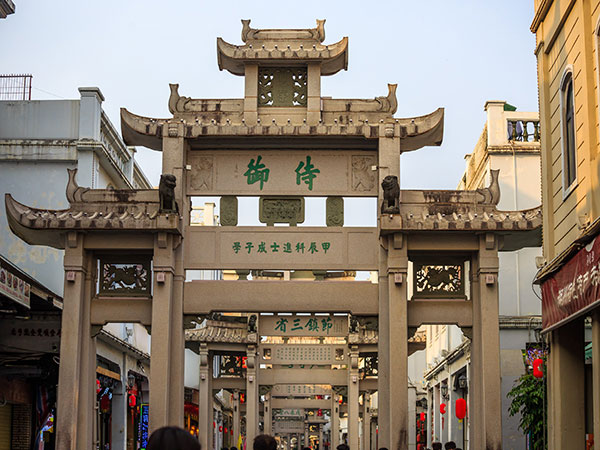
Located in the center of the ancient city, Archway Street is one of Chaozhou's most vibrant cultural and commercial areas. The street is lined with beautifully restored traditional buildings and numerous stone archways that commemorate historical achievements and virtuous individuals. Today, visitors can browse souvenir shops, sample local snacks, and admire the city's architectural heritage.
Highlights
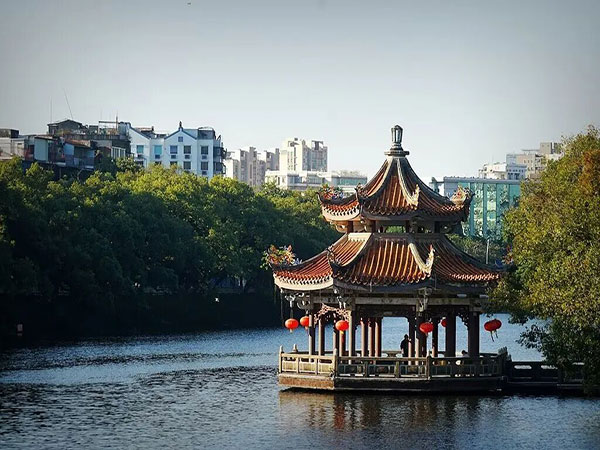
Although less famous than Hangzhou's West Lake, Chaozhou West Lake offers a pleasant escape from the busy streets of the ancient city. The lake is surrounded by pavilions, gardens, bridges, and historic sites. It has long been celebrated by local scholars and artists for its natural beauty. Visitors can enjoy leisurely walks, boating, and scenic photography throughout the year.
Highlights
Located north of Chaozhou, Phoenix Mountain is renowned as the birthplace of Phoenix Dancong Tea, one of China's most famous oolong teas. The mountain region features tea plantations, scenic valleys, waterfalls, and traditional tea-growing villages. Visitors can learn about tea production, taste freshly brewed tea, and enjoy panoramic mountain landscapes. This destination is especially attractive for nature lovers and tea enthusiasts.
Highlights
Xu Fuma Mansion is one of the oldest and best-preserved aristocratic residences in southern China. Built during the Song Dynasty, it was the residence of Xu Jue, who married a royal princess. The complex showcases traditional architectural styles and provides valuable insights into elite life during ancient times.
Highlights
Day 1: Explore Chaozhou's Historic Core
Morning: Chaozhou Ancient City, Kaiyuan Temple
Lunch: Enjoy local Chaoshan cuisine
Afternoon: Archway Street, Xu Fuma Mansion, Han Wengong Temple
Evening: Guangji Bridge night view
Day 2: Discover Traditional Culture and Nature
Morning: Longhu Ancient Village
Lunch:Traditional village-style Chaoshan dishes
Afternoon: Phoenix Mountain tea plantations
Evening: Chaozhou West Lake
Best Time to Visit Chaozhou
The best times to visit Chaozhou are spring (March–May) and autumn (September–November).
During these seasons:
Spring offers blooming flowers and fresh greenery, while autumn provides clear skies and ideal weather for outdoor exploration.

 English